Three Channels Was Enough — How Scarcity Built the Last Shared Culture in America

On the evening of February 9, 1964, an estimated 73 million Americans watched The Beatles perform on The Ed Sullivan Show. Not 73 million who happened to be interested in British pop music. Not 73 million who had been served a personalized recommendation by an algorithm that knew their listening history. Seventy-three million people who sat down in front of their television sets on a Sunday night because that's what was on, and that's what you did.
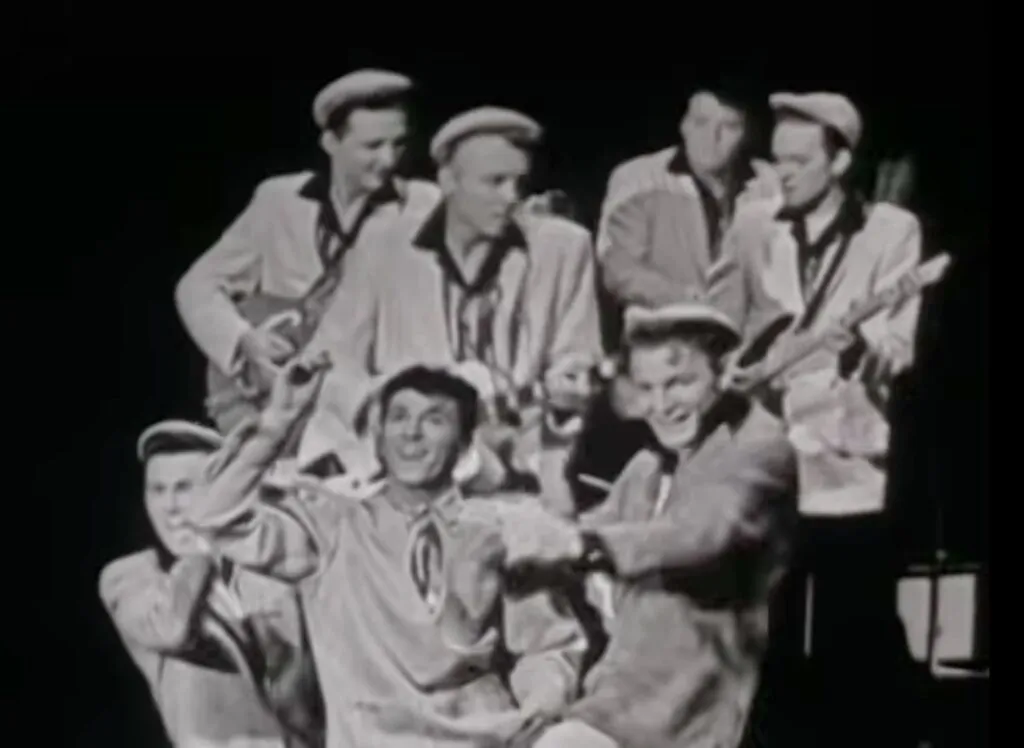 Photo: The Ed Sullivan Show, via oldiesmusic.funnyluffy.com
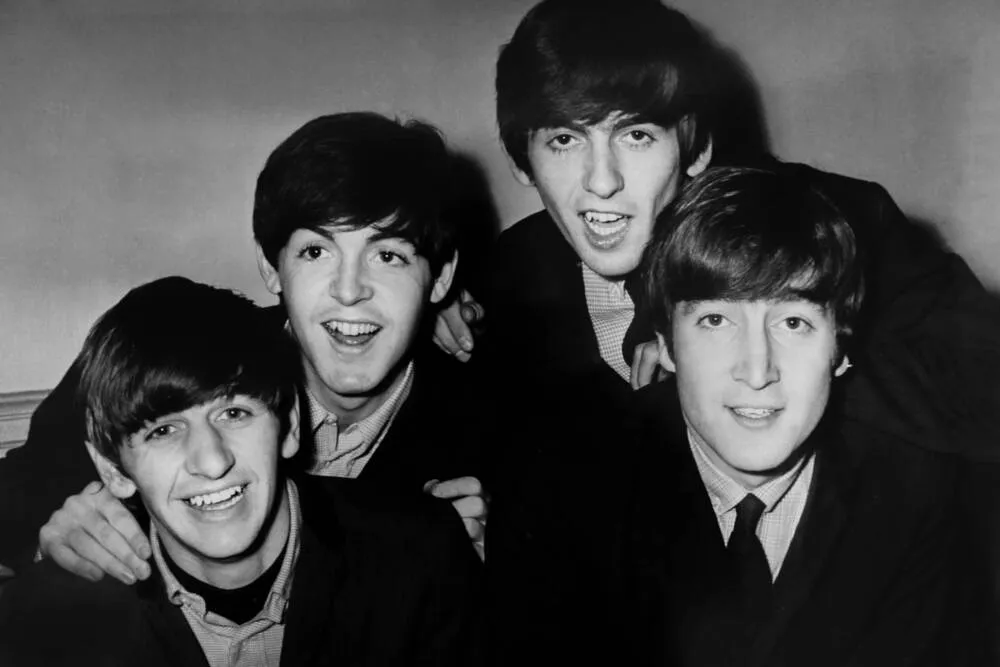 Photo: The Beatles, via cdn.artphotolimited.com
It's a number that is now essentially impossible to replicate. The most-watched television broadcast of 2023 — Super Bowl LVII — drew around 113 million viewers, but that was a live sporting event with genuine stakes. A regular primetime entertainment program hasn't come close to those Beatles numbers in decades. The reason has very little to do with the quality of today's programming and almost everything to do with what we lost when we gained infinite choice.
The Architecture of Appointment Television
To understand what three-channel television actually meant, you have to understand the schedule. From the late 1950s through the early 1980s, the major broadcast networks — ABC, CBS, and NBC — divided the evening hours into programming blocks that were as predictable as a train timetable. Tuesday at 8 p.m. meant one thing. Thursday at 9 p.m. meant another. Friday night had its own personality. Sunday was different from every other night of the week.
Because there were no alternatives — no cable, no VCR in most homes until the mid-1980s, certainly no streaming — the schedule was the deal. If you wanted to watch television on a Wednesday evening, you watched what Wednesday evening offered. If you wanted to see a particular program, you were present at the appointed time or you missed it, potentially forever. There was no catch-up, no pause, no rewind. The broadcast was a live transaction between the network and the audience, and it happened once.
This constraint produced something remarkable: genuine appointment culture. Families arranged their evenings around the television schedule the way earlier generations had arranged them around church or community events. Dinner was timed to be finished before the 8 o'clock program. Visits from friends were scheduled around shows everyone watched. Missing an episode of a popular series was a legitimate social disadvantage — you'd be lost in Monday morning conversations that assumed everyone had seen what happened.
When Television Created a Common Language
The cultural effect of this shared scarcity is difficult to overstate. When 40 or 50 million households are watching the same program on the same night, the program becomes a genuine cultural event — a reference point that transcends age, geography, income, and education in ways that almost nothing else in American life manages.
Consider what that meant in practice. A factory worker in Detroit, a teacher in rural Georgia, a businessman in Manhattan, and a rancher in Wyoming all watched the same episode of All in the Family on Saturday night. They might have responded to it differently — laughed at different moments, been offended by different lines, identified with different characters. But they had all seen it. They shared the raw material for a conversation, even if they would never meet.
This was true across decades and across genres. The finale of M*A*S*H in 1983 drew 106 million viewers — still the most-watched scripted television broadcast in American history. The wedding of Luke and Laura on General Hospital in 1981 was watched by 30 million people in the middle of a weekday afternoon. The Dallas cliffhanger asking "Who Shot J.R.?" consumed an entire summer of national conversation in 1980. These weren't just popular programs. They were shared national experiences, the kind that gave Americans a common cultural vocabulary regardless of their differences.
The Unexpected Gift of Limited Options
There's a counterintuitive truth buried in the history of three-channel television: limitation produced quality, or at least it produced significance. When a network had only a few hours of primetime programming to fill and a national audience with nowhere else to go, the stakes for getting it right were enormous. A program that failed didn't just lose viewers to a competing streaming service — it lost them to one of two other channels, which meant the failure was visible, immediate, and consequential.
This pressure generated some of the most ambitious, risk-taking programming in broadcast history. The 1970s in particular — the decade when the three-network system was at its most powerful — produced a remarkable run of socially engaged, formally inventive television. Norman Lear's politically charged sitcoms. The groundbreaking naturalism of shows like The Mary Tyler Moore Show. News programming that was genuinely trusted and watched by huge portions of the population. The scarcity of the medium concentrated creative ambition in ways that abundance has diluted.
It also created stars of a different magnitude. When Johnny Carson hosted The Tonight Show for thirty years, he wasn't one of thousands of late-night options. He was the option, for most of America. The familiarity that audiences developed with Carson, with Walter Cronkite, with the cast of Cheers, was built through years of habitual, repeated, scheduled viewing — a relationship that today's fragmented landscape makes structurally impossible.
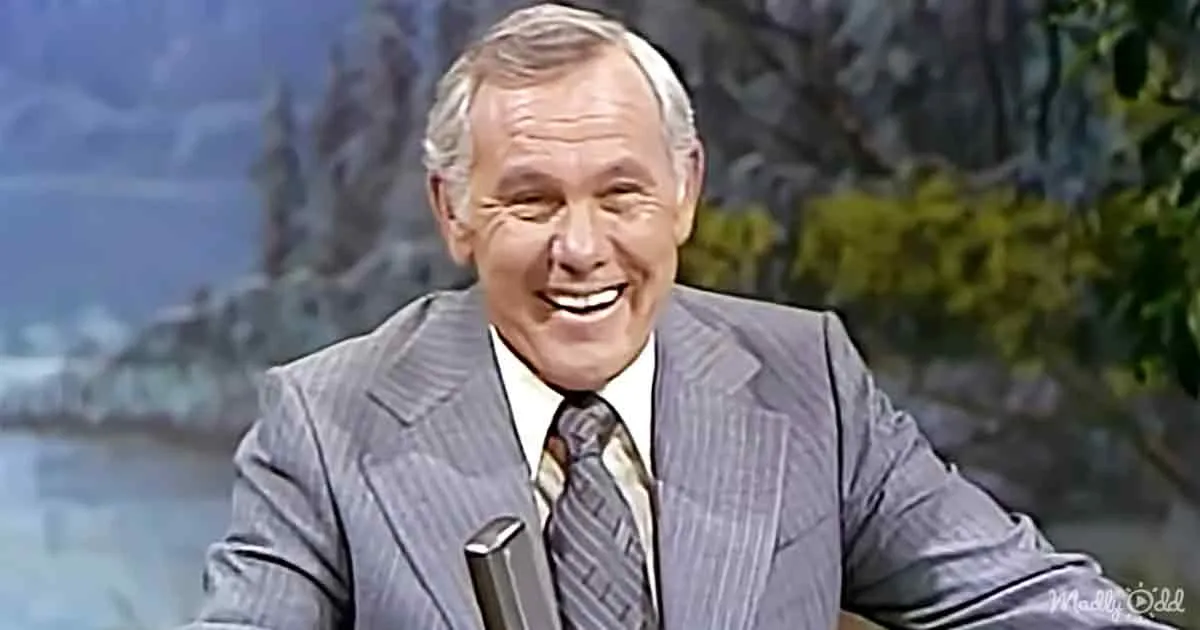 Photo: Johnny Carson, via madlyodd.com
What the Algorithm Took Away
Streaming services arrived with a promise that seemed obviously good: more of what you want, less of what you don't, available whenever you choose. That promise has been delivered, more or less. The content libraries of Netflix, HBO Max, Hulu, and their competitors contain more hours of programming than any human being could watch in several lifetimes. The personalization is real. You will almost certainly find something you enjoy.
What you won't find is anyone else watching it at the same time. The same algorithm that serves you content based on your preferences is serving your neighbor, your coworker, and your family members something completely different. The shared reference point — the thing that let strangers bond over last night's episode, that gave water cooler conversations their subject matter, that made television a communal rather than an individual experience — has been engineered away in the name of personalization.
Surveys on social connection consistently find that Americans feel they have less in common with their neighbors than previous generations did. The causes are complex and multiple. But the disappearance of shared cultural experiences — the kind that three-channel television produced almost accidentally, simply by offering everyone the same limited menu — is part of that story.
The Paradox at the Heart of Infinite Choice
We didn't lose shared television culture because the programs got worse. We lost it because we got everything we asked for. More choice, more control, more personalization, more convenience. All of it delivered, all of it real, all of it sitting in a library that grows faster than any viewer can consume it.
And yet something was quietly traded away. The Tuesday night ritual. The shared cliffhanger. The Monday morning conversation where everyone had seen the same thing and had something to say about it. The accidental community that scarcity built, simply by giving everyone the same three options and letting them choose together.
Three channels was never really about the channels. It was about the 73 million people watching the same thing at the same moment, in living rooms across a country that felt, just then, like it was sharing something.