Noon Was Sacred — The Tin Box That Turned a Lunch Break Into a Ceremony
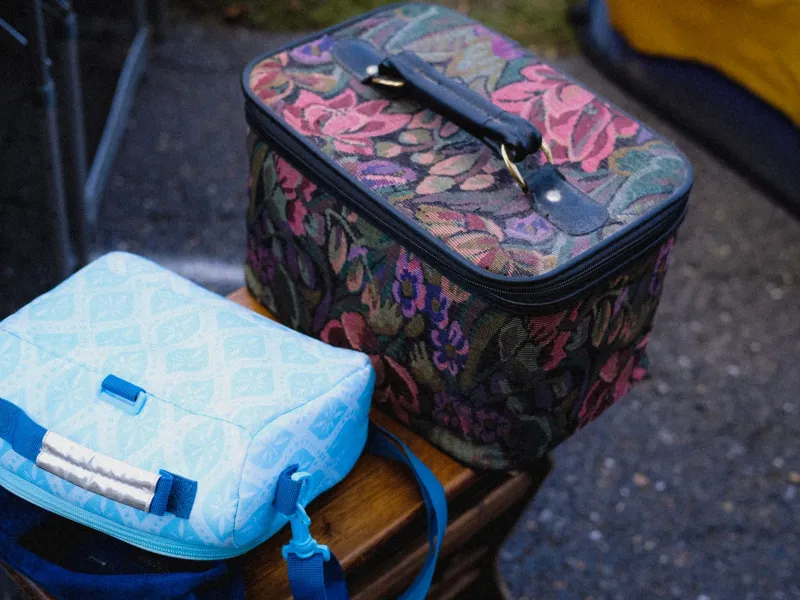
Long before meal prep became a weekend wellness ritual, American workers were doing something similar every single morning. A wife packed a husband's lunch before he left for the plant. A mother filled a child's box before the school bus came. A man packed his own before a long shift at a construction site. The contents were simple — a sandwich, maybe some fruit, a slice of pie wrapped in wax paper — but the act carried a weight that a DoorDash order has never come close to matching.
The metal lunch pail was one of the defining objects of American working-class life for the better part of a century. And the story of how it disappeared tells you almost everything you need to know about what happened to the American workday.
The Original Meal Prep
The lunch pail in various forms dates back to the mid-1800s, when factory workers and miners needed a practical way to carry food to job sites that had no canteens, no cafeterias, and no nearby restaurants. Early versions were repurposed tin tobacco pails or simple covered buckets. By the early twentieth century, purpose-built lunch boxes with fitted lids and interior trays had become standard equipment in households across the industrial Midwest and South.
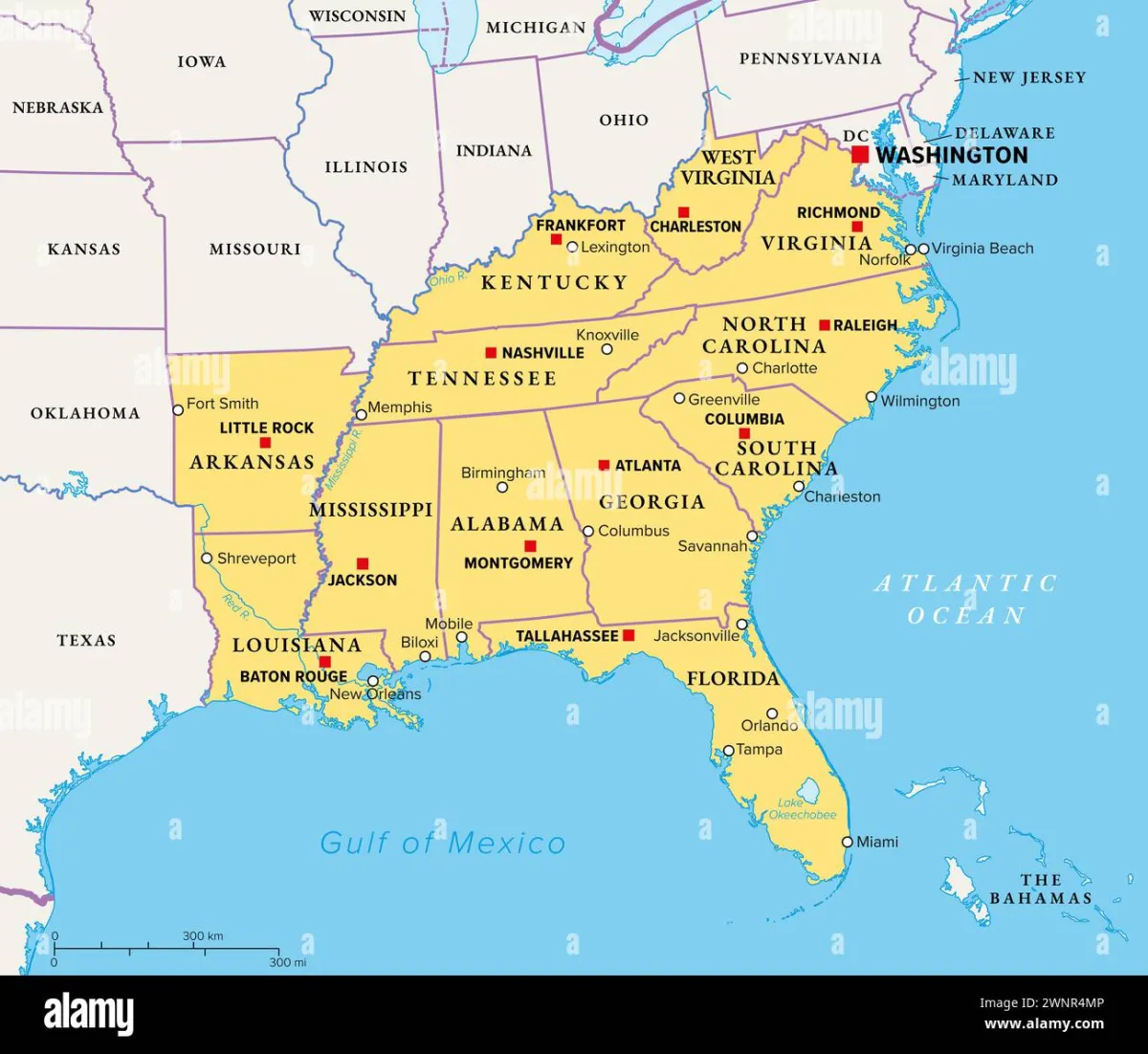 Photo: American South, via c8.alamy.com
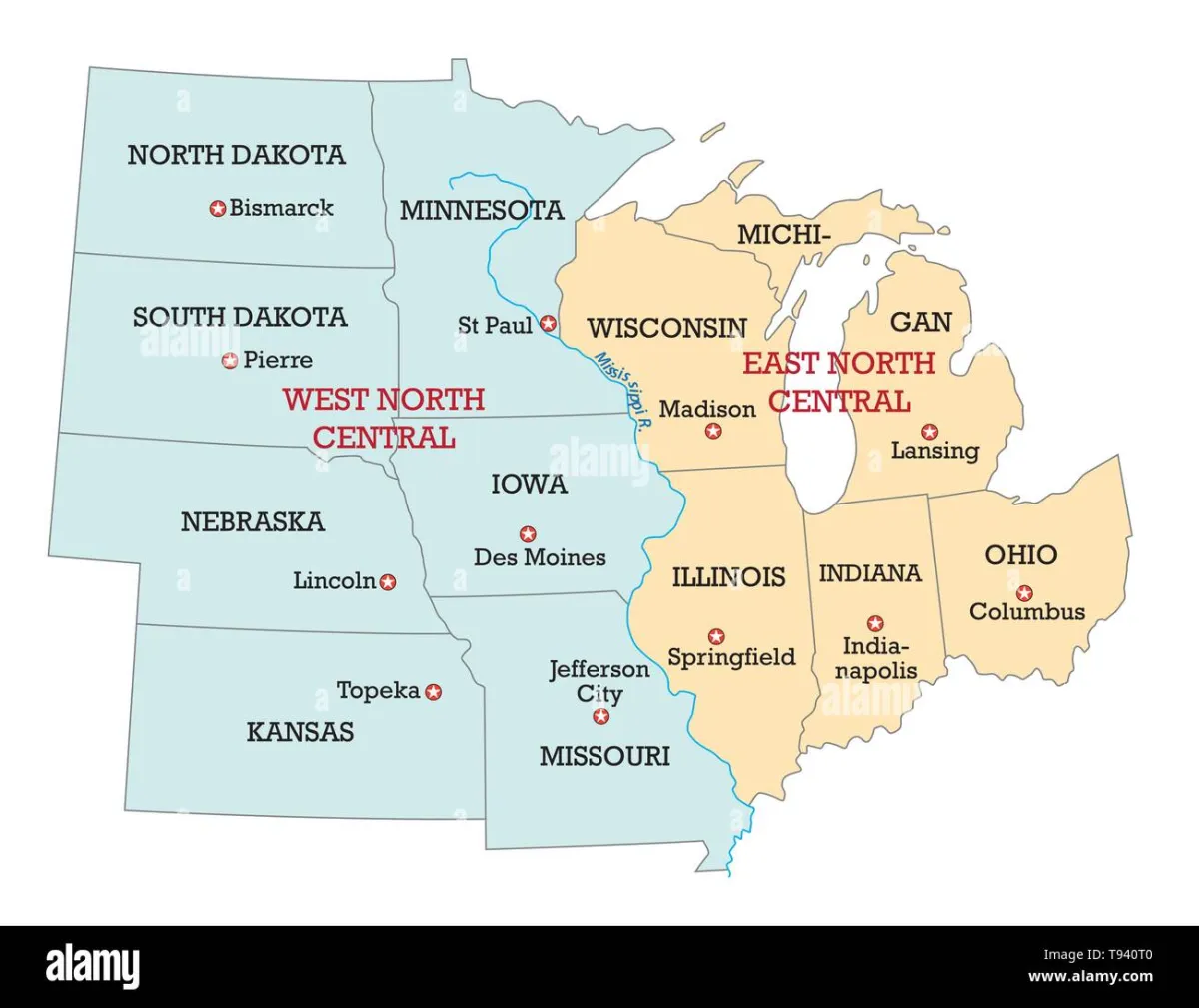 Photo: American Midwest, via c8.alamy.com
For factory workers, coal miners, steelworkers, and construction crews, the lunch box was as essential as a work boot. It went everywhere the worker went. It sat on the locker shelf, on the factory floor beside a machine, on the beam of a half-built building. At noon, when the whistle blew or the foreman called time, men would sit down wherever they were and open those boxes with a familiarity that spoke of home.
What was inside mattered. Sandwiches were most common — meat if the family could afford it, egg salad or peanut butter if they couldn't. Thermoses of coffee were standard. Cookies, apples, pickles, hard-boiled eggs, leftover cornbread. The contents varied by region, by season, by what was in the icebox, and by the particular preferences of whoever was doing the packing. But the ritual of opening that box and finding something made specifically for you, by someone who knew you, was a consistent feature of the American working noon.
What the Box Actually Represented
Here's what tends to get overlooked when people discuss the history of the American lunch: the packed lunch wasn't just about nutrition or economy, though it was both of those things. It was a daily act of connection between the domestic world and the working one.
The lunch box was, in a very literal sense, a piece of home that traveled to work. The person who packed it knew the person who carried it — knew they liked mustard but not mayo, knew they'd been fighting a cold and needed something warm, knew that Tuesday was payday and they could afford a little extra. That knowledge, expressed in the contents of a tin box, was a form of care that required no words and asked for no acknowledgment.
For children, the school lunch box served a parallel function. By the 1950s and 1960s, decorated metal lunch boxes featuring cowboys, cartoon characters, and TV heroes had become some of the most coveted objects in American elementary schools. What you carried said something about who you were. Opening your box at the cafeteria table was a small daily revelation — and finding a note from your mother tucked beside your sandwich was, for many kids, the best part of the school day.
The Noon Break as a Hard Boundary
The packed lunch also enforced something that has become nearly extinct in modern working life: a genuine, complete break from work.
When your lunch was in a box on the shelf, you weren't going anywhere at noon. You weren't running an errand, scrolling through your phone, or eating a sad bowl of leftover pasta at your keyboard while answering emails. You sat down with your coworkers, opened your box, and ate. The conversation was social. The break was real. The boundary between the working hour and the lunch hour was enforced by the simple fact that the food was already there, it was already yours, and there was nothing to do but eat it.
This wasn't incidental. Labor movements in the early twentieth century fought hard for the lunch break as a protected period of rest, and the packed lunch was the practical expression of that protection. It was a daily assertion that workers were human beings with domestic lives and bodily needs, not machines to be fueled and returned to service as quickly as possible.
How We Got to the Sad Desk Lunch
The decline of the packed lunch happened gradually, across several decades, for reasons that felt like progress at the time. Rising incomes made buying lunch feasible for more workers. Corporate cafeterias offered hot meals and a social setting. Fast food chains multiplied and made a quick burger cheaper than the time it took to pack a box. Working women, managing both careers and households, found one less morning task genuinely appealing.
And then the smartphone arrived, and the lunch break began disappearing altogether. A 2019 survey by the staffing firm Tork found that only one in five American workers takes a proper lunch break away from their desk. The rest eat while working, or skip the meal entirely, or consume something grabbed in transit and consumed without ceremony or company.
Delivery apps completed the transformation. You can now summon food from dozens of restaurants without leaving your chair, and yet the experience of eating that food — alone, at a desk, between tasks — is among the most joyless versions of a meal that modern life has produced.
Something Worth Carrying Forward
The tin lunch box is largely a nostalgic object now — sold at antique fairs, displayed on kitchen shelves, occasionally revived as a retro-cool accessory. The practice it represented, though, deserves more than nostalgia.
There was genuine wisdom in the packed lunch: the wisdom of preparation, of knowing what you needed before you needed it, of carrying a small piece of your real life into the working world. The wisdom of stopping at noon, actually stopping, and letting a meal be a meal.
The lunch box didn't just feed people. It reminded them, once a day, that they had lives worth coming home to. That's a reminder that no delivery app has figured out how to include.