Every Tuesday Night the Whole Block Showed Up — The Bowling League America Left Behind
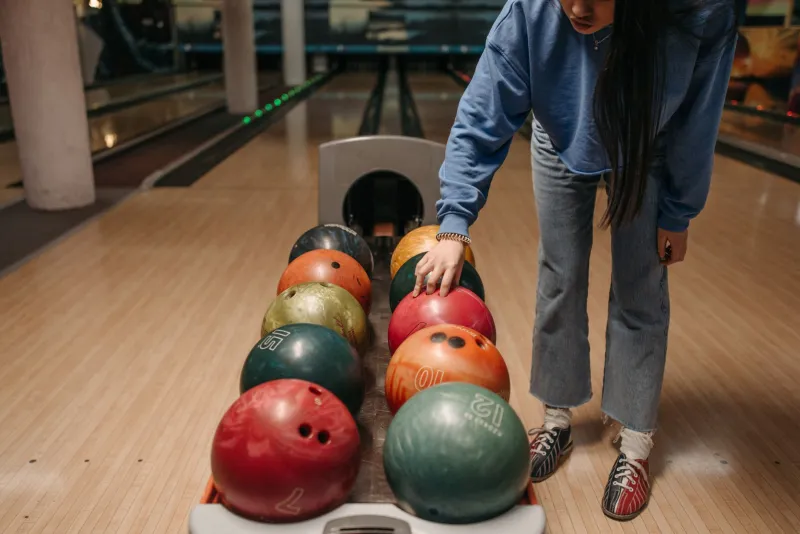
There was a moment, sometime around 1960, when bowling was the most popular participatory sport in America. Not baseball. Not golf. Bowling. On any given weeknight in cities from Pittsburgh to Fresno, factory workers, office clerks, teachers, and housewives laced up rented shoes, grabbed a house ball, and took their place in a league that had been running longer than some marriages.
The bowling alley wasn't just a place to play. It was a standing appointment with your community.
The Night That Belonged to the League
If you grew up in an American household in the 1950s or '60s, there's a good chance one of your parents had a league night. It was written into the family calendar the way church was — non-negotiable, ritualistic, and strangely sacred. Dad bowled Tuesdays. Mom had Thursdays with the women from the neighborhood. The kids sometimes came along and sat in the plastic chairs eating french fries from the snack counter while the adults kept score on paper sheets attached to little clipboards.
And the scoring was an event in itself. Before automatic systems took over, every frame was recorded by hand — sometimes by a designated scorekeeper who actually understood the math, sometimes by someone who was mostly guessing and hoping nobody checked. Strikes got an X. Spares got a slash. A perfect game of 300 was the kind of achievement that got talked about for years. The paper scorecard was physical proof that something real had happened.
At its peak in the late 1950s, the American Bowling Congress had more than four million members. Add in women's leagues and youth programs, and the total number of organized league bowlers was somewhere north of eight million. That's not people who bowled occasionally — that's people who showed up every week, paid dues, tracked standings, and cared deeply about where their team sat in the rankings.
The Alley as Third Place
Sociologists talk about the concept of the "third place" — the space that isn't home and isn't work but is where community actually gets built. For a huge swath of mid-century America, the bowling alley was exactly that.
The lanes were loud and smoky and not particularly glamorous. The carpet was aggressively patterned. The beer was cold and cheap. And none of that mattered, because the point wasn't the ambiance — it was the people. Your lane neighbors became your friends. The team from the hardware store competed against the team from the auto plant. Rivalries developed over seasons. Trophies were real and displayed with genuine pride.
For working-class Americans in particular, the bowling league offered something that country clubs and golf courses didn't: belonging without a dress code or a membership fee that required a second mortgage. You paid a few bucks a week, you showed up, and you were part of something.
Pin boys — young men who manually reset the pins before automatic pinsetters arrived in the late 1950s — were a fixture of the earlier era. They worked fast, ducked flying pins, and were paid per game. The automation of pin-setting was one of the first quiet signals that the industrial logic of the alley was changing, even if nobody recognized it at the time.
What Happened to the Leagues
The decline was gradual, then sudden. By the 1980s, league membership had started to slip. By the 1990s, the drop was undeniable. Sociologist Robert Putnam famously used bowling as a metaphor in his landmark 2000 book Bowling Alone, pointing out that while more Americans were bowling than ever, they were doing it without joining leagues. The activity survived. The community around it didn't.
 Photo: Robert Putnam, via facts.net
The reasons are layered. Suburban sprawl pulled neighborhoods apart. Television kept people home. Women entering the workforce in larger numbers meant fewer afternoon leagues. The rise of other leisure options — video games, home entertainment systems, youth travel sports — fragmented the attention that had once flowed naturally toward the local alley.
Many of the alleys themselves closed. The ones that survived often reinvented themselves as entertainment venues — cosmic bowling with black lights and pop music, upscale bowling bars with craft cocktails and gourmet sliders, party-booking venues for corporate team-building events. The experience became a novelty rather than a routine. Something you did for a birthday, not something you did every week because it was Tuesday.
The Score We Can't Get Back
There's something quietly poignant about comparing a handwritten scorecard from a 1962 Tuesday night league with the digital display that tracks your frames automatically today. Both record the same game. But one of them required a person to pay attention, to understand the math, to be present in a way that the other simply doesn't.
The modern bowling experience is slicker, louder, and more visually spectacular. It's also considerably lonelier. You're not part of a standings board. Nobody knows your average. The team in the next lane isn't your rival — they're strangers you'll never see again.
What mid-century bowling culture understood, almost by accident, was that regular shared activity is the foundation of community. It didn't need to be profound. It just needed to happen every week, in the same place, with the same people. The sport was almost beside the point.
America still has bowling alleys. What it mostly doesn't have anymore is the reason people used to go.