The Recipe on the Back of the Can — How a Soup Label Quietly Taught America to Cook
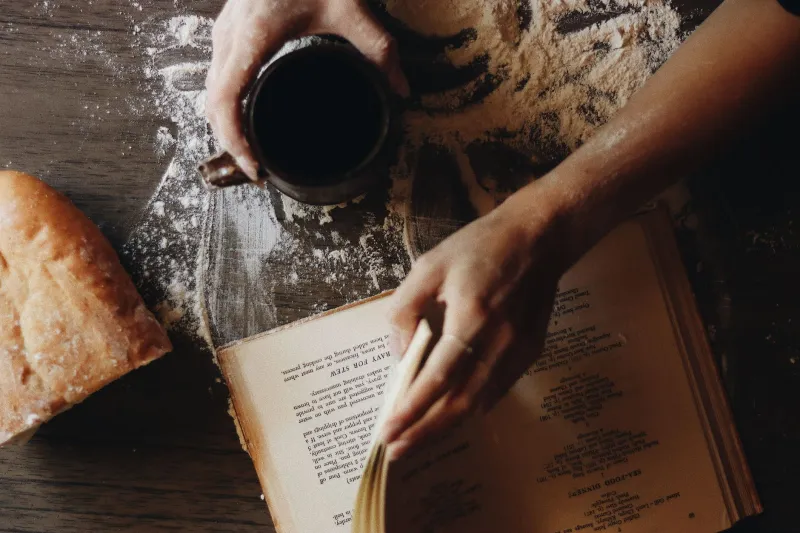
Somewhere in America right now, there is a woman in her seventies who still makes green bean casserole exactly the way it appears on the back of a can of Campbell's Cream of Mushroom Soup — because that's how her mother made it, and her grandmother before that. She has never looked up a variation online. She has never watched a video. The recipe lives in her hands.
That's what a printed recipe on a package could do. It didn't just sell product. It built a tradition.
The Original Food Content Creators
The practice of printing recipes on food packaging began in earnest in the late nineteenth century, as industrially processed foods started entering American homes for the first time. Companies like Jell-O, Karo, and Crisco figured out early that a consumer who didn't know what to do with a new product wasn't going to keep buying it. The recipe was, at its core, a sales tool — a way of demonstrating utility.
But something more interesting happened over time. The recipes got good. Food companies began hiring home economists — a profession that was, in the mid-twentieth century, a serious and well-respected field — to develop dishes that actually worked, that used accessible ingredients, and that could be reliably reproduced by a home cook with modest equipment and limited experience. The test kitchens at companies like General Mills, Campbell's, and Pillsbury weren't decoration. They were producing genuinely useful culinary content, decades before that phrase existed.
The results became embedded in American food culture in ways that are hard to fully account for today. The green bean casserole, invented by Campbell's home economist Dorcas Reilly in 1955, is now prepared in an estimated 20 million American homes every Thanksgiving. The Toll House chocolate chip cookie recipe, developed by Ruth Wakefield and printed on bags of Nestlé chocolate chips starting in 1939, remains one of the most-made cookie recipes in the country. These weren't just recipes. They were institutions.
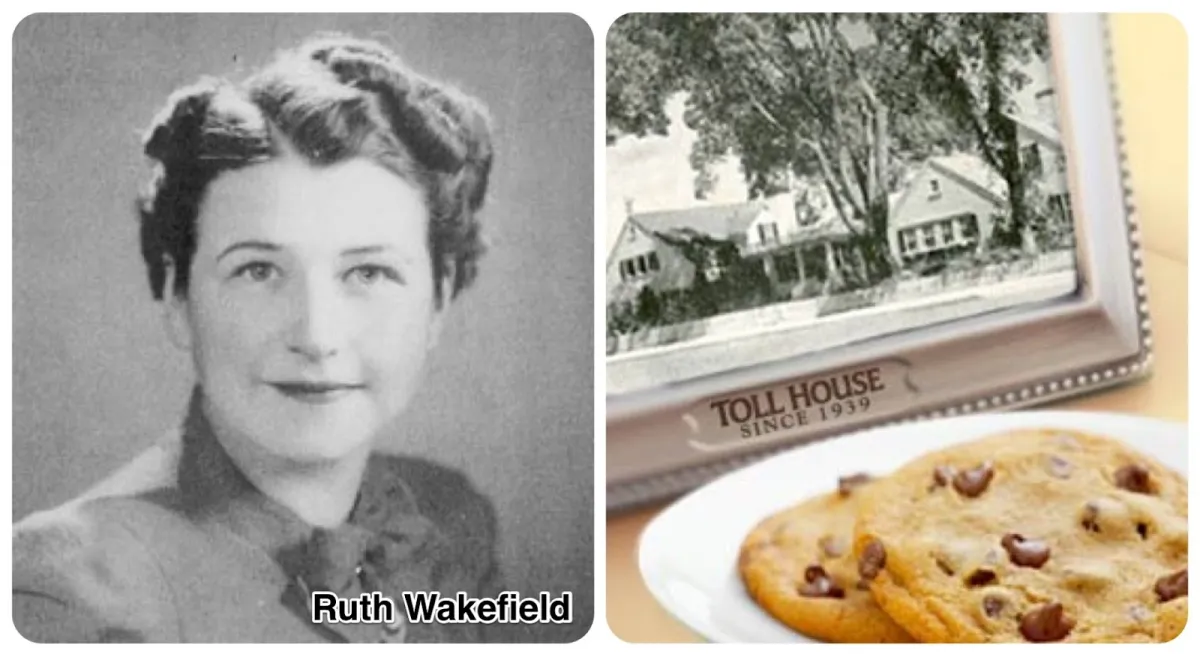 Photo: Ruth Wakefield, via 3.bp.blogspot.com
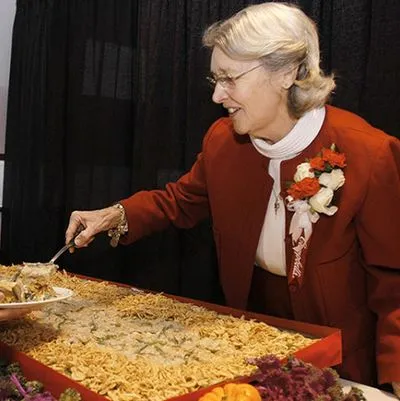 Photo: Dorcas Reilly, via pyxis.nymag.com
A Different Kind of Discovery
What made the back-of-box recipe culturally distinct from modern food content was the slowness of its adoption. You didn't encounter it because an algorithm decided you might like it. You encountered it because you were already holding the product — standing in your kitchen, about to cook dinner, reading the label while the water came to a boil.
That context mattered. The recipe arrived at the moment of maximum relevance, with all the necessary ingredients either already in your hand or already in your pantry. It wasn't aspirational content requiring a special trip to a specialty grocery store. It was practical instruction built around what you already had.
And because the recipe was printed on something physical — something that lived in your kitchen cabinet or pantry shelf — it had a kind of staying power that digital content simply doesn't. Families wrote notes in the margins. They clipped the recipes off boxes and tucked them into recipe cards. They copied them into notebooks by hand. A recipe that arrived on a package in 1962 could still be actively in use in that family in 1995, passed from mother to daughter without anyone thinking of it as anything other than just how you make that dish.
The Shared Culinary Language It Built
One underappreciated effect of the package recipe era was its role in creating a genuinely shared American food culture. When millions of households were all cooking from the same small set of recipes — the ones on the back of the Bisquick box, the ones in the Jell-O pamphlet, the ones on the cream of mushroom can — they were, without quite realizing it, developing a common culinary vocabulary.
A potluck dinner in Iowa in 1968 and a church supper in Georgia in the same year might feature remarkably similar dishes, not because anyone planned it that way, but because both communities had been cooking from the same sources. That shared reference point created a kind of comfort and legibility around food that crossed regional lines in ways that would have been impossible in earlier eras, when recipes traveled only through direct personal contact.
Food companies understood this, even if they didn't articulate it in those terms. The recipe on the package wasn't just telling you how to cook. It was telling you what American cooking looked like — and inviting you to be part of it.
How Trends Move Now
The contrast with today's food content landscape is stark. A recipe that goes viral on TikTok or Instagram can generate millions of views in 48 hours and be forgotten within a month. The feta pasta that consumed the internet in early 2021 was everywhere and then, almost as quickly, nowhere — replaced by the next thing, and the thing after that, in a cycle that has compressed the natural lifespan of a recipe from years to weeks.
This isn't entirely bad. The democratization of food content has given platform to cooks and cuisines that were largely invisible in the package-recipe era. The range of what American home cooks are attempting today — the global influences, the dietary variations, the technical ambition — is genuinely broader than anything a test kitchen in White Plains was producing in 1957.
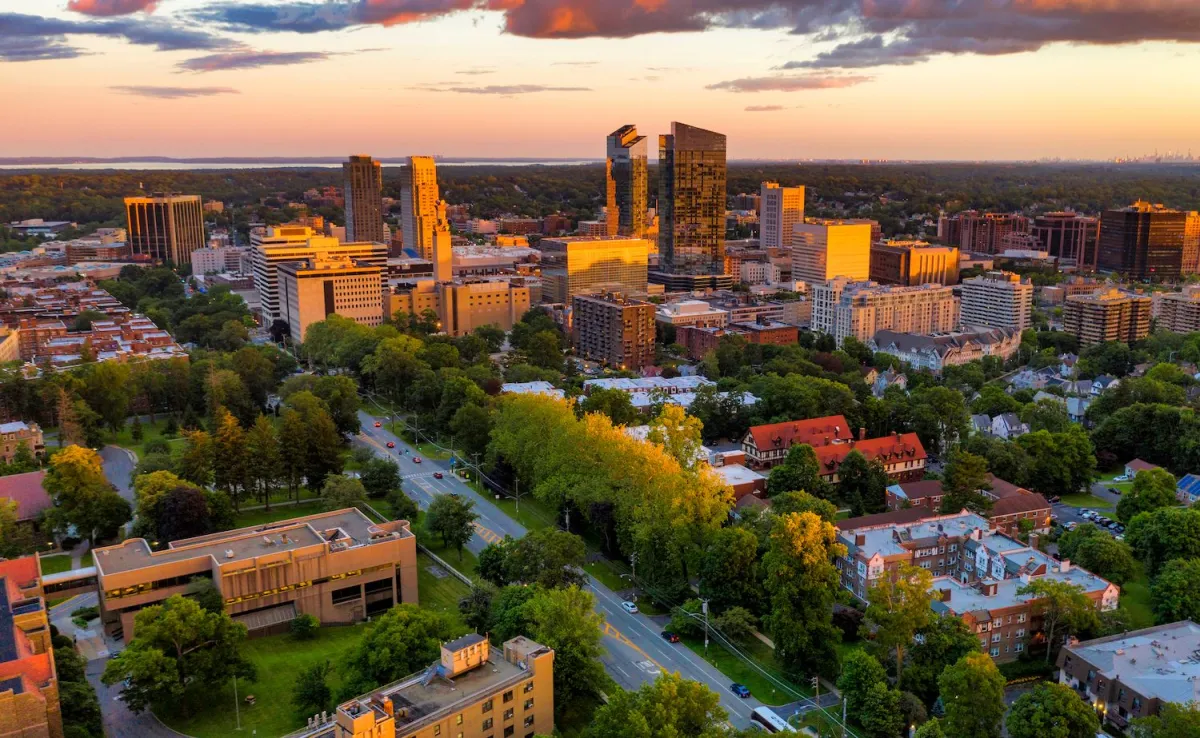 Photo: White Plains, via virtualhangar.io
But something has been lost in the velocity. The back-of-box recipe asked nothing of you except that you already owned the product. It didn't require a phone, an account, a subscription, or a reliable internet connection. It didn't disappear when a platform changed its algorithm or a creator stopped posting. It was just there, on the thing in your hand, in plain language, waiting for you to try it.
The Casserole That Outlasted Everything
The green bean casserole is still on the back of the Campbell's can. That single recipe, unchanged in its essentials for nearly seventy years, has outlasted every food trend of the past half century — the fondue craze, the nouvelle cuisine moment, the low-fat era, the Atkins years, the farm-to-table movement. It shows up every November like a reliable old friend, made the same way it was made in 1955, in kitchens that have otherwise been completely transformed.
That's not nostalgia. That's what it looks like when a recipe actually works — when it gets made often enough, by enough people, across enough generations, to become something larger than a dish. It becomes a marker of time and belonging, the kind of thing you make not because you found it online but because someone who loved you made it first.
No algorithm has figured out how to replicate that yet.