When Every Friday Night Belonged to Everyone — How America's Main Street Theaters Created Our First Shared Culture
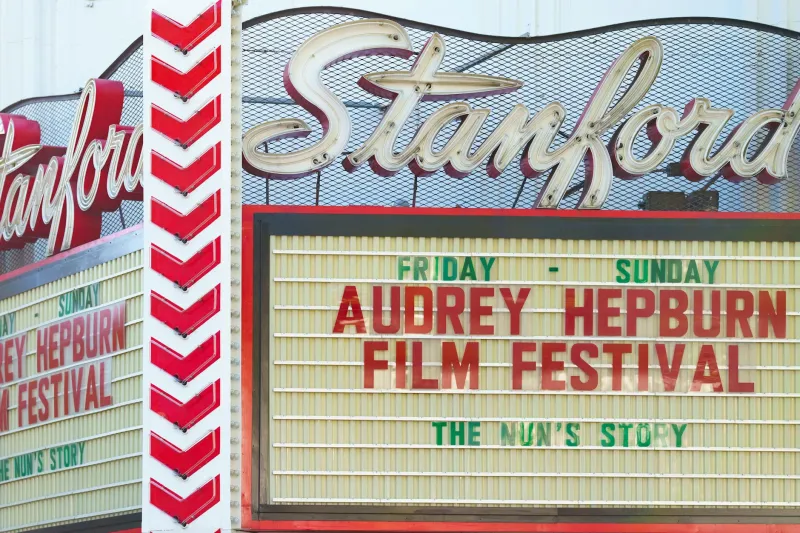
The Palace on Main Street
Walk through any American town built before 1960, and you'll likely find it: a grand old building with elaborate marquee letters, boarded windows, and a faded elegance that hints at former glory. This was once the beating heart of community life — the neighborhood movie palace where everyone went, and everyone belonged.
Before the age of sixteen-screen multiplexes and living room streaming, most American towns had exactly one movie theater. And that single screen shaped how an entire community spent their evenings, shared their dreams, and experienced the wider world together.
Saturday Night Was Democracy Night
The old neighborhood theater wasn't just about entertainment — it was about equality in the dark. When the lights dimmed at the Rialto or the Palace or the Strand, the banker's wife sat three seats away from the factory worker's daughter. Everyone paid the same quarter, everyone saw the same double feature, and everyone emerged two hours later having shared the exact same emotional experience.
These weren't the sterile, corporate movie experiences we know today. Theaters had personality. The Granada in Chicago featured a ceiling painted like a starry night sky. The Fox in Detroit had live organ music before every show. The Paramount in Oakland seated 3,000 people under a ceiling designed to look like an outdoor garden party.
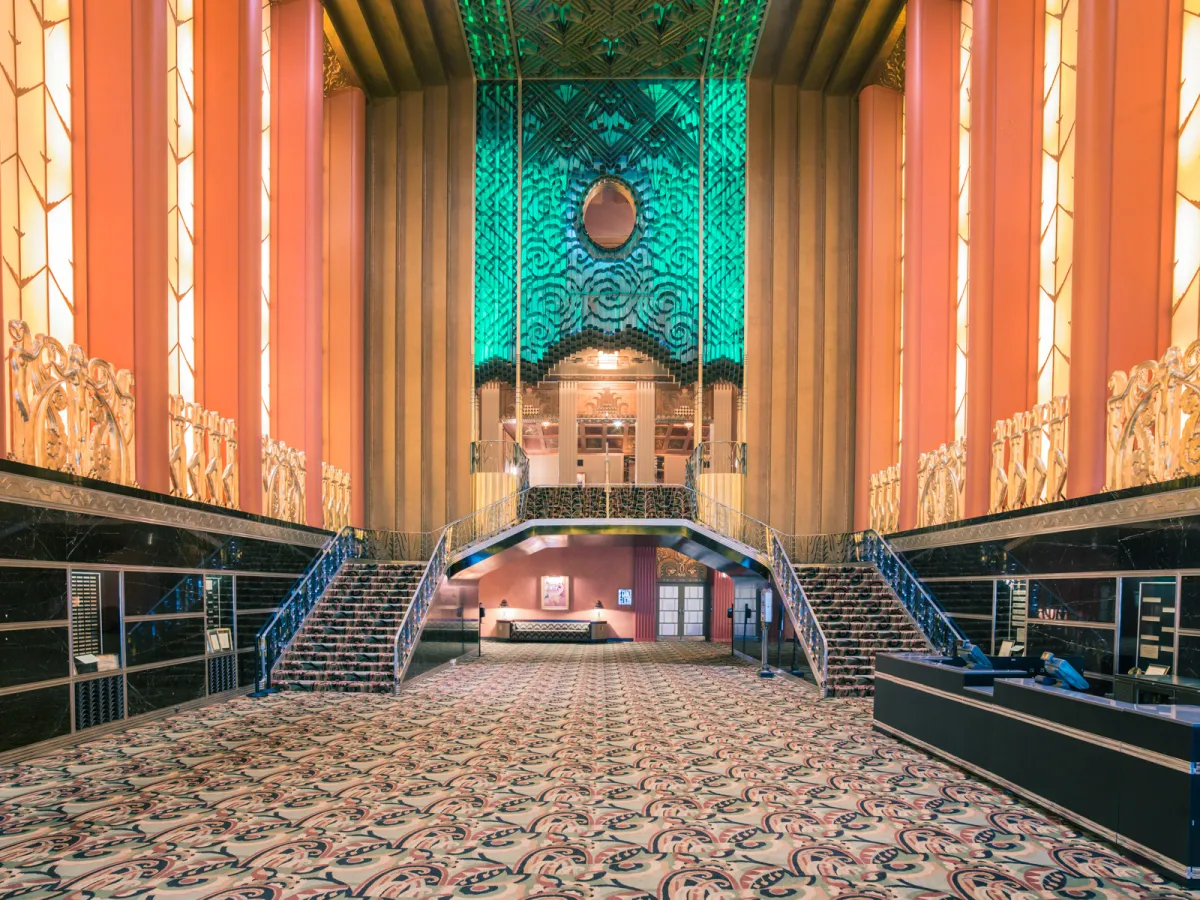 Photo: The Paramount in Oakland, via mir-s3-cdn-cf.behance.net
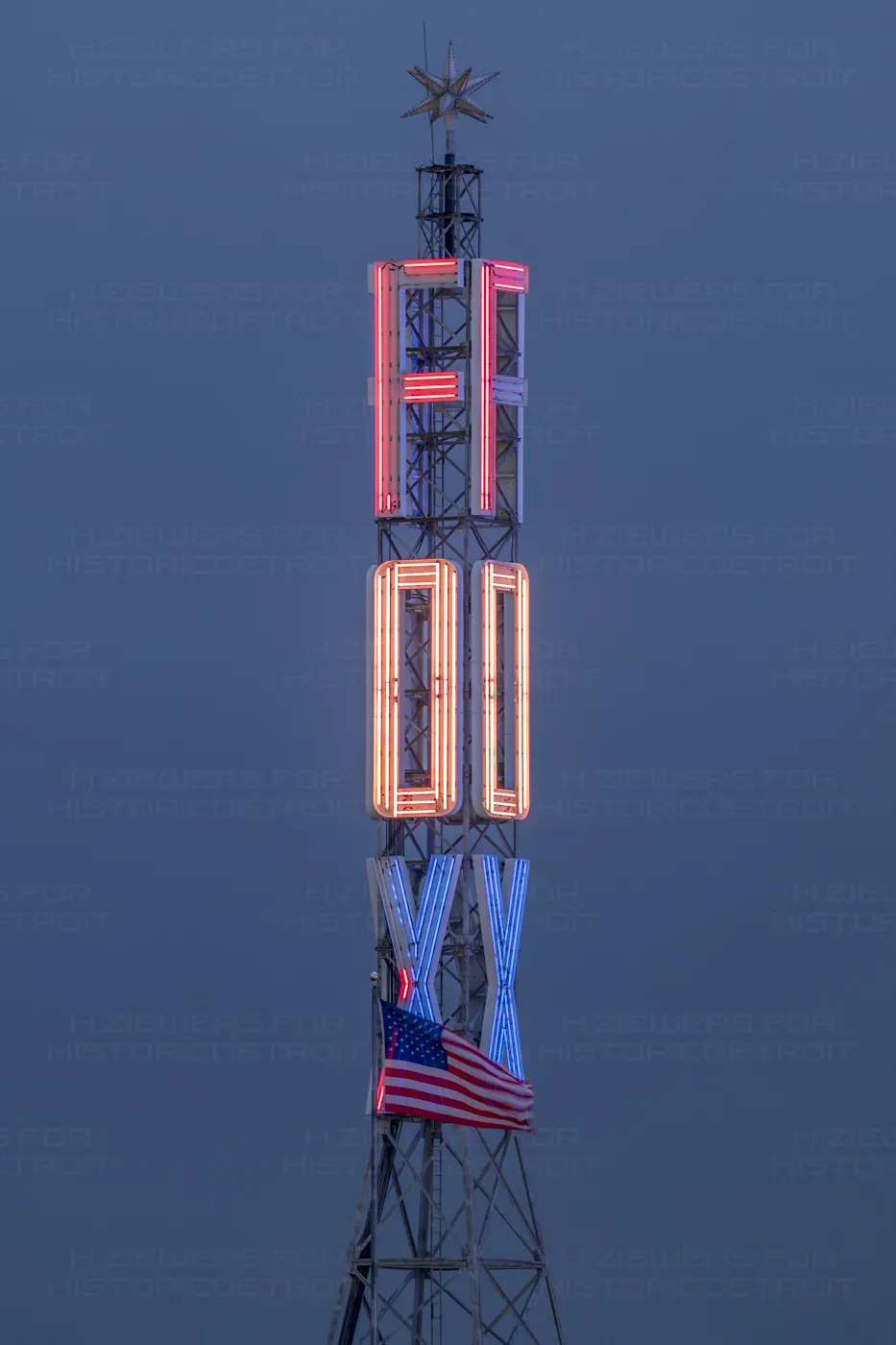 Photo: The Fox in Detroit, via storage.googleapis.com
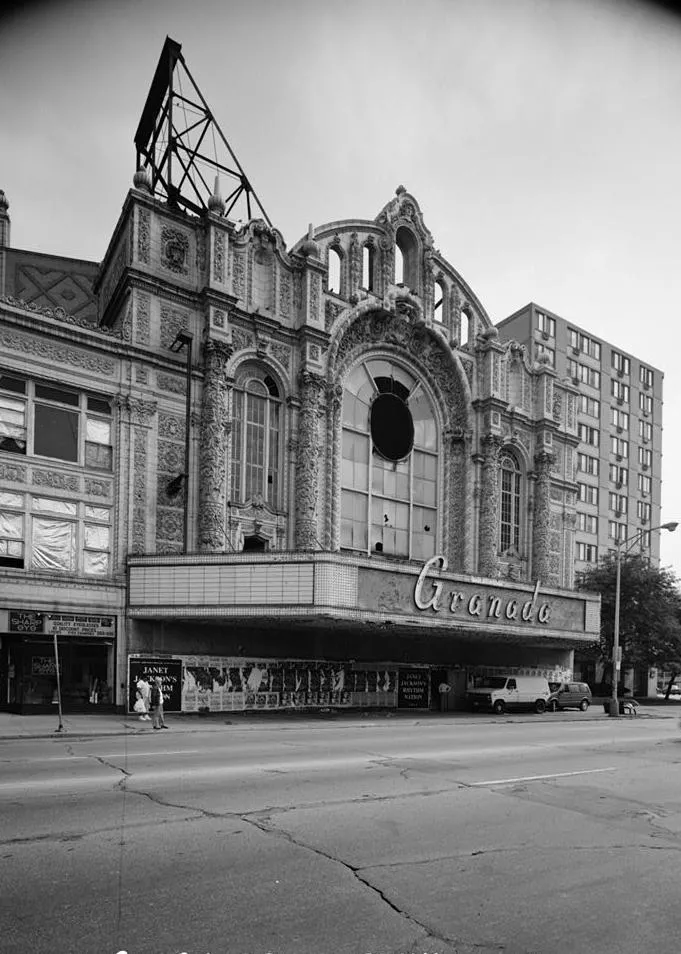 Photo: The Granada in Chicago, via www.historic-structures.com
Ushers in crisp uniforms guided you to your seat with flashlights. Intermissions let you stretch, chat with neighbors, and buy fresh popcorn that actually cost a nickel. The experience lasted three or four hours — a cartoon, a newsreel, a short subject, and two full movies. You got your money's worth because you got an entire evening out.
The Weekly Ritual That Built Community
Friday and Saturday nights at the movies weren't just dates or family outings — they were civic participation. The same faces appeared week after week. Mrs. Henderson always sat in the third row. The Murphy kids claimed the balcony. Young couples filled the back rows, and elderly folks preferred the aisle seats for easy exits.
This predictable rhythm created something modern America has lost: a shared cultural reference point. On Monday morning, everyone in town had seen the same Cary Grant picture. Kids at school could quote the same dialogue. Adults at the diner could debate the same plot twists. The movie theater created a common language that connected neighbors who might otherwise never speak.
When "Gone with the Wind" played for six weeks straight at the Loew's, it wasn't just entertainment — it was a community event. When "The Wizard of Oz" arrived, children begged their parents for weeks to see the Technicolor spectacle. These weren't individual viewing choices from an infinite menu. They were collective experiences that everyone anticipated together.
The Death of Shared Darkness
The decline began in the 1960s with suburbanization and television, accelerated through the 1980s with VHS and multiplexes, and reached completion with streaming services that let us watch anything, anytime, alone.
Today's movie experience is fundamentally different. We choose from dozens of screens showing different films at different times. We select our exact seats online, arrive precisely at showtime, and leave immediately when credits roll. There's no community, no ritual, no shared anticipation. We're consumers, not participants.
Streaming has made this isolation complete. We can watch the latest releases from our couches, pausing for bathroom breaks and phone calls. We can binge entire seasons in private marathons that would have seemed bizarre to previous generations. The very idea of waiting for a specific movie to come to your town — and then sharing that experience with everyone you know — has become incomprehensible.
What We Lost in the Dark
The old neighborhood theaters created something that no algorithm can replicate: the surprise of collective emotion. When 800 people gasped at the same plot twist or laughed at the same joke, you felt part of something larger than yourself. You discovered that your neighbors shared your sense of humor, your capacity for wonder, your ability to be moved by the same story.
These theaters also democratized culture in ways we've forgotten. A farmer's daughter in Iowa saw the same movies as a banker's son in Manhattan. Everyone got the same dose of glamour, the same exposure to different accents and ideas, the same window into worlds beyond their own experience.
Today, our entertainment choices reflect and reinforce our existing preferences. Netflix recommends movies based on what we've already watched. We can avoid anything that might challenge our assumptions or introduce us to unfamiliar perspectives. The old movie palace forced us to take cultural chances, to sit through films we might not have chosen, to share space with people we might not have otherwise encountered.
The Light That Never Quite Returned
Some of those old theaters survive as performing arts centers or revival houses. Others have become churches, stores, or parking lots. But their function as community gathering places — as weekly rituals that brought entire towns together — vanished with the culture that created them.
We gained convenience, choice, and comfort. We can watch movies in our pajamas, rewind our favorite scenes, and never deal with crying babies or tall people blocking our view. But we lost something harder to measure: the experience of being surprised by our own neighbors, of sharing emotions with strangers, of belonging to a community that showed up in the same place, at the same time, ready to dream together in the dark.
The next time you drive past one of those old movie palaces, imagine it filled with your entire neighborhood on a Saturday night in 1955. Everyone you know, sitting together, watching the same story unfold on the same screen. It was the last time America regularly gathered as communities to experience culture together. And we didn't know we were watching it end.