When Every Family Fought Over the Same Facts — The Last Era of Shared Reality
The Evening News That Everyone Watched
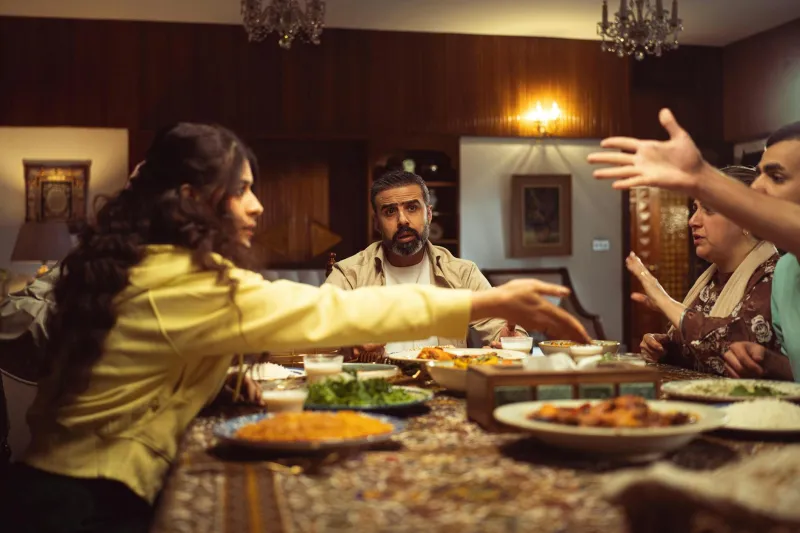
Six o'clock sharp, every weeknight, the Johnson family gathered around their wood-paneled Zenith television set. Not by choice, necessarily, but because there were only three channels, and Walter Cronkite was delivering the day's news to the entire nation simultaneously. By 6:30, the Johnsons were arguing about Vietnam, civil rights, or the space program — not because they enjoyed conflict, but because they'd all just witnessed the same events and felt compelled to make sense of them together.
 Photo: Walter Cronkite, via c8.alamy.com
This was America's last era of shared reality, when families didn't just live together — they experienced the world together.
One Newspaper, Many Opinions
Every morning, the same copy of the local newspaper landed on the front porch. Dad read it first over coffee, Mom scanned it while making breakfast, teenagers grabbed the sports section, and even grandparents living in the household absorbed the same headlines, editorials, and comic strips.
By dinnertime, everyone had processed the same information through their own generational and personal filters. The result? Passionate dinner table debates that could stretch for hours, covering everything from local politics to international affairs to whether the Beatles were corrupting American youth.
 Photo: The Beatles, via www.beatlesbible.com
These weren't polite discussions. Families argued — loudly, passionately, and often without resolution. But they argued from the same starting point: shared facts, shared context, and shared cultural references.
The Dinner Table Debate Society
American dinner tables in the 1960s and 1970s functioned like informal debate societies. Children learned to articulate their opinions, defend their positions, and respectfully disagree with adults. Parents modeled how to engage with opposing viewpoints while maintaining family relationships.
Consider a typical evening in 1968: the family had all watched the same coverage of the Democratic National Convention, read the same newspaper analysis, and heard the same radio commentary during car rides. When they sat down to eat, they weren't debating different sets of facts — they were interpreting shared experiences.
These debates taught crucial skills: how to construct logical arguments, how to listen to opposing viewpoints, how to change your mind when presented with compelling evidence, and how to disagree without becoming disagreeable.
The Shared Cultural Vocabulary
When families consumed the same media, they developed shared cultural references that enabled sophisticated communication. A parent could reference a recent news event, a television show, or a magazine article, confident that everyone at the table understood the reference.
This shared vocabulary extended beyond news to entertainment. When "The Ed Sullivan Show" featured The Beatles, the entire family watched together — not because they all enjoyed the same music, but because there was only one television and limited programming options. The next day, everyone could discuss the performance, whether they loved it or hated it.
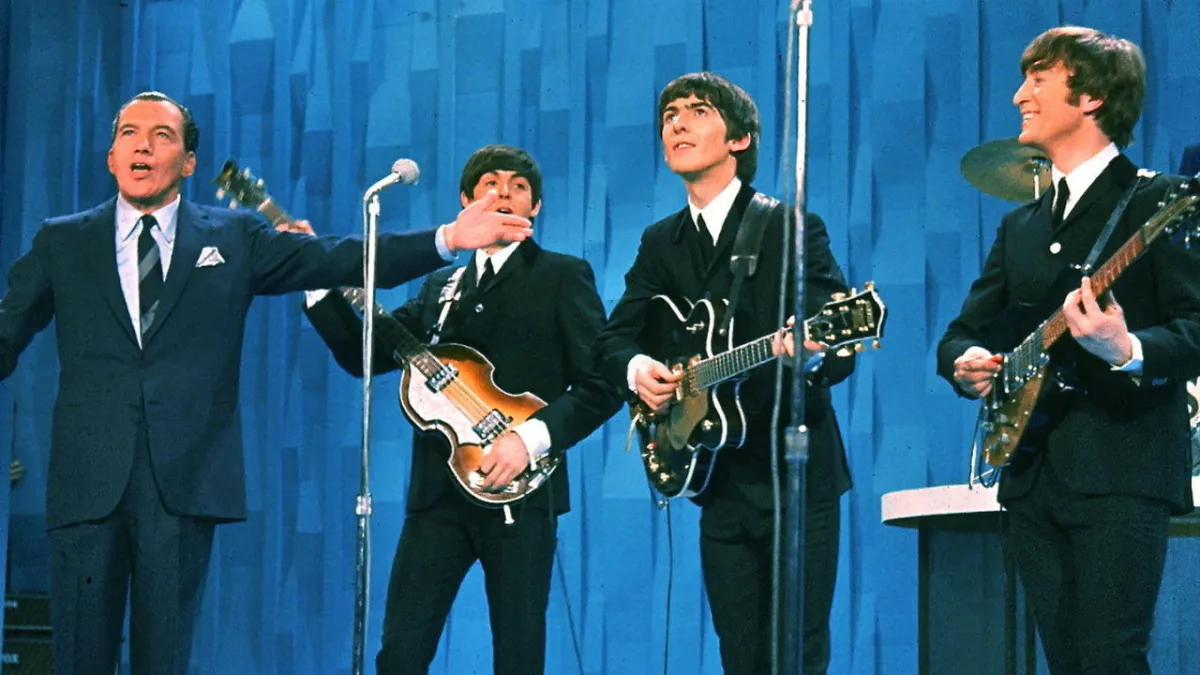 Photo: The Ed Sullivan Show, via simkl.net
These common reference points created a foundation for deeper conversations. Families could use shared cultural moments as jumping-off points for discussing values, beliefs, and life experiences.
The Art of Respectful Disagreement
Perhaps most importantly, these dinner table debates taught Americans how to disagree while maintaining relationships. When your conservative grandfather and your liberal teenage daughter had to continue living together after arguing about the war, they learned to separate ideas from people.
Families developed unspoken rules about debate: attack the argument, not the person; listen before responding; acknowledge valid points even from opponents; and remember that you'll be sharing breakfast together the next morning.
These skills transferred beyond family life. Americans who learned to debate around dinner tables often became more effective citizens, better able to engage in democratic discourse and find common ground with political opponents.
The Information Explosion Changes Everything
The shift began gradually in the 1980s with cable television, accelerated through the 1990s with the internet, and reached completion in the 2000s with social media and personalized algorithms. Suddenly, family members could consume entirely different information streams.
Dad might watch Fox News while Mom preferred CNN. Teenagers got their news from social media feeds curated by algorithms designed to show them content they already agreed with. Grandparents might rely on email forwards and Facebook posts from like-minded friends.
By 2010, American families often lived in the same house while inhabiting completely different information universes.
When Facts Became Optional
Today's family dinner conversations often begin with family members establishing basic facts rather than debating their interpretation. "Did you hear about what happened in..." is frequently met with "No, where did you see that?" followed by questions about source credibility.
Modern families spend significant time not debating ideas, but debating whether reported events actually occurred. The shared factual foundation that enabled meaningful disagreement has largely disappeared.
The Algorithm's Invisible Hand
Personalized news feeds and recommendation algorithms have created what researchers call "filter bubbles" — information environments tailored to individual preferences and beliefs. While this customization can be convenient, it eliminates the productive friction that comes from encountering challenging viewpoints.
When everyone in the family consumes information designed to confirm their existing beliefs, dinner table debates become less frequent and less productive. There's little to argue about when everyone is operating from different sets of "facts."
What We Lost in Translation
The death of shared media consumption represents more than just changing technology — it reflects a fundamental shift in how American families function as democratic institutions. The dinner table debate was democracy's training ground, where citizens learned essential skills for participating in a pluralistic society.
Children who grew up arguing with their parents about the same news stories learned that reasonable people could interpret identical information differently. They discovered that changing your mind wasn't weakness but wisdom. They practiced the art of persuasion and developed thick skins for criticism.
The New Normal
Today's families often avoid political discussions entirely, recognizing that family members may be operating from incompatible information sources. The phrase "let's not talk politics" has become a family dinner staple, protecting relationships but eliminating opportunities for democratic practice.
When families do engage in political discussion, conversations often devolve into arguments about source credibility rather than substantive policy debates. The shared foundation necessary for productive disagreement simply doesn't exist.
Democracy's Dining Room
The family dinner table where everyone argued about the same facts wasn't just quaint nostalgia — it was democracy's most important classroom. Those heated discussions taught Americans how to participate in a diverse society, how to engage with opposing viewpoints, and how to maintain relationships across ideological differences.
In our rush toward personalized everything, we may have inadvertently undermined one of democracy's most effective training grounds. The question facing modern America isn't whether we can recreate the media landscape of the past — we can't — but whether we can find new ways to practice the democratic skills that family dinner debates once taught.
Until we do, American families will continue to live together while experiencing increasingly separate realities, making the kind of productive disagreement that democracy requires ever more difficult to achieve.