When America's Dream House Arrived by Train — The Golden Age of DIY Home Ownership
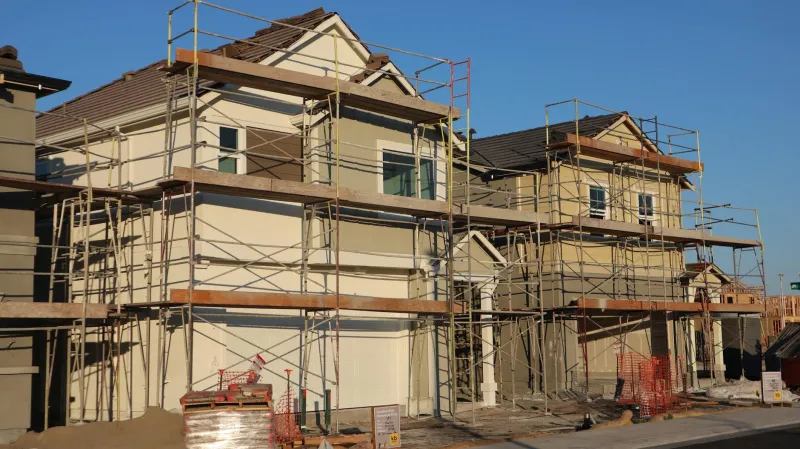
The House That Came in a Box
Between 1908 and 1940, more than 70,000 American families did something that sounds impossible today: they ordered their entire house from a catalog. Not furniture for their house, not materials to build their house — the actual house itself, complete with blueprints, pre-cut lumber, nails, paint, and even the kitchen sink.
Sears, Roebuck and Company revolutionized home ownership by treating houses like any other mail-order product. Families could browse through dozens of floor plans in the Sears Modern Homes catalog, from modest two-bedroom cottages for $650 to elaborate two-story colonials for $2,500. Once they placed their order, a freight train would deliver 12,000 to 30,000 pieces of pre-cut, numbered lumber directly to the nearest railroad station.
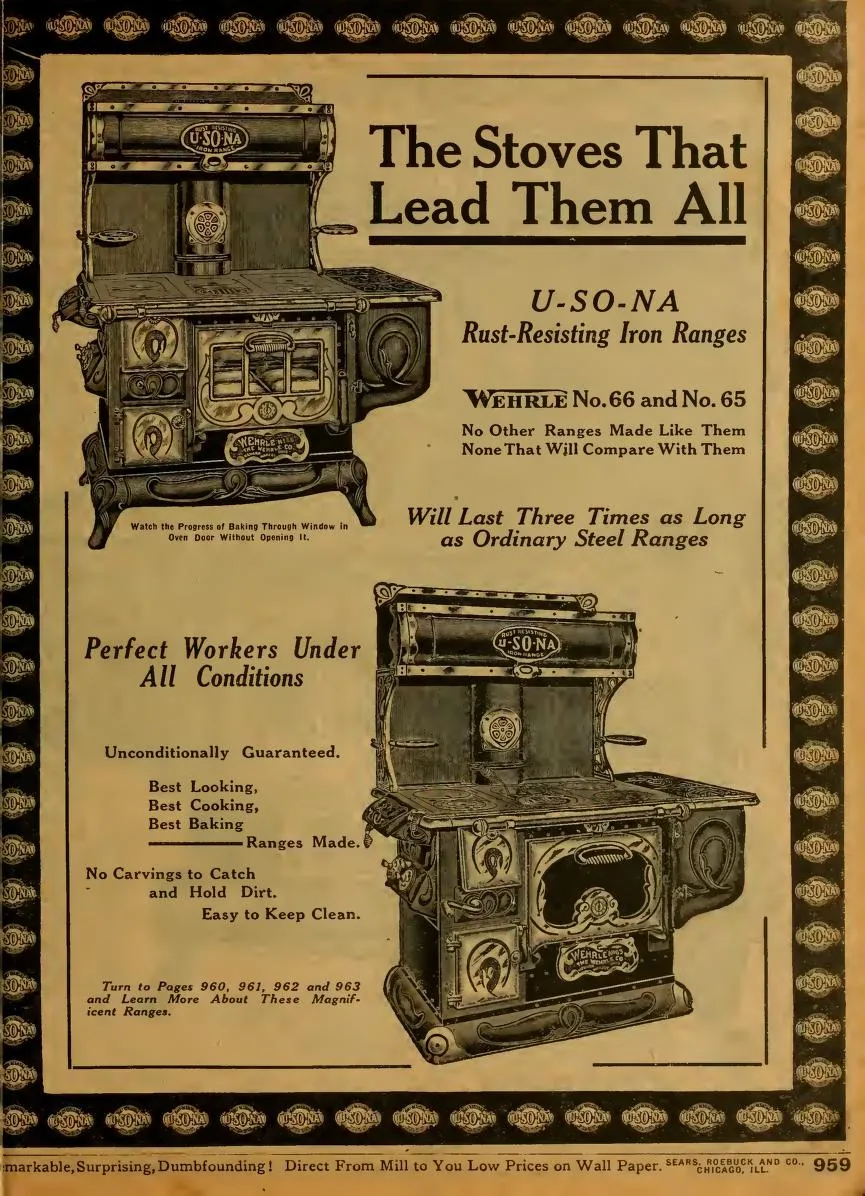 Photo: Sears, Roebuck and Company, via i.pinimg.com
When Building Meant Community
What happened next reveals how dramatically our relationship with home ownership has changed. Families didn't hire general contractors or navigate complex permitting processes. Instead, they organized barn-raising-style community events where neighbors, friends, and relatives gathered for weekend construction parties.
The Sears kit came with a 75-page instruction manual that assumed no professional building experience. Diagrams showed exactly where each numbered piece belonged, and the company's customer service department answered thousands of letters from amateur builders asking for clarification. Most families completed their homes within three to four months of weekend work.
"It was like building the world's largest piece of IKEA furniture, except the whole neighborhood showed up to help," explains architectural historian Rosemary Thornton. "People took genuine pride in knowing how to frame a wall or install plumbing. These weren't mysterious skills reserved for licensed professionals."
 Photo: Rosemary Thornton, via pictures.abebooks.com
The Economics of Sweat Equity
The financial structure of Sears homes reflected a completely different approach to home ownership. Most buyers paid cash or arranged simple financing directly through Sears, avoiding the complex mortgage underwriting that dominates today's housing market. The company offered payment plans as straightforward as buying a refrigerator: a small down payment followed by monthly installments.
Because families provided their own labor, the total cost remained remarkably affordable. A middle-class family could own a substantial four-bedroom home for less than twice the average annual income — a ratio that seems fantastical compared to today's housing costs that often exceed five times median household earnings.
The sweat equity model also created a different relationship with property. Families understood every inch of their homes because they'd personally installed the electrical wiring, painted every wall, and laid every floor board. When something broke, they fixed it themselves rather than calling specialists.
When Codes Were Suggestions
Perhaps most remarkably, this entire system operated with minimal government oversight. Building codes existed in larger cities, but most suburban and rural areas allowed families to construct homes with little more than basic safety requirements. Sears designs met standard engineering principles, but homeowners could modify floor plans, add rooms, or adjust features without navigating today's labyrinth of permits, inspections, and professional certifications.
This regulatory simplicity enabled innovation and customization that would be impossible today. Families regularly combined elements from multiple Sears designs, added personal touches, or adapted plans to local climate conditions. The result was neighborhoods of unique homes that shared common design DNA but reflected individual family preferences.
The Death of DIY
Several forces combined to end America's kit house era. World War II redirected materials and labor toward military production, while post-war suburbanization favored large-scale developers who could build entire neighborhoods efficiently. The GI Bill and FHA loans made professional construction more accessible, while increasingly complex building codes required specialized knowledge.
Perhaps most significantly, Americans began viewing home construction as too complicated for amateurs. The same cultural shift that made car repair the province of professional mechanics transformed house-building into something requiring licensed contractors, certified electricians, and professional plumbers.
What We Lost Along the Way
Today's home buying process involves real estate agents, mortgage brokers, home inspectors, appraisers, and closing attorneys. Most buyers understand little about their home's construction and feel helpless when major systems fail. The average American moves every seven years, treating houses as financial investments rather than family projects built to last generations.
The Sears kit house era represented something profoundly different: home ownership as an achievable community endeavor where ordinary families could build substantial, permanent houses through their own labor and local cooperation. These weren't temporary structures or starter homes — many Sears houses still stand today, nearly a century later, testament to the quality achievable through patient amateur craftsmanship.
The Lasting Legacy
While we've gained important safety standards and professional expertise in modern construction, we've also lost something essential about the American dream. When families could order their ideal home from a catalog and build it themselves over a few months of weekends, home ownership felt accessible and empowering rather than intimidating and complex.
The next time you drive through an older American neighborhood, look for the telltale signs of Sears homes: distinctive window arrangements, specific roof lines, and solid construction that has weathered decades. These houses represent more than architectural history — they're monuments to an era when Americans believed they could build their own dreams with their own hands.