The Boy on the Bicycle Who Could Break Your Heart — America's Telegram Era

The Boy on the Bicycle Who Could Break Your Heart — America's Telegram Era
You saw him coming from half a block away. A young man in a Western Union uniform, riding a bicycle, checking house numbers. And in the seconds between spotting him and watching him turn up your front walk, you ran through every person you loved and wondered which one the message was about.
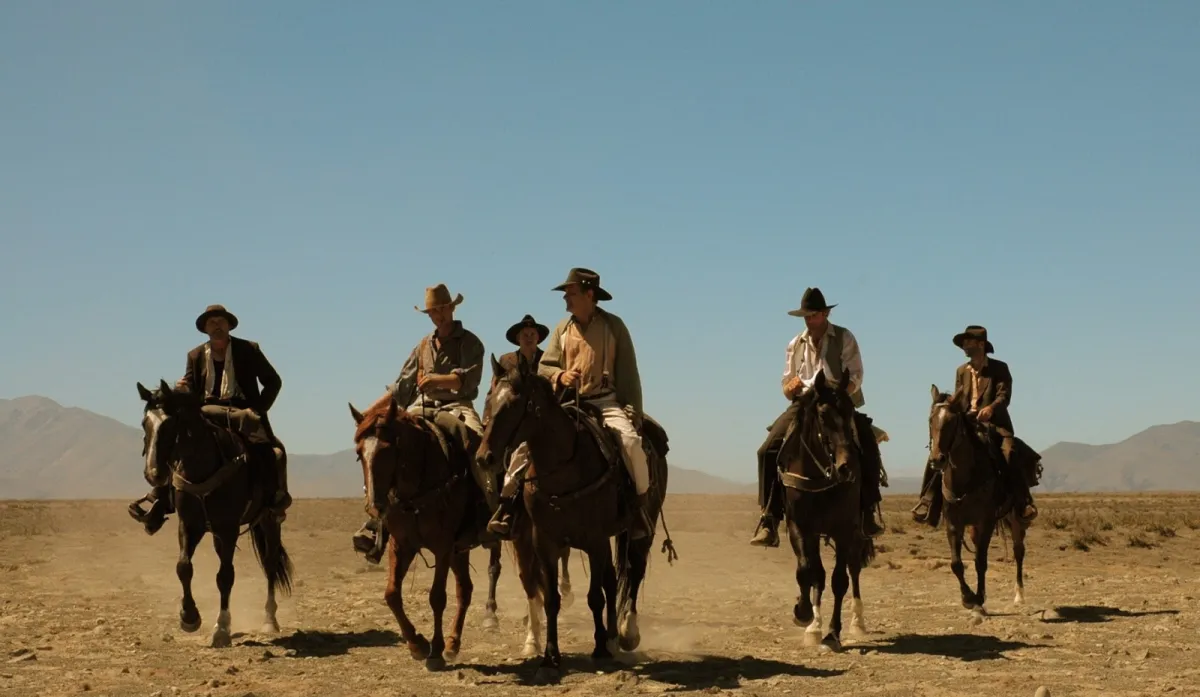 Photo: Western Union, via cdn.wallpapersafari.com
For roughly a century — from the mid-1800s through the 1960s — the telegram was how America communicated across distance when something couldn't wait for a letter. It was the fastest technology available, and it carried that speed like a warning. Ordinary news came by mail. Telegrams came when ordinary wasn't good enough.
How the System Actually Worked
The mechanics of sending a telegram were simple but deliberate. You went to a Western Union office — there were thousands of them across the country, in train stations, hotel lobbies, and standalone storefronts — and you composed your message with the full awareness that every word cost money. Rates were charged by the character, with a base rate covering a short message and additional fees for anything longer.
That pricing structure shaped the entire culture of the form. Telegram language became its own compressed dialect: stripped of pleasantries, purged of adjectives, reduced to the essential facts and nothing more. "ARRIVED SAFELY STOP LETTER FOLLOWS STOP" said everything that needed saying. The word STOP, used in place of a period to avoid confusion in transmission, became so associated with telegrams that it entered the cultural vocabulary as shorthand for blunt, urgent communication.
The message was transmitted over telegraph wires by an operator who encoded it in Morse, sent it to the destination office, where another operator decoded it, typed it onto the familiar yellow paper, and handed it to a messenger for delivery. The whole process, city to city, could take under an hour. In a world without telephone networks that reached everywhere, that was astonishing.
The Weight of Yellow Paper
But the technology is only part of the story. The emotional texture of telegram culture is what distinguished it from everything that came before or after.
During World War II, the telegram became inseparable from grief. The War Department used Western Union to notify families of casualties — a brief, formal message that began "The Secretary of War desires me to express his deep regret..." Families with sons overseas learned to dread the sight of the Western Union messenger. Neighbors would sometimes spot the boy on his bicycle and run ahead to warn the household, as if a few extra seconds of not-knowing were worth something.
 Photo: War Department, via static.espreso.tv
The telegram delivery was a scene that played out in living rooms and on front porches across the country, tens of thousands of times during the war years. A woman alone in the house, or surrounded by children, receiving a slip of paper that reorganized her entire life in thirty words or fewer. The brevity wasn't coldness — it was the limitation of the medium. But it meant that the most significant moments in millions of American lives arrived stripped of context, without explanation, demanding to be absorbed and processed alone.
Not all telegrams were tragedies. Births were announced by telegram. Business deals were closed. Soldiers sent word of their safe arrival in port. Celebrities sent congratulations. The format was neutral — it was the anticipation of bad news that gave every telegram its charge, regardless of what it actually contained.
The Ceremony of Reading
There was a ritual quality to receiving a telegram that has no modern equivalent. You signed for it. You held it before opening it. Sometimes you called a neighbor or a family member before reading it, instinctively wanting a witness. The words, when you finally read them, had been chosen by someone who knew they were paying for each one — which meant every word was deliberate in a way that almost no modern communication is.
Compare that to a text message, which costs nothing, requires no physical journey, and arrives with the same alert tone as a promotional coupon. The medium itself communicates nothing about the importance of the message. A notification on your phone might be breaking news or it might be a reminder that your streaming subscription is renewing. There's no way to know from the outside, and no ceremony attached to finding out.
The telegram forced a different relationship with communication. Sending one required effort and expense. Receiving one required presence and attention. The gap between those two moments — the composition and the delivery — was charged with meaning that the technology itself created.
The Long Decline
The telephone eroded the telegram's dominance through the middle decades of the twentieth century, as long-distance calling became more affordable and reliable. By the 1960s, telegrams were already in retreat, used more for formal occasions — condolences, congratulations, official notices — than for urgent personal news. Western Union shifted toward money transfers and financial services. The telegram messenger on his bicycle became rarer, then rare, then gone.
Western Union sent its last telegram in 2006. The announcement was itself delivered by press release — a document of unlimited length, costing nothing per word, noticed by almost nobody.
What Urgency Used to Feel Like
The telegram era ended, but what it represented hasn't been fully replaced. We communicate faster now than anyone in 1943 could have imagined possible. A message travels from New York to Los Angeles in milliseconds, for free, with photographs and video attached. The technology is a miracle by any historical standard.
 Photo: Los Angeles, via static.independent.co.uk
What we've lost is the weight. When everything is instant and free and constant, nothing carries the particular gravity of a message that cost someone something to send. The telegram arrived like an event. It stopped rooms. It changed afternoons. It required you to sit down.
The last generation of Americans who knew what it felt like to see that bicycle turn up the front walk understood something about communication that we've quietly forgotten: that the effort behind a message is part of the message itself.