The 12 O'Clock Whistle That Ruled America — When the Whole Country Moved to the Same Beat
The Sound That Stopped Everything
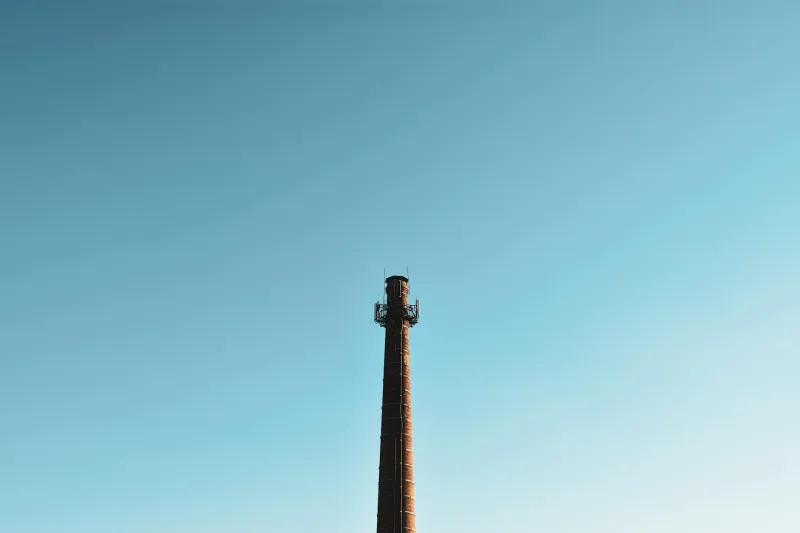
At exactly twelve o'clock, the whistle would blow. Across industrial America, from the steel mills of Pittsburgh to the textile factories of North Carolina, the same piercing sound would cut through the noise of machinery, traffic, and daily life. Workers would stop mid-task. Children would pause their games. Housewives would check their kitchen clocks and adjust them if needed.
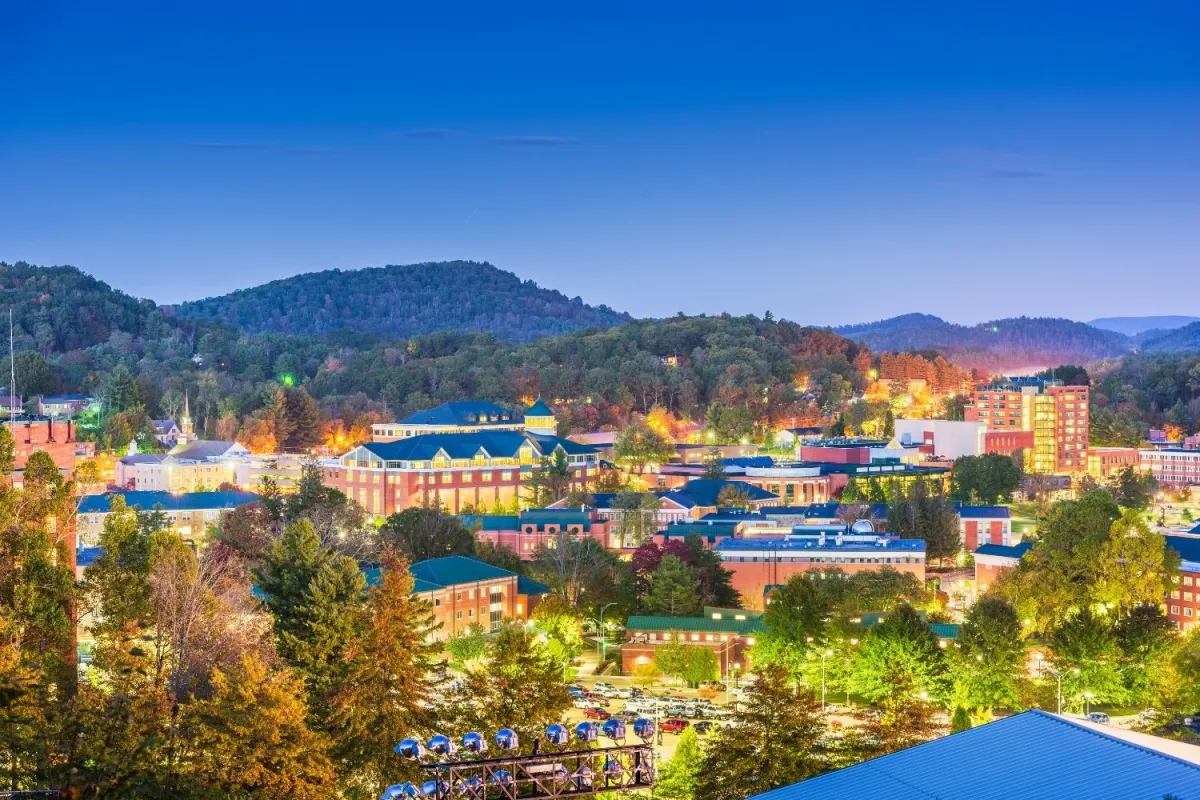 Photo: North Carolina, via lostinthecarolinas.com
This wasn't just a lunch break signal — it was how an entire community kept time together.
For most of American history, before digital displays appeared on every surface and smartphones made us all walking atomic clocks, towns lived by shared rhythms. The factory whistle, the church bell, the courthouse clock, or the fire station siren didn't just mark the hours — they created a collective heartbeat that synchronized thousands of individual lives.
When Time Belonged to Everyone
In 1920s Detroit, the Ford Rouge Plant whistle could be heard for miles. When it blew at noon, every clock in Dearborn got reset. Workers heading home for lunch, children playing in schoolyards, and families sitting down to eat all moved to the same temporal rhythm. Time wasn't personal — it was public property, shared and maintained by the community.
Smaller towns had their own versions. The grain elevator whistle in Kansas wheat towns. The sawmill horn in Pacific Northwest logging communities. The textile factory bell in New England mill towns. Each had its own sound, but they served the same function: creating a shared experience of time that connected every resident to the same moment.
These weren't just utilitarian signals. They were democratic institutions. Rich and poor, management and labor, young and old — everyone heard the same whistle at the same time. Time was one of the few things that couldn't be bought, hoarded, or customized. When the noon whistle blew, a banker's lunch hour was exactly the same length as a factory worker's.
The Rhythm of Community Life
The public timekeeping system created predictable patterns that shaped entire communities. Morning whistles got workers moving. Noon signals brought everyone home for lunch. Evening horns marked the end of the workday and the beginning of family time. These weren't just individual schedules — they were community-wide rhythms that everyone shared.
Children learned to tell time not by looking at clocks, but by listening to their town's audio schedule. "The first whistle means Daddy's going to work. The second whistle means lunch. The third whistle means Daddy's coming home." Time became something you heard and felt, not something you checked.
This shared temporality created unexpected social benefits. When everyone's lunch break happened simultaneously, Main Street filled with workers, housewives, and children all running errands at the same time. Neighbors encountered each other naturally. Social connections formed around predictable schedules that everyone followed.
Evening whistles created community-wide transitions from work time to family time. When the five o'clock horn blew, an entire town shifted gears together. Streets filled with workers heading home. Kitchens came alive with dinner preparations. Children gathered for evening play. The whole community moved from day mode to evening mode in unison.
The Personal Clock Revolution
The change began gradually with affordable wristwatches in the 1960s, accelerated with digital clocks in the 1980s, and reached completion with smartphones that display the time to the nanosecond. Suddenly, everyone had personal access to precise timekeeping. The community whistle became redundant.
But something important was lost in the transition. Personal timekeeping freed us from community schedules, but it also isolated us from community rhythms. When everyone carries their own clock, no one needs to listen for the shared signal. When everyone can check the time privately, public timekeeping becomes unnecessary.
The old system wasn't just about knowing what time it was — it was about experiencing time together. The noon whistle created a moment when thousands of people simultaneously thought about time, checked their personal clocks, and synchronized their individual schedules with the community rhythm. It was a daily reminder that we all lived in the same temporal space.
The Silence of Modern Efficiency
Today's timekeeping is hyper-precise and completely personal. Our phones sync with atomic clocks. Our computers update automatically across time zones. We can schedule events to the minute and coordinate activities across continents. The technology is remarkable, but it's also isolating.
We've gained temporal precision but lost temporal community. Modern Americans live in individual time bubbles, checking personal devices that display slightly different times, following customized schedules that rarely align with neighbors. The shared experience of hearing the same time signal has vanished from daily life.
Some factory towns still blow whistles, but they're largely ceremonial now. Workers don't need them to know when lunch starts — they have smartphone alarms, computer calendars, and digital displays everywhere. The whistle has become nostalgic background noise rather than essential community infrastructure.
The Unintended Consequences of Private Time
Personal timekeeping created unexpected social changes. When everyone follows individual schedules, community rhythms disappear. Lunch hours spread across several hours as people eat when convenient rather than when the whistle blows. Evening activities scatter as families follow personalized timetables rather than community-wide transitions.
This temporal fragmentation makes spontaneous social encounters less likely. When everyone's schedule is different, you're less likely to bump into neighbors, chat with coworkers, or participate in impromptu community activities. The predictable rhythms that once brought people together at the same times and places have dissolved into individual convenience.
Modern parents often struggle to coordinate family schedules that would have been automatic in the whistle era. When everyone had the same lunch hour, families naturally ate together. When everyone finished work at the same time, dinner happened simultaneously across neighborhoods. The community timekeeper simplified family coordination by creating shared expectations about when things happened.
The Democracy of Shared Time
The old public timekeeping system had an egalitarian quality that we've lost. Rich and poor heard the same whistle. Managers and workers responded to the same signal. Time was one of the few resources that couldn't be privatized or customized — everyone got exactly the same amount, measured by the same community clock.
Today's time is increasingly stratified. Wealthy people buy premium scheduling apps, hire personal assistants, and use technology to optimize their temporal efficiency. Working people juggle multiple part-time jobs with incompatible schedules. Children follow packed calendars of activities that would have been impossible to coordinate without personal devices.
The community whistle created temporal equality that modern technology can't replicate. When everyone moved to the same beat, social class couldn't buy you extra time or better scheduling. The factory owner and the factory worker both stopped what they were doing when the noon whistle blew.
What We Gained and Lost
Modern timekeeping is undeniably superior in terms of accuracy, convenience, and personal control. We can coordinate complex schedules across multiple time zones. We can set personalized reminders for any activity. We can optimize our individual productivity in ways that would have been impossible in the whistle era.
But we lost something that's harder to quantify: the experience of moving through time as a community. The shared rhythm that connected neighbors to the same temporal heartbeat. The democratic equality of public time that couldn't be customized or optimized.
The next time you're in an old industrial town, listen carefully around noon. If you hear a distant whistle or bell, pause for a moment and imagine thousands of people stopping what they're doing to acknowledge the same signal. Picture an entire community moving to the same beat, sharing the same temporal experience, connected by the simple act of hearing time announced to everyone at once.
It was the last era when time belonged to everyone, when the rhythm of daily life was a community affair rather than a personal optimization project. And most of us never realized it was ending until the whistles fell silent and we all started checking our phones instead.