The School Nurse Who Knew Your Story — When One Person Watched Over Generations and Could Spot Trouble Before It Started
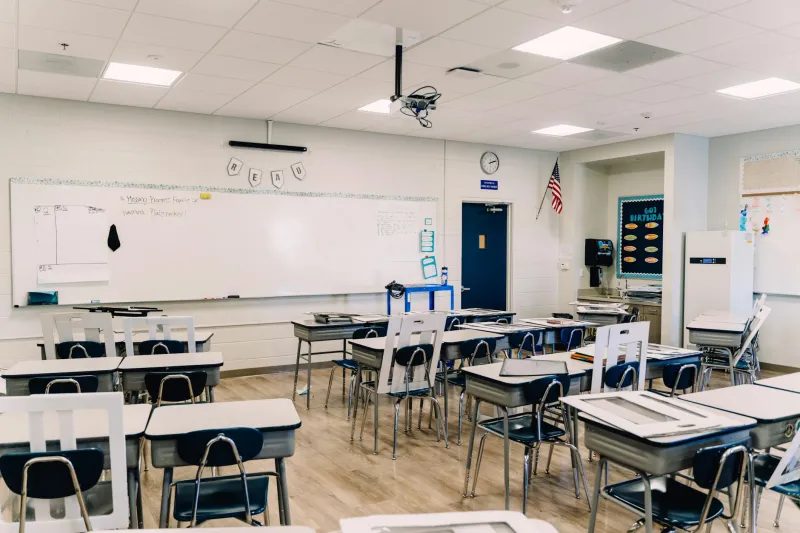
The Guardian of the Health Office
For thirty-seven years, Mrs. Henderson occupied the same small office next to the principal at Lincoln Elementary, surrounded by the same olive-green filing cabinets, the same creaky cot with its thin mattress, and the same glass jar of lollipops that she handed out after every scraped knee and stomach ache. She knew three generations of the same families, remembered which kids were allergic to what, and could spot a child in distress from across the cafeteria.
 Photo: Lincoln Elementary, via cmsv2-assets.apptegy.net
Mrs. Henderson wasn't unusual. Across America, school nurses like her served as the medical memory of their communities, building relationships that lasted decades and developing an almost supernatural ability to read the children in their care. They were part healthcare provider, part detective, part surrogate grandmother — and their loss has left a gap in America's safety net that we're only beginning to understand.
When Institutional Memory Had a Face
The old-school nurse didn't just treat symptoms — she knew stories. She remembered that Tommy's asthma got worse when his parents were fighting. She knew that Sarah always developed mysterious stomach aches on test days, and that Maria's frequent headaches started right after her father lost his job. This wasn't just medical knowledge; it was family archaeology built over years of careful observation.
These nurses maintained hand-written files that read like family histories. "Jenny Smith — allergic to penicillin, gets anxious during thunderstorms, parents divorced 1987, lives with grandmother Tuesdays and Thursdays." Modern electronic health records capture medical data, but they can't replicate the intuitive understanding that came from watching the same children grow up year after year.
When a child arrived at the health office, the nurse could often diagnose the real problem before checking the thermometer. A sudden increase in visits from a normally healthy kid might signal trouble at home. A child who used to be chatty becoming withdrawn could indicate bullying or abuse. The nurse's office became a safe harbor where children felt comfortable sharing things they couldn't tell anyone else.
The Early Warning System
School nurses were often the first adults to spot signs of neglect, abuse, or family crisis. They noticed when children came to school hungry, wearing the same clothes multiple days in a row, or showing signs of physical harm. Their long-term relationships with families meant they could distinguish between normal childhood accidents and patterns that suggested something more serious.
Mrs. Rodriguez at Washington Middle School once called Child Protective Services after noticing that eighth-grader David had developed a pattern of "falling down stairs" that coincided with his stepfather's weekend drinking. She'd been watching David since kindergarten and knew his normal bumps and bruises from his actual clumsiness. The unusual injuries told a different story that a rotating staff member might have missed.
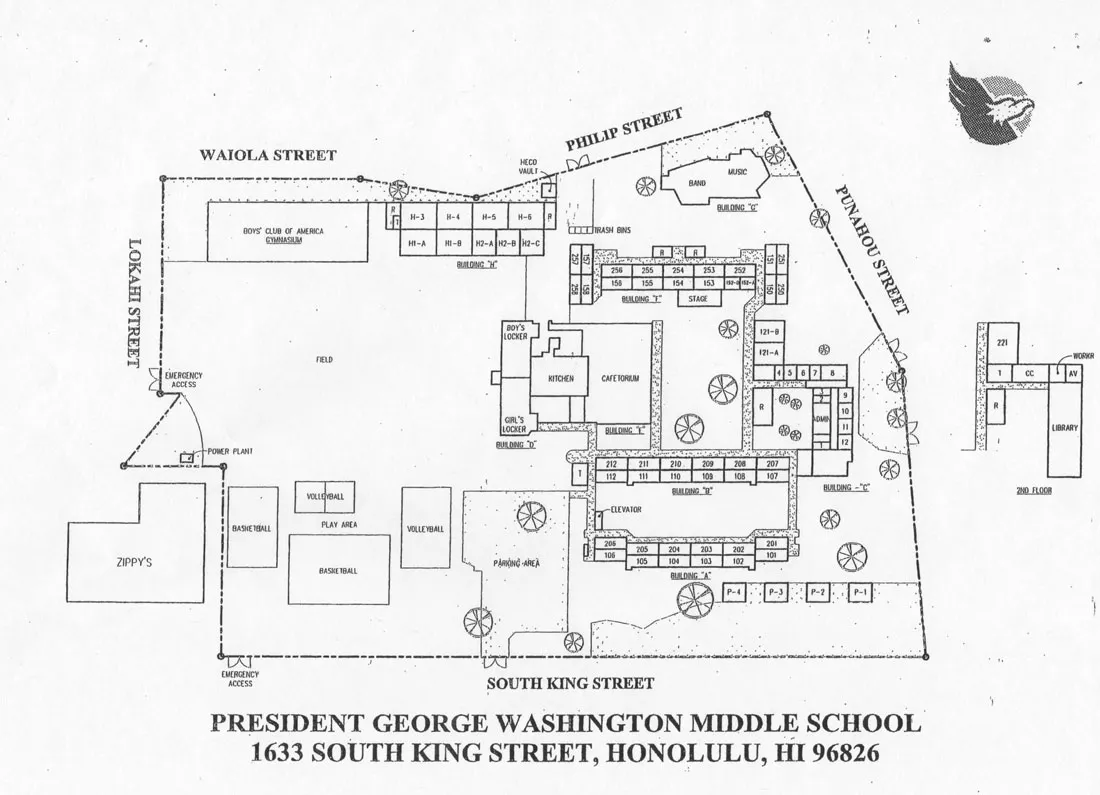 Photo: Washington Middle School, via washingtonmiddleschool.org
These nurses also served as informal social workers, connecting struggling families with resources they didn't know existed. They kept lists of local food banks, free clinics, and charity organizations. When a family couldn't afford a child's prescription medication, the nurse might know which pharmacy offered payment plans or which local church had a discretionary fund for medical emergencies.
The Comfort of Consistency
For children dealing with chronic conditions, having the same nurse for years meant having someone who understood their specific needs without explanation. The nurse knew exactly how to calm an autistic child during a meltdown, which diabetic students needed extra monitoring during stressful periods, and how to handle seizures for kids with epilepsy.
Parents could call the school nurse directly, knowing they were speaking to someone who genuinely knew their child. "This is David's mom — he woke up with a slight fever but seemed okay. Can you keep an eye on him today?" The nurse would know David's medical history, his tendency to downplay illness, and exactly what signs to watch for.
This continuity created trust that extended beyond medical care. Children would often confide in the school nurse about problems they couldn't share with teachers or parents. The nurse's office became neutral territory where kids could process difficult emotions or situations with an adult who had known them long enough to offer perspective.
When Budget Cuts Broke the Chain
Starting in the 1990s, budget constraints forced many school districts to share nurses across multiple schools or hire temporary staff through agencies. The era of the longtime school nurse began disappearing as districts prioritized cost savings over continuity of care. Today, many schools operate with rotating health assistants or part-time nurses who split time between several buildings.
The impact goes far beyond medical care. When children don't have a consistent healthcare advocate at school, problems that the old-school nurse would have caught early often go unnoticed until they become crises. The institutional memory that helped identify patterns and connect families with resources disappeared along with the permanent nursing staff.
Modern school health staff often meet children for the first time during medical emergencies. They're working from electronic records that list allergies and medications but can't capture the nuanced understanding that came from years of observation. A child's unusual behavior might signal a medical issue to an experienced nurse but appear normal to someone meeting them for the first time.
The Ripple Effects of Broken Continuity
Without consistent school nurses, the responsibility for recognizing health and safety issues has shifted to teachers who are already overwhelmed with academic responsibilities. Teachers can't be expected to develop the medical expertise and long-term perspective that made school nurses such effective advocates for children's wellbeing.
Parents now deal with different healthcare staff throughout their children's school years, having to repeatedly explain medical histories and special needs. The personal relationships that made school health offices feel like safe spaces have been replaced by more clinical, impersonal interactions that follow strict protocols but lack human connection.
Children with chronic conditions or those dealing with family stress have lost a crucial support system. The nurse's office is no longer a place where they can find someone who truly knows them and their circumstances. Instead, it's become another institutional checkpoint where they're treated as cases rather than individuals with histories and relationships.
What We Lost in the Name of Efficiency
The disappearance of the longtime school nurse represents more than a shift in healthcare delivery — it's the loss of a crucial community institution that connected schools, families, and children's wellbeing across generations. These nurses served as the human memory of their school communities, creating safety nets that protected vulnerable children in ways that modern systems struggle to replicate.
When we replaced relationships with protocols and institutional memory with electronic records, we gained efficiency but lost the intuitive understanding that came from watching children grow up. The school nurse who knew your story, your family's challenges, and your individual needs has largely disappeared from American education — and with her went a form of care that no amount of digital innovation can replace.
The next time you visit a school and see a rotating health assistant checking off boxes on a form, remember Mrs. Henderson and the thousands of school nurses like her who spent decades watching over America's children — and ask yourself what we really gained when we decided their institutional memory wasn't worth the cost.