America's Weekly TV Bible — When One Magazine Held the Power Over What 200 Million People Watched
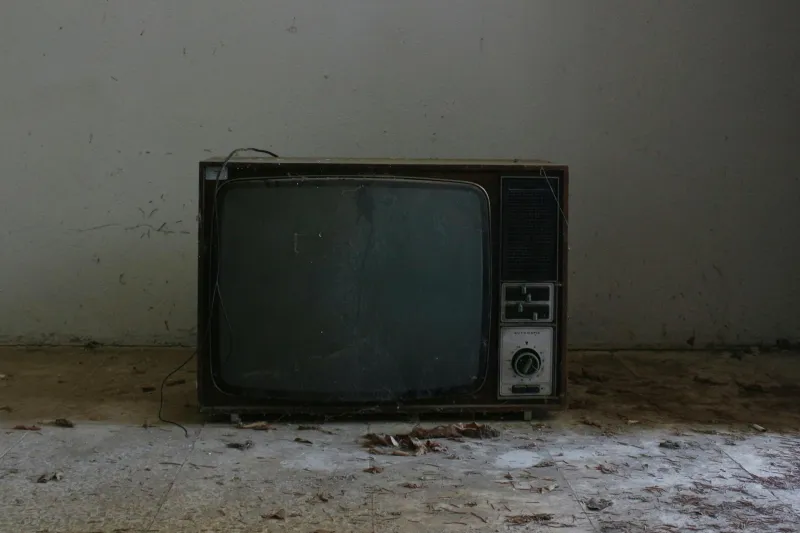
The Magazine That Ruled Prime Time
Every Tuesday, America lined up at newsstands for something more powerful than any streaming service today: a pocket-sized magazine that told 200 million people exactly what they could watch and when. TV Guide wasn't just a publication — it was the gatekeeper of American entertainment, the weekly bible that turned television from chaos into ritual.
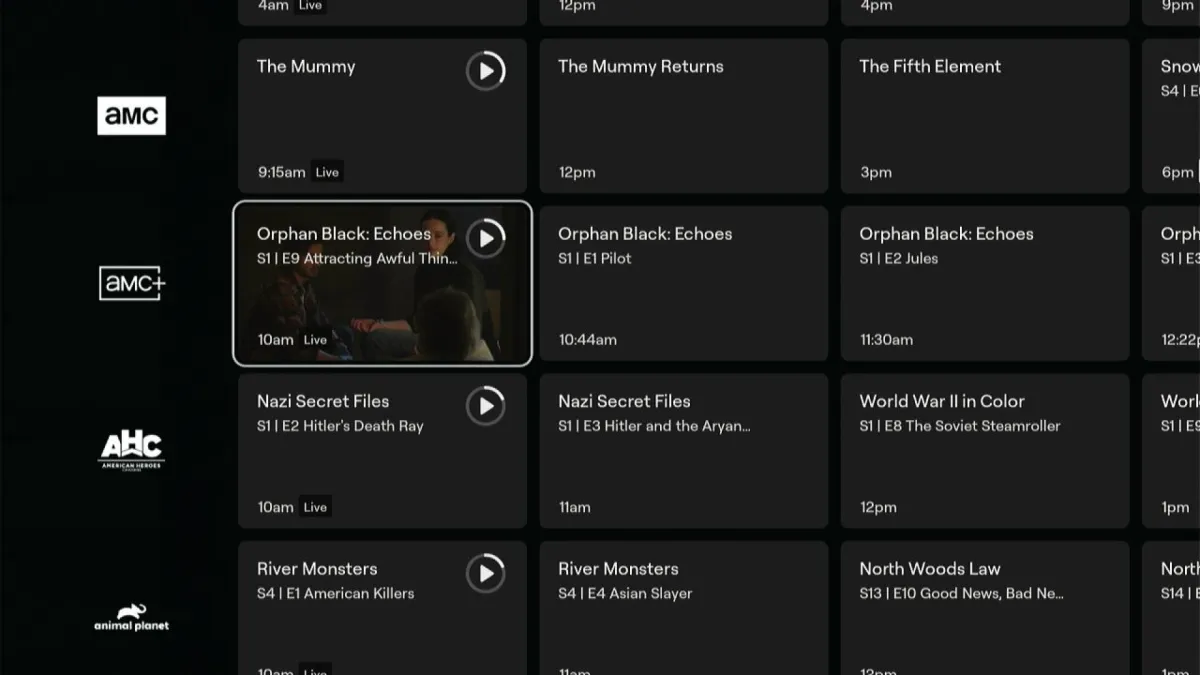 Photo: TV Guide, via images.ctfassets.net
At its peak in the 1970s and 80s, TV Guide sold over 20 million copies weekly, making it the most widely circulated magazine in the country. Families didn't just buy it; they studied it, marked it up with pens, and planned their entire week around its pages. The arrival of that thin magazine on Tuesday meant the weekend's entertainment was about to be decided.
When Scarcity Made Everything Special
Before Netflix offered 15,000 titles at your fingertips, Americans had three networks and maybe a handful of local stations. What seems impossibly limiting today actually created something we've completely lost: shared cultural moments that brought the entire country together.
TV Guide didn't just list shows — it created appointment television. When the magazine announced a special episode of "All in the Family" or the premiere of a made-for-TV movie, millions of families would circle the date, clear their schedules, and gather around the living room television at exactly 8 PM Eastern. Missing it meant waiting months or years for a rerun, if it ever came at all.
The magazine's editors wielded enormous influence. A positive review or feature story could make a show; a dismissive comment could kill one. When TV Guide put a show on its cover, it was essentially crowning it as culturally significant. The publication didn't just report on television — it shaped what America watched.
The Ritual of Planning Your Week
Every Sunday night, families would spread TV Guide across the kitchen table like a battle plan. Parents would negotiate with kids about homework time versus TV time. Teenagers would lobby for later bedtimes to catch shows that aired past their usual curfew. The magazine turned television watching from a passive activity into active family planning.
People would circle shows in red ink, write notes in the margins, and tear out pages to tape to the refrigerator. The most dog-eared section was always the prime-time grid — that sacred chart that showed exactly what was on every channel from 8 to 11 PM. Losing your TV Guide mid-week was a minor household crisis.
The magazine also created a unique form of social currency. Knowing what was on television made you valuable at work, school, and social gatherings. "Did you see what's on tonight?" became a conversation starter that could spark friendships and debates.
When TV Stars Were Actually Stars
TV Guide's cover was the ultimate validation for television personalities. Being featured meant you had transcended mere entertainment to become a cultural figure worthy of America's attention. The magazine's interviews and behind-the-scenes features created an intimacy between viewers and stars that social media has somehow made both more intense and more hollow.
The publication's annual fall preview issue was like a national holiday for television fans. Glossy photos and detailed descriptions of new shows created genuine excitement and anticipation. Families would debate which new series looked promising and which returning favorites they'd continue following. The preview issue didn't just announce the new season — it created a sense of event around the very concept of new television.
The Death of Appointment Culture
Today, Netflix's algorithm knows you better than TV Guide's editors ever could. It can predict what you'll want to watch next with unsettling accuracy. You can binge entire seasons in a weekend or spread them out over months. You never have to wait for anything, never have to plan, never have to choose between two shows airing at the same time.
But something profound was lost in that convenience. When everyone could watch anything at any time, we stopped watching together. The water cooler conversations about last night's episode disappeared because "last night" became meaningless. Cultural moments that once united the entire country — like the final episode of "MAS*H" or "Who shot J.R.?" — became impossible when audiences scattered across infinite viewing options.
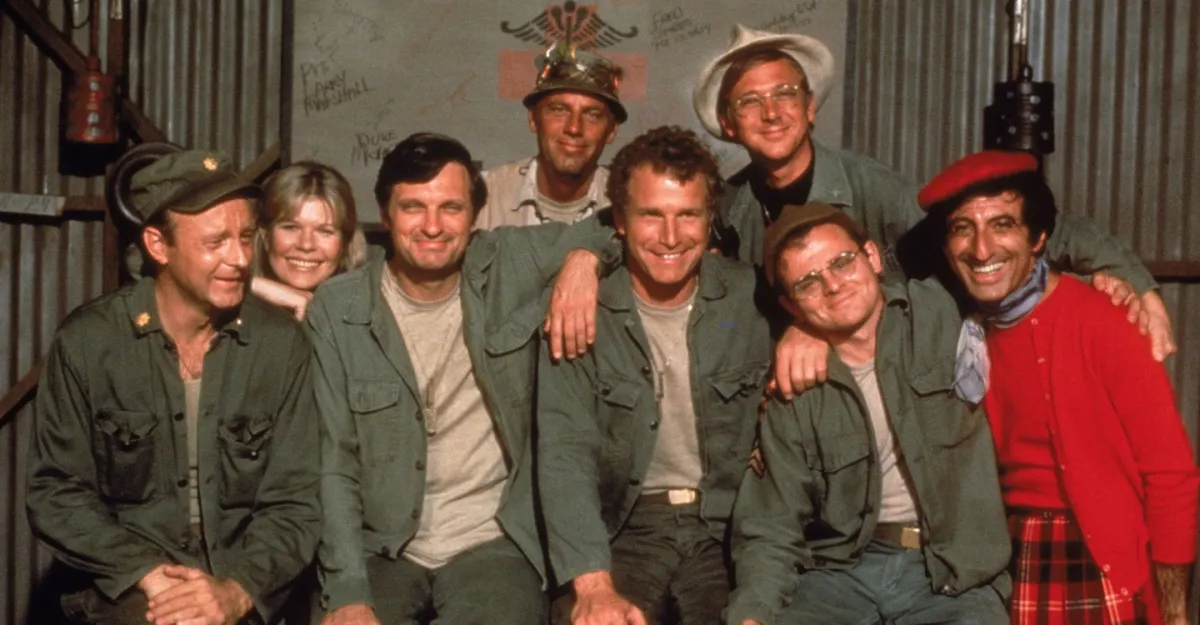 Photo: MASH, via www.justwatch.com
What We Traded Away
TV Guide's death wasn't just about technology replacing print. It represented the end of shared cultural experiences, the dissolution of appointment culture, and the loss of anticipation as a form of entertainment itself. When everything became available instantly, nothing felt special anymore.
The magazine taught America that limitations could create meaning, that waiting could build excitement, and that sharing the same cultural moments at the same time could bind a country together. In our rush toward infinite choice and perfect convenience, we may have gained control over our entertainment — but we lost the magic of experiencing it together.
The next time you spend 20 minutes scrolling through Netflix trying to decide what to watch, remember when that decision was made for you by a 50-cent magazine — and somehow, that felt like freedom.