The Driveway Mechanic Is Gone — How America Stopped Fixing Its Own Cars
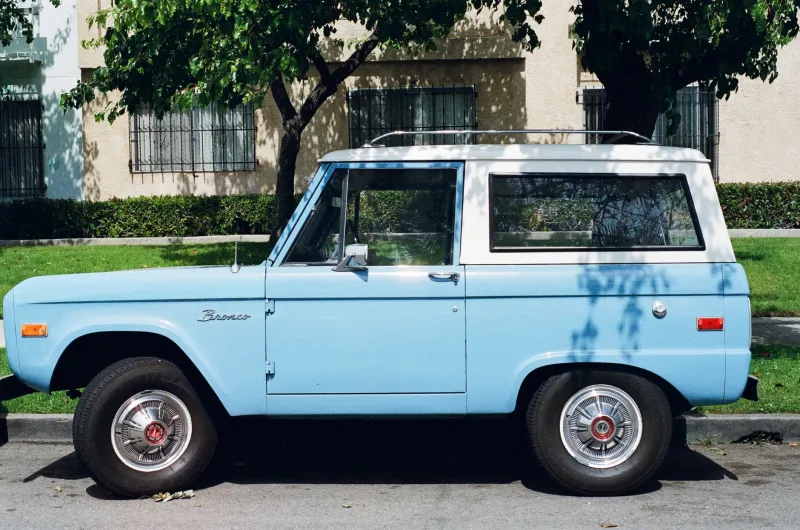
On any given weekend in 1968, you could walk through a working-class American neighborhood and find at least one driveway turned into an open-air garage. A car up on jack stands. A transistor radio propped on the bumper. A guy on his back in the oil stain, passing tools to a kid who was learning by watching.
This was not a rare scene. It was a defining one.
For much of the twentieth century, knowing your way around a car engine wasn't a specialty — it was a baseline expectation for American men of a certain generation. You didn't call someone to fix your brakes. You fixed your brakes. You didn't schedule a diagnostic appointment when the engine ran rough. You listened to it, felt it, and figured it out.
That world is almost entirely gone now, and its disappearance has been so gradual that most people haven't fully registered what was lost.
When Cars Were Things You Could Actually Understand
The mechanical simplicity of mid-century American cars was the foundation of everything. A 1955 Chevy or a 1962 Ford Falcon was, by modern standards, almost elegantly uncomplicated. A carburetor, a distributor, a straightforward electrical system. No onboard computers. No sealed modules. No software updates.
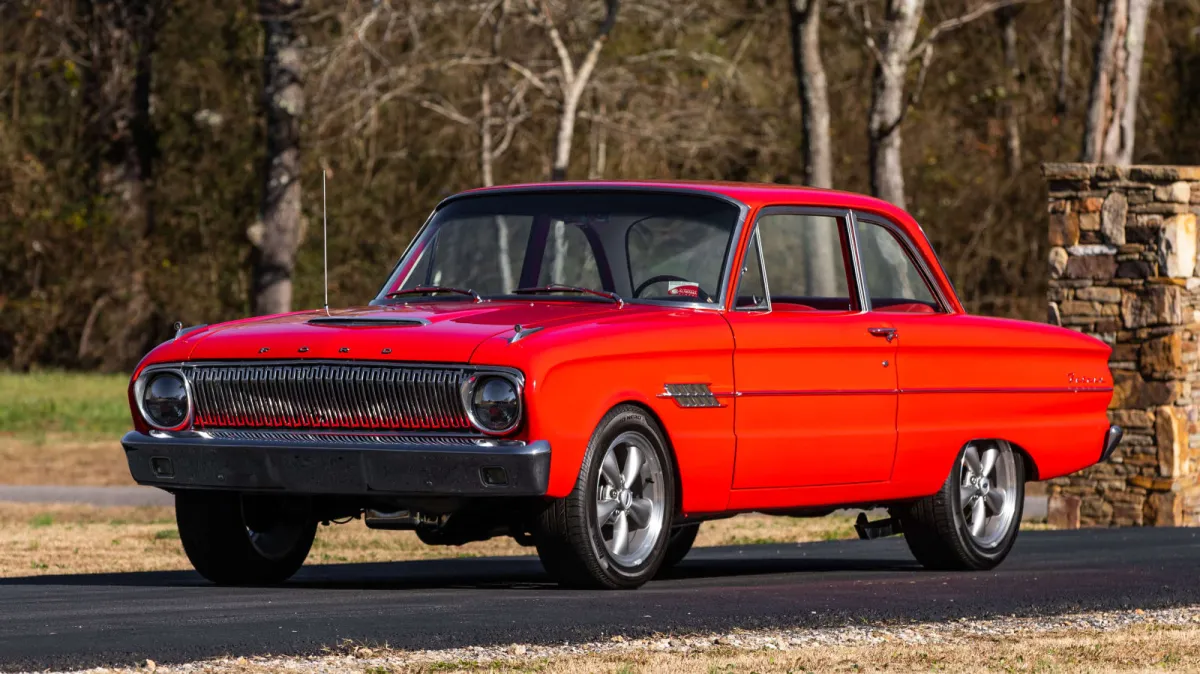 Photo: 1962 Ford Falcon, via images.mecum.com
If you had a basic toolkit, a repair manual from the auto parts store, and a free afternoon, you could do genuine work. Valve jobs, brake rebuilds, transmission swaps — these were things that happened in home garages across the country, not just in professional shops. The knowledge required was real, but it was learnable. It passed from fathers to sons, from older brothers to younger ones, from neighbors to neighbors over the fence.
Auto parts stores like NAPA and later AutoZone were built around this culture. They weren't just selling parts — they were supplying a nationwide network of amateur mechanics who expected to do the work themselves. The counterman who knew which gasket you needed for a '67 Mustang was a genuine resource, not a formality.
The Saturday Ritual
For millions of American families, working on the car was a social event as much as a practical one. It happened outdoors, visible to the neighborhood. Someone would wander over to see what you were doing. An opinion would be offered. A better tool would appear from a garage two doors down.
This was how mechanical knowledge actually spread — not through formal instruction, but through proximity and participation. A twelve-year-old handing wrenches was absorbing information he'd use twenty years later. The driveway was an informal apprenticeship that required no certification and charged no tuition.
There was also a pride embedded in it. Fixing your own car meant you weren't paying someone else to do what you could handle yourself. It was self-reliance made visible, parked in the driveway where the whole street could see the proof.
What Changed Under the Hood
The shift didn't happen overnight. Through the 1970s and into the 1980s, cars began to change in ways that gradually closed the door on the backyard mechanic.
Fuel injection replaced carburetors. Electronic ignition replaced distributors. Then came engine management computers, sensors, and increasingly complex electrical systems. By the 1990s, diagnosing a modern car without a code reader was becoming genuinely difficult. By the 2000s, it was nearly impossible for anything beyond basic maintenance.
Today's vehicles are extraordinary machines — safer, more efficient, and more reliable than anything Detroit produced in 1965. But they are also, deliberately or not, designed in ways that make amateur repair impractical. Engine bays are packed so tightly that changing a headlight bulb can require removing a wheel well liner. Some manufacturers have actively resisted right-to-repair legislation that would allow independent shops — let alone individuals — access to the diagnostic tools needed to service their vehicles.
The Saturday driveway project didn't just become harder. For many repairs, it became effectively impossible.
A Skill That Carried More Than It Seemed
What's easy to miss in this story is that the mechanical knowledge itself was almost secondary to what it represented. Working on your own car was an exercise in problem-solving, in patience, in the satisfaction of understanding how a complex thing functioned and making it work again with your own hands.
It was also one of the primary ways that working-class American men defined competence and identity. The guy who could fix anything in the driveway occupied a specific and respected position in the neighborhood social order. That role doesn't have a clean modern equivalent.
Some of it has migrated to other domains — home improvement, electronics repair, the maker movement. But none of those carry quite the same cultural weight that the car once did in American life. The car was freedom, status, identity, and independence all in one object. Knowing how to maintain it yourself was an extension of all of those things.
What We're Left With
Today, car ownership still matters deeply to most Americans. But the relationship has changed fundamentally. We use cars; we don't understand them. When something goes wrong, we hand the keys to a technician with a laptop. The diagnostic computer tells us what the problem is before any human instinct gets a chance to.
There's nothing wrong with that, exactly. Modern cars are genuinely complex, and professional technicians are genuinely skilled. But something was lost when the driveway mechanic disappeared — a form of hands-on literacy that connected people to the machines they depended on, and connected neighbors to each other in the process.
The oil stain on the concrete is still there in a lot of older driveways. The guy who made it is just not coming back.