Your Butcher Knew Your Dog's Name — How America's Meat Counters Became Anonymous
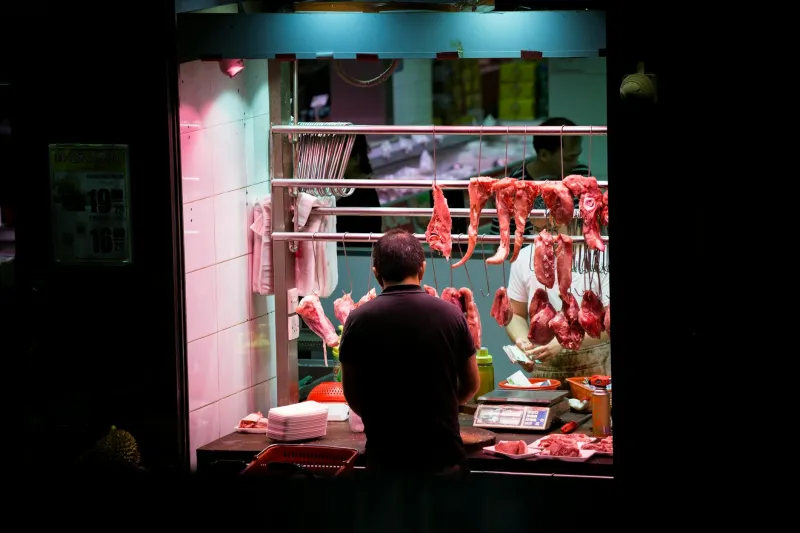
The Man Behind the Counter
Walk into any American supermarket today, and you'll find rows of pristine meat cases filled with identical plastic-wrapped packages. Each piece of beef, pork, or chicken sits under fluorescent lights, stamped with a price and sell-by date. It's efficient, convenient, and utterly impersonal.
But for most of America's history, buying meat meant something entirely different. It meant walking into a neighborhood shop where the man behind the counter — and it was almost always a man — knew not just your name, but your family's eating habits, your budget constraints, and probably your dog's name too.
When Meat Shopping Was a Conversation
The neighborhood butcher was part craftsman, part therapist, and part family friend. He'd greet Mrs. Johnson every Tuesday knowing she needed enough ground beef for her family of six, but would quietly suggest the cheaper cuts when times were tight. He remembered that the Kowalskis only bought kosher meat, that old Mr. Peterson couldn't chew anything too tough anymore, and that the newlyweds down the street were still learning to cook.
These weren't just transactions — they were relationships built over years, sometimes decades. A butcher would watch families grow, remembering when young couples became parents and adjusting their recommendations accordingly. "You'll want something easy tonight," he'd say to an exhausted mother of three, wrapping up pre-seasoned chops that would cook quickly.
The expertise ran deep. These men had served apprenticeships, learning not just how to cut meat, but how to read it. They could tell you which roast would be tender, which steaks were worth the splurge, and exactly how to cook that unusual cut they'd special-ordered just for you.
The Art of the Custom Cut
Today's pre-packaged portions would have baffled shoppers from earlier generations. In the butcher shop, everything was cut to order. Want your pork chops a little thicker? Done. Need that roast deboned and tied? No problem. Planning a special dinner and want something you've never seen in a supermarket? Your butcher would either have it or know how to get it.
This customization extended beyond just cutting. Butchers would grind fresh hamburger from cuts you selected, stuff sausages with family recipes, and even smoke meats in the back room. They carried specialty items that supermarkets would never stock — rabbit for Sunday dinner, fresh liver for the family cat, or soup bones that cost almost nothing but made stock that tasted like nothing you'd find in a can.
Credit, Trust, and Community Bonds
Perhaps most remarkably, these relationships operated on trust that seems almost quaint today. Many butchers ran informal credit systems, keeping handwritten tabs for regular customers. Mrs. O'Brien might run short before payday, but her butcher knew she was good for it. These weren't corporate payment plans with interest rates and credit checks — they were neighborhood agreements between people who'd known each other for years.
The butcher shop served as an informal community center. While waiting for their orders, neighbors would catch up on local news, share recipes, and get recommendations. The butcher often knew everyone's business — who was sick (and might need something easy to digest), who was celebrating (and deserved the good steaks), and who was struggling (and could use a "mistake" cut at a discount).
When Supermarkets Swallowed the Specialty
The transformation didn't happen overnight. Through the 1950s and 1960s, supermarkets gradually expanded their meat departments, offering the convenience of one-stop shopping. They could buy in massive volumes, pre-cut everything for efficiency, and offer lower prices than the corner butcher shop.
But something was lost in translation. The supermarket meat department might employ people with "butcher" name tags, but they were often more like grocery clerks who happened to work near the meat. The deep knowledge, the personal relationships, and the custom service disappeared behind plastic wrap and standardized portions.
What We Gained and Lost
Today's meat shopping is undeniably more convenient. You can buy chicken breasts at 2 AM if you want to, and the prices are often lower than what the corner butcher charged. The selection in a modern supermarket would amaze shoppers from 1950 — exotic cuts from around the world, organic options, and consistent quality.
But we've also lost something harder to quantify. We've lost the expertise that came with decades of experience, the relationships that made shopping feel personal, and the sense of community that centered around these neighborhood institutions. We've traded craftsmanship for convenience, relationships for efficiency.
The Remnants That Remain
A few traditional butcher shops still exist in America, often in upscale neighborhoods or ethnic communities that maintain old traditions. These surviving shops offer a glimpse of what we've lost — the personal service, the expert knowledge, and the sense that buying food is about more than just grabbing packages off a shelf.
Visit one of these remaining butcher shops, and you'll quickly understand what previous generations took for granted. The butcher will ask about your plans for the meat, suggest cooking methods, and remember your preferences for next time. It's a reminder that food shopping once involved human connections that went far beyond the checkout line.
The Efficiency We Chose
The disappearance of neighborhood butchers reflects a broader American transformation — the choice of efficiency over relationship, convenience over craft. We've gained speed and saved money, but we've also lost the daily human connections that once wove communities together. The butcher who knew your family's story has been replaced by a barcode scanner that knows only your purchase history.
In our remarkably changed world, we can buy meat 24/7 from gleaming cases, but we've lost the craftsman who could tell us stories while he wrapped our dinner. Progress, perhaps, but not without its price.