When Your Front Porch Was America's Loading Dock
The 6 AM Symphony
Every morning at dawn, American neighborhoods came alive with a carefully choreographed ballet of commerce. The milkman's truck rumbled down tree-lined streets, bottles clinking rhythmically as he jogged from porch to porch. By 7 AM, the iceman would follow, hauling massive blocks with steel tongs into kitchen iceboxes. Before most families finished breakfast, the bread truck, vegetable wagon, and coal delivery would complete their rounds.
This wasn't quaint nostalgia—it was economic necessity. In 1930, fewer than 8% of American homes had electric refrigerators. Most families owned iceboxes that required fresh ice every few days to prevent food spoilage. Without suburban supermarkets, which didn't emerge until the 1950s, households depended on specialized vendors who brought the marketplace to their doorstep.
The Neighborhood Economy
The home delivery system created intricate webs of personal relationships and local commerce. Milkmen didn't just drop off bottles—they knew each family's preferences, left extra cream when company was expected, and often served as informal neighborhood watchmen. The Borden Company employed over 100,000 milkmen nationwide in 1950, each responsible for roughly 150 regular customers.
Icemen developed legendary strength and endurance, carrying 25-pound blocks up multiple flights of stairs in tenement buildings. They knew exactly how much ice each household needed based on family size, entertaining habits, and seasonal patterns. Children would chase ice trucks on hot summer days, begging for chips to suck on—a free treat that created lifelong customer loyalty.
Beyond essentials, dozens of other services made regular rounds. The knife sharpener announced his arrival with a distinctive bell, setting up his grinding wheel on street corners. Fuller Brush men sold household products door-to-door, building relationships that lasted decades. Rag-and-bone collectors gathered scrap materials for recycling, while tinkers repaired pots, pans, and small appliances on the spot.
The Trust Economy
This system operated on remarkable levels of personal trust. Milkmen carried house keys for regular customers, entering kitchens to stock refrigerators while families slept. Payment often happened weekly or monthly, based on handshake agreements and detailed ledgers. Credit was personal—vendors knew which families were struggling and would quietly extend payment terms during hard times.
The Great Depression actually strengthened these relationships. When cash was scarce, families bartered services, garden produce, or household items for deliveries. Milkmen often served as informal banks, helping customers budget by controlling delivery frequency. "No milk today" wasn't just a song—it was a real economic signal that vendors understood and respected.
The Decline and Fall
Several forces converged to dismantle this intricate system. Mass-produced home refrigerators became affordable after World War II, eliminating the need for daily ice delivery. Suburban expansion scattered customers across wider distances, making routes less efficient. The rise of supermarkets offered one-stop shopping with lower prices than specialized vendors could match.
Labor costs accelerated the decline. As wages rose in the 1960s, the economics of door-to-door delivery became unsustainable for everyday goods. Companies shifted to centralized distribution models that prioritized efficiency over personal service. The last major milk delivery routes disappeared from most American cities by 1980.
What We Traded Away
Modern convenience has undeniably improved our lives. Today's supply chains deliver exotic foods from around the world to 24-hour supermarkets. Amazon Prime can put almost any product on your doorstep within days, if not hours. We spend far less time and money on basic necessities than previous generations.
Yet something intangible was lost in translation. The daily interactions with tradespeople created social connections that extended beyond commerce. Neighborhoods had natural rhythms and shared experiences—everyone knew when the milkman was running late or when the ice truck broke down. These routine encounters built community bonds that suburban isolation and digital commerce struggle to replicate.
The environmental impact tells a complex story. While modern supply chains are more fuel-efficient per unit delivered, they've also enabled massive increases in consumption and packaging waste. Those returnable milk bottles and reusable ice containers represented a circular economy that we're only now trying to recreate.
The New Delivery Revolution
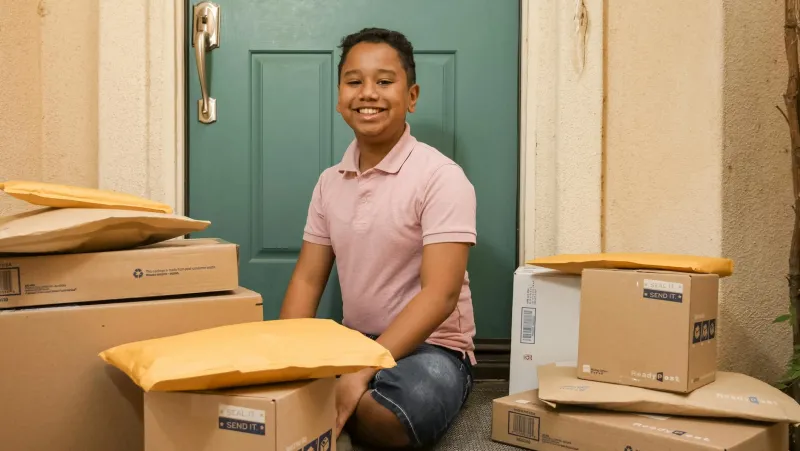
Today's on-demand economy bears surprising resemblance to the old door-to-door system. Food delivery apps, grocery services, and subscription boxes have brought commerce back to our doorsteps. Yet these modern services lack the personal relationships and community connections that defined the earlier era.
Today's delivery drivers are gig workers with algorithms, not neighbors with route books. We tap screens instead of chatting on porches. The convenience is remarkable, but the human element—the milkman who knew your family's story, the iceman who taught your kids about hard work—has been optimized away.
In our rush toward efficiency, we may have lost something that no app can deliver: the daily reminder that we're part of a community, connected by more than just commerce.