When Lunch Meant Something — How America Lost Its Most Sacred Midday Hour
When Lunch Meant Something — How America Lost Its Most Sacred Midday Hour
Walk through any American business district at noon today, and you'll see a familiar sight: workers hunched over desks, wolfing down sad salads from plastic containers while frantically typing emails. Drive past any strip mall, and you'll witness the modern lunch ritual — a hurried parade of cars snaking through drive-through lanes, engines idling as people grab bags of food they'll eat with one hand while steering with the other.
This wasn't always how America did lunch. Not even close.
The Golden Age of the Midday Break
For most of the 20th century, lunch in America was something approaching sacred. From the 1920s through the 1980s, the lunch break wasn't just a brief pause in the workday — it was a genuine social institution that shaped the rhythm of American life.
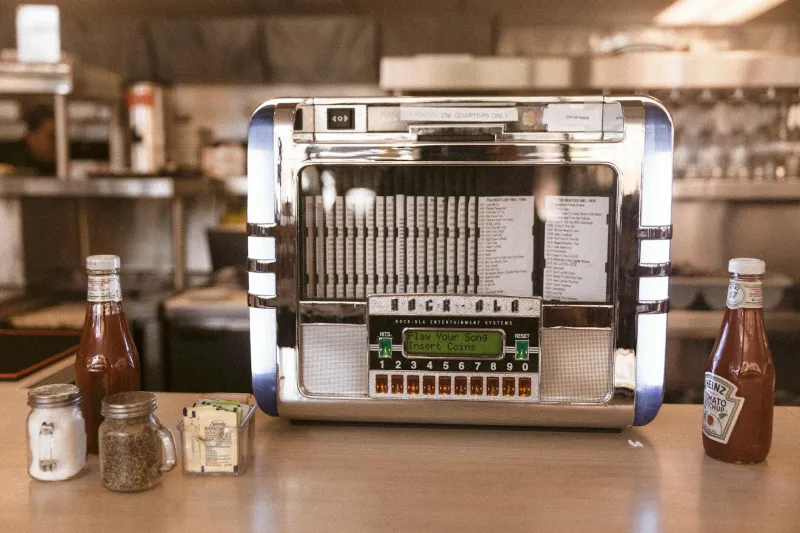
Every town had them: lunch counters lined with red vinyl stools, neighborhood diners with their daily specials scrawled on chalkboards, and company cafeterias where workers from different departments actually sat together. These weren't just places to grab food; they were community centers that came alive at noon.
The ritual was remarkably consistent across the country. At 12:00 sharp, factory whistles would blow, office workers would lock their desks, and America would sit down to eat. Not at their workspace, not in their cars, but at actual tables with actual people. The lunch hour — and it really was a full hour — was as much a part of the American workday as the morning commute.
Where Everyone Knew Your Order
Think about what made these places special. At Murphy's Diner on Main Street, the waitress knew you wanted your coffee black and your eggs over easy before you walked through the door. The guy who ran the lunch counter at Woolworth's remembered that you always skipped the pickles. These relationships weren't just transactional — they were part of the social fabric that held communities together.
The food itself tells a story too. Hot meals were the standard, not the exception. Meatloaf and mashed potatoes, grilled cheese and tomato soup, pot roast with vegetables — substantial dishes that required time to eat properly. The very architecture of these meals demanded that you slow down, sit still, and focus on the act of eating.
Lunch counters served more than food; they served as informal town halls. This was where you caught up on neighborhood gossip, debated local politics, and learned about job openings. The pharmacist sat next to the bank clerk, who chatted with the secretary from the insurance office. These daily interactions created connections that extended far beyond the lunch hour.
The Great Acceleration
Somewhere along the way, America decided that lunch was inefficient.
The shift didn't happen overnight, but by the 1990s, the writing was on the wall. Corporate culture began celebrating the "working lunch" — meetings disguised as meals where the food was secondary to the agenda. The rise of personal computers meant workers could eat at their desks while staying "productive." Fast food chains, once primarily dinner destinations, began aggressively marketing lunch options designed for speed rather than satisfaction.
The numbers tell the story. In 1960, the average American lunch break lasted 87 minutes. By 2020, it had shrunk to just 36 minutes — and that includes the time spent acquiring the food, not just eating it. More than half of American workers now eat lunch at their desks at least three times a week.
What We Traded Away
Today's lunch "solutions" would be unrecognizable to previous generations. Meal replacement bars eaten between meetings. Salads from vending machines. Apps that deliver lukewarm sandwiches to office lobbies. The very language has changed — we don't "have lunch" anymore, we "grab lunch" or "do lunch," as if eating has become another task to optimize rather than a human need to honor.
The social cost of this transformation runs deeper than we might realize. Those daily interactions at lunch counters and diners weren't just pleasant small talk — they were the threads that wove communities together. When the local hardware store owner sat next to the elementary school teacher every Tuesday at Romano's Café, they built relationships that strengthened the entire town's social network.
We've also lost something more personal: the simple pleasure of a genuine break. The old lunch hour wasn't just about nutrition; it was about stepping away from work, clearing your head, and returning refreshed. Research consistently shows that workers who take proper lunch breaks are more productive, more creative, and less stressed — yet the practice continues to decline.
The Price of Efficiency
The modern approach to lunch reflects broader changes in how Americans think about work, time, and community. We've optimized for speed and convenience, but we've sacrificed connection and restoration. The lunch counter that once anchored every Main Street has been replaced by chain restaurants in shopping centers, where workers eat alone while scrolling through their phones.
Some cities are trying to recapture what was lost. Food trucks create temporary gathering spots. Some companies are bringing back communal dining spaces. A few entrepreneurs are opening old-style diners complete with lunch counters and daily specials.
But these efforts feel like attempts to recreate something we didn't fully appreciate until it was gone — the simple, profound pleasure of sitting down in the middle of the day, sharing a proper meal with neighbors and colleagues, and remembering that work is just one part of a life well-lived.
The lunch counter that once fed America wasn't just serving food. It was serving community, connection, and the radical idea that everyone deserves an hour in the middle of the day to be human.