When the Lights Went Out, America Came Together — The Lost Community of Shared Darkness
The Sound of Silence
The hum stopped first. That constant electrical background noise of modern life — refrigerators cycling, air conditioners running, television sets warming up — would suddenly cut out, leaving an almost shocking quiet that seemed to press against your eardrums.
Then came the ritual that every American family knew by heart: the pause, the hopeful flicking of light switches that everyone knew wouldn't work, and the inevitable acceptance that the power was really, truly gone.
But here's what younger generations might find impossible to believe: people smiled when this happened.
The Democracy of Darkness
In 1965, when the Great Northeast Blackout plunged 30 million Americans into darkness, something remarkable happened. Instead of panic, there was community. Instead of isolation, there was connection. Strangers helped strangers navigate dark stairwells. Restaurants gave away food before it spoiled. People gathered in hotel lobbies and apartment building courtyards, sharing candles and stories.
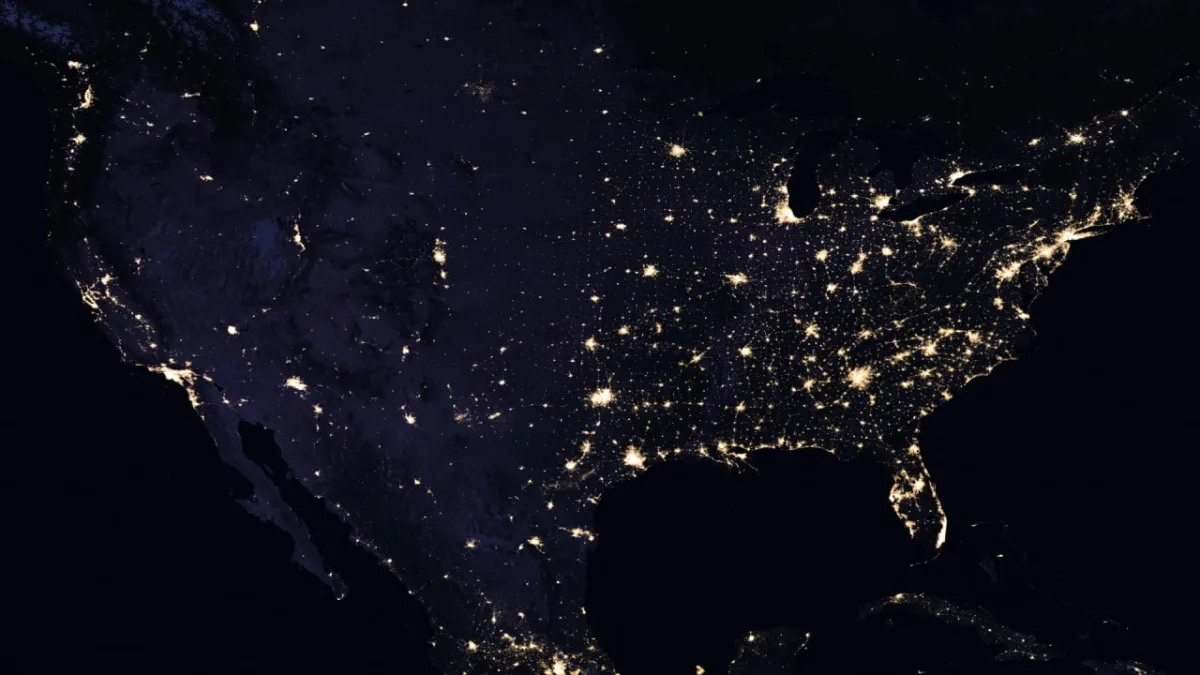 Photo: Great Northeast Blackout, via images.fastcompany.net
This wasn't unique to major disasters. Even routine power outages — the kind caused by summer storms or equipment failures — transformed neighborhoods in ways that seem almost magical by today's standards.
When the lights went out on Maple Street, every house went dark together. No one had backup generators humming in their backyards. No one was hunched over laptop screens, burning through battery power to stay connected. The entire block experienced the same sudden shift from electric life to something more elemental.
The Candle Economy
Every American household maintained what amounted to a blackout survival kit, though no one called it that. Flashlights lived in kitchen drawers next to batteries that may or may not have been dead. Candles occupied special places in linen closets — not the decorative kind that cost thirty dollars at boutique stores, but practical white emergency candles bought in bulk from the hardware store.
When darkness fell, these items emerged like actors taking the stage. Children who normally fought bedtime would eagerly help light candles, turning the familiar house into something mysterious and adventurous. The warm, flickering light made even the most ordinary living room feel like a frontier cabin.
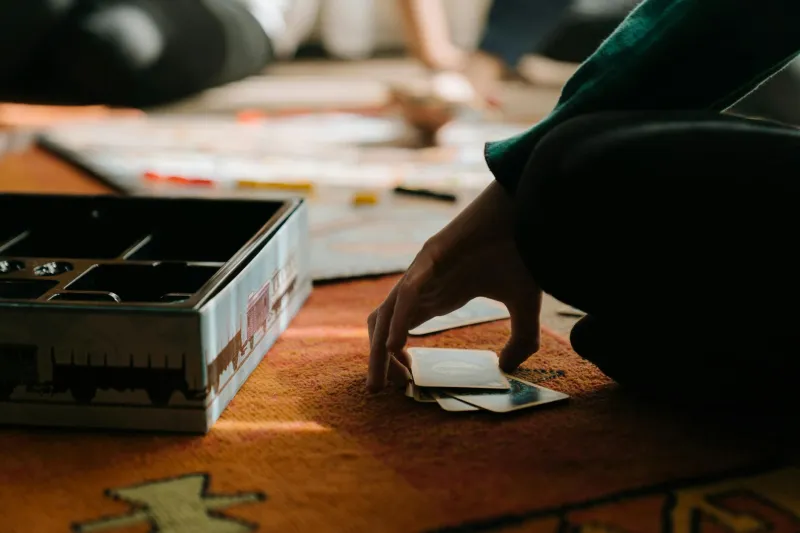
Families would gather around kitchen tables lit by candlelight, playing board games that hadn't been touched in months. Monopoly by candlelight. Scrabble in the flickering shadows. Card games that went on for hours because there was literally nothing else competing for attention.
When Neighbors Were News
Without television news or internet updates, information traveled through the most ancient network of all: human conversation. Someone would venture outside to check if the whole street was dark, then return with intelligence gathered from other front-porch explorers.
"The Johnsons say it's out all the way to Main Street."
"Mrs. Peterson heard from her sister across town — they've got power over there."
"Bob from the corner house works for the electric company. He says they're working on it."
These human news networks created a different relationship with uncertainty. Instead of frantically refreshing outage maps on smartphones, people simply accepted that they'd know more when they knew more. The waiting became part of the experience rather than a source of anxiety.
The Great Refrigerator Gamble
Every power outage triggered the same household debate: when do you give up and eat everything in the freezer before it spoils? Families would hold councils of war around open refrigerator doors, flashlights illuminating ice cream containers and frozen vegetables while parents calculated how long the cold might last.
Smart neighbors coordinated these efforts. If the Smiths had a gas grill and the Joneses had steaks that wouldn't keep, an impromptu neighborhood barbecue would materialize. Children would run between houses carrying plates of food, creating an accidental block party that outlasted the actual power outage.
These forced feasts built community in ways that planned social events never quite managed. When you've shared emergency ice cream with your neighbor at 2 PM on a Tuesday, you've crossed some invisible social threshold that changes the relationship permanently.
The Lost Art of Sitting Still
Perhaps most remarkably, people during power outages simply sat and talked. Without the constant pull of screens, entertainment devices, or even adequate lighting for reading, families rediscovered conversation as a primary activity.
Parents told stories from their own childhoods. Grandparents shared family history that normally competed with television for attention. Children, freed from the structured activities that filled their days, invented games using shadows on walls or created elaborate stories about life in the pre-electric world.
These conversations had a different quality than normal family talk. The darkness created intimacy. The shared inconvenience lowered everyone's defenses. Topics that might never come up during regular dinner conversation emerged naturally when there was literally nothing else to do but talk.
The Modern Panic Response
Today's power outages trigger an entirely different social response. The first instinct isn't to light candles and gather the family — it's to check your phone's battery percentage and calculate how long you can stay connected.
Modern Americans experience power outages as personal emergencies rather than community events. We have backup batteries for our devices, generators for our houses, and mobile hotspots for our internet. We've engineered solutions that allow us to maintain our individual digital lives even when the shared electrical infrastructure fails.
But in solving the technical problem of power outages, we've eliminated their unexpected social benefits. When your neighbor's generator kicks on and their house lights up while yours remains dark, the outage stops being a shared experience and becomes a reminder of inequality.
What Darkness Taught Us
Those old-fashioned power outages served as accidental lessons in resilience, community, and the difference between needs and wants. They reminded Americans that survival was possible — even pleasant — with much less than they normally consumed.
Children who experienced regular blackouts grew up with a different relationship to technology and convenience. They knew that electric life was wonderful but not essential. They understood that entertainment could be created rather than consumed. They had practiced the lost art of being bored together.
When the lights came back on — and they always did — there was a moment of almost disappointment mixed with relief. The house would flood with electric light, the refrigerator would resume its humming, and normal life would reassert itself. But something about the experience lingered, a reminder that there were other ways to live, other rhythms to follow, other kinds of connection possible in the spaces between our electric conveniences.
In our rush to eliminate the inconvenience of power outages, we may have eliminated something more valuable: the regular reminder that community emerges naturally when individual solutions fail, and that darkness shared is somehow less dark than darkness faced alone.