When Americans Carried Libraries in Their Heads — The Lost Art of Human Memory
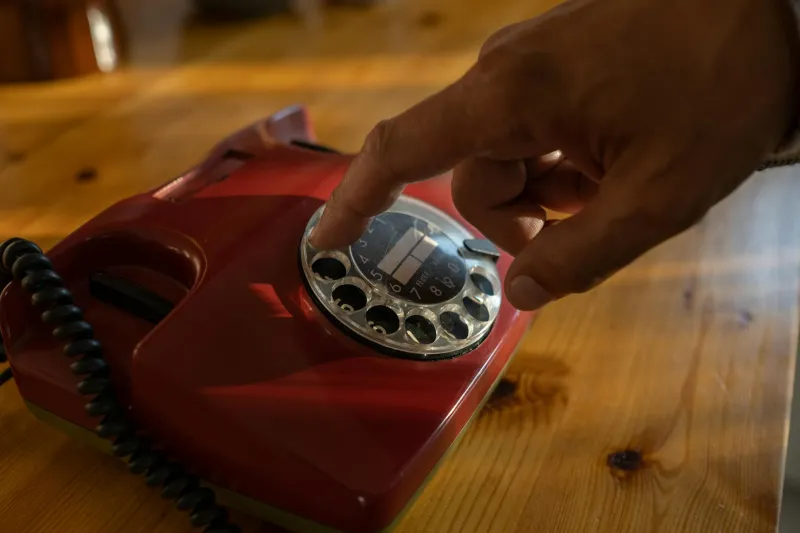
Close your eyes and try to recall your mother's phone number from memory. Not the one saved in your contacts — the actual digits. Chances are, unless she's kept the same number for decades, you're drawing a blank. Now imagine your grandmother in 1975, who could rattle off not just every family member's number, but also her doctor, dentist, insurance agent, favorite restaurant, and the hardware store that delivered on Tuesdays.
The Mental Rolodex Generation
Before smartphones turned our brains into lazy librarians, Americans maintained vast internal databases of essential information. The average person carried dozens of phone numbers in their head, along with birthdays, anniversaries, addresses, and driving directions that could span multiple states. This wasn't considered remarkable — it was simply how functional adults navigated daily life.
Phone numbers alone required serious mental real estate. Seven-digit local numbers, ten-digit long distance numbers, plus area codes that actually meant something geographical. Families developed elaborate systems for remembering important numbers: musical patterns, word associations, or simple repetition until the digits became automatic muscle memory.
Sarah Mitchell, now 73, recalls her mental phone book from the 1970s: "I knew every number by heart — my husband's office, both sets of parents, my sister in California, the pediatrician, the babysitter, our insurance agent, the pharmacy that stayed open late, and at least a dozen friends. When we traveled, I'd memorize the hotel number and the rental car company. It wasn't hard work; it was just what you did."
Navigation by Landmark and Logic
Before GPS turned us all into passengers in our own cars, Americans navigated using mental maps built from experience, observation, and carefully memorized directions. Getting somewhere new required advance planning: studying physical maps, writing down turn-by-turn directions, and identifying landmarks that would confirm you were on the right track.
Road trips demanded serious geographical knowledge. Drivers knew which highways connected major cities, could estimate travel times based on distance and traffic patterns, and maintained mental inventories of gas stations, restaurants, and motels along familiar routes. Getting lost wasn't a minor inconvenience resolved by a robotic voice — it required map-reading skills, compass awareness, and the ability to retrace your route.
Directions themselves were works of art. "Take Highway 9 north until you see the big red barn, then turn left at the Texaco station. Go about three miles until you cross the railroad tracks, then watch for a white house with blue shutters on your right. The driveway is just past that." These verbal maps required both the giver and receiver to maintain detailed mental pictures of landscapes and landmarks.
The Human Calendar System
Birthdays, anniversaries, appointments, and social obligations lived entirely in human memory, supported by wall calendars and pocket planners that required active engagement rather than passive reminders. People developed sophisticated mental scheduling systems, often organized around weekly and seasonal patterns.
Mothers, in particular, became family database managers. They remembered not just immediate family birthdays, but also extended relatives, friends' children, and important dates for school events, medical appointments, and social commitments. This information was actively maintained and regularly accessed, creating strong neural pathways that kept details fresh and accessible.
Holiday planning required months of mental preparation. Christmas gift lists, Thanksgiving guest counts, and summer vacation schedules existed primarily in people's heads, updated through ongoing mental review and occasional written notes. The idea of forgetting your nephew's birthday or missing your annual physical exam felt like genuine personal failure rather than a simple calendar oversight.
The Cognitive Athletics of Daily Life
This constant mental exercise created a kind of cognitive athleticism that most Americans maintained without conscious effort. Brains worked harder because they had to. Memory wasn't just storage — it was an active, daily-use skill that strengthened through constant practice.
Restaurant orders required memorization skills that seem almost superhuman today. Waitresses carried complex orders for entire tables without writing anything down, remembering not just main dishes but also modifications, side substitutions, and drink preferences. Customers knew their regular orders by heart and could recite them quickly and clearly.
Shopping lists lived in people's heads, organized by store layout and family preferences. Mothers knew which brands their families preferred, which stores carried specific items, and could estimate grocery budgets down to the dollar without calculators or price-checking apps.
When Memory Became Optional
The transition to digital dependency didn't happen overnight. Early cell phones simply replaced the need to memorize phone numbers, but GPS navigation, contact lists, and calendar apps gradually absorbed more mental functions. Each technological convenience eliminated a small piece of cognitive exercise, creating a gradual atrophy of memory skills.
Today's smartphones function as external brains, storing not just phone numbers and directions, but also birthdays, appointments, shopping lists, and even basic mathematical calculations. We've gained tremendous convenience but lost the mental discipline that came with maintaining our own internal databases.
The shift became particularly apparent during travel. Modern Americans can navigate complex international trips using nothing but smartphone apps, but many couldn't find their way home without GPS if their phone died. The mental maps and directional skills that previous generations took for granted have largely disappeared.
What We Lost in Translation
Beyond simple information storage, the decline of active memory affected how we relate to information itself. When details lived in our heads, they became part of our identity. Your grandmother didn't just know her friends' phone numbers — she knew them so thoroughly that dialing became automatic, creating deeper connections between memory and relationship.
The mental effort required to maintain this information also created stronger neural pathways and better overall cognitive function. Brains that worked harder stayed sharper longer. The "use it or lose it" principle of cognitive health was built into daily life rather than requiring deliberate exercise.
Memory also created independence that we've quietly surrendered. Previous generations could function fully without external devices, making decisions and navigating challenges using only their accumulated knowledge and experience. Today's digital dependency means that phone battery life affects our ability to perform basic adult functions.
The Remarkable Capacity We've Forgotten
Perhaps most remarkably, the human brain's capacity for useful memory was far greater than most people realize today. Americans routinely maintained detailed mental inventories that would seem impossible to smartphone-dependent generations. This wasn't because previous generations were smarter — they simply exercised mental muscles that we've allowed to atrophy.
The implications extend beyond nostalgia. In an era of information overload and digital distraction, there's something powerful about the focused attention and cognitive independence that came with maintaining our own mental libraries. While we can't — and shouldn't — abandon digital convenience, remembering what human memory could accomplish might inspire us to exercise our minds more intentionally.
After all, your smartphone might know where you're going, but only your brain knows where you've been.