The Store Where Christmas Lived Year-Round
The Cathedral of Childhood Dreams
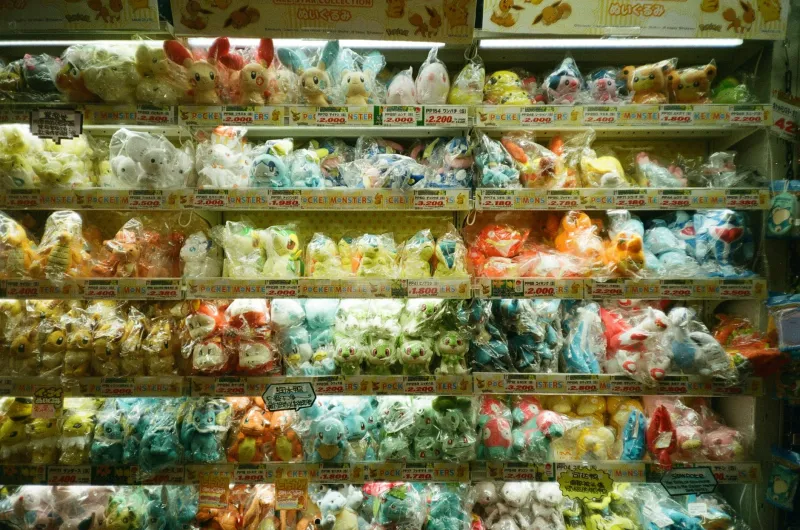
Step into a dedicated toy store in 1970s America, and you entered a different universe. Wall-to-wall shelves stretched toward impossibly high ceilings, packed with every conceivable plaything a child could imagine. The air smelled like new plastic and possibility. Most importantly, you couldn't just point and click — you had to choose, and choosing meant something.
These weren't the toy aisles tucked into the back corners of today's big-box stores. They were destinations unto themselves, places families drove across town to visit, where children pressed their noses against windows for weeks before special occasions, mentally spending their allowance money dozens of different ways.
The Ritual of Wanting
Before the internet collapsed the distance between desire and fulfillment, wanting something required patience and planning. Children would spend months circling items in toy catalogs, debating with friends about the merits of different action figures, and calculating how many weeks of allowance money their dream purchase would require.
The toy store visit became a carefully orchestrated expedition. Parents would announce it days in advance: "Saturday, we're going to Toys'R'Us." The anticipation built like Christmas morning, except you had to bring your own money and make your own choices.
Where Decisions Had Weight
Walking those aisles with limited funds meant every decision carried real consequence. Do you buy the smaller toy you can afford today, or save up three more weeks for the bigger one you really want? Do you stick with the sure thing you've been planning to buy, or risk it all on something new you just discovered?
These weren't abstract choices. The money in your pocket represented weeks of chores, birthday gifts carefully saved, or allowances hoarded with the discipline of a Wall Street investor. Spending it wrong meant living with regret until your next opportunity — which might be months away.
 Photo: Wall Street, via www.thewallstreetexperience.com
The Democracy of the Toy Aisle
Toy stores served as great equalizers in ways that modern shopping can't replicate. Rich kids and poor kids stood in the same aisles, facing the same choices, limited by their own personal budgets rather than their parents' credit cards. Everyone had to make trade-offs. Everyone had to prioritize.
The social dynamics were fascinating to watch. Children would negotiate with siblings about pooling resources for bigger purchases. They'd seek advice from other kids about which toys were worth the investment. They'd form temporary alliances with complete strangers who shared their enthusiasm for particular brands or characters.
When Toys Told Stories
The physical layout of toy stores created natural narratives. Action figure sections became miniature battlegrounds where children played out elaborate scenarios with merchandise they couldn't afford to buy. Board game aisles invited impromptu strategy sessions. The doll section became a community space where children shared stories about their existing toys and imagined futures for potential new ones.
Employees often became unofficial toy consultants, offering advice about which purchases would provide the most lasting entertainment value. They knew which toys broke easily, which ones got boring quickly, and which ones became treasured companions for years.
The Season of Miracles
Christmas transformed toy stores into something approaching religious experiences. The stakes felt enormous because most children knew this was their one major opportunity of the year. The careful curation of Christmas lists became a strategic exercise in hope and probability.
Parents would bring children to "look but don't touch" reconnaissance missions, gathering intelligence about what their kids really wanted versus what they claimed to want. Children learned to read adult facial expressions, interpreting subtle cues about which requests might be realistic and which were pure fantasy.
What Instant Gratification Replaced
Today's children grow up in a world where most toys can be delivered within 48 hours of being desired. Amazon's recommendation algorithms suggest new wants before old ones have been fully explored. The friction between wanting and having has been almost entirely eliminated.
This efficiency comes with hidden costs. When everything is available immediately, nothing feels particularly special. When choices can be easily undone with return policies and replacement orders, decisions lose their weight. When parents can secretly fulfill wish lists without children's knowledge or participation, the anticipation disappears.
The Skills We Stopped Teaching
The old toy store experience taught valuable life skills that modern consumption patterns struggle to replicate: budgeting, prioritizing, delayed gratification, and living with consequences. Children learned to research their purchases, compare options, and make decisions they'd have to live with.
They also learned social skills that online shopping can't provide: how to ask for help, how to negotiate with family members, how to handle disappointment gracefully when their first choice wasn't available or affordable.
The Community We Lost
Toy stores served as informal community centers where families from different neighborhoods would converge. Parents struck up conversations while their children played with display models. Grandparents sought advice about what toys today's kids actually wanted. Siblings learned to compromise and share decision-making authority.
These interactions created a sense of shared experience around childhood that extended beyond individual families. Everyone understood the ritual of saving up for something special, the agony of choice, and the joy of finally bringing home a long-desired treasure.
The Memory Palace of Play
Perhaps most importantly, the physical toy store created lasting memories that online shopping simply cannot match. The smell of new toys, the overwhelming visual feast of packed shelves, the weight of holding your allowance money while making life-or-death decisions about how to spend it — these sensory experiences became part of childhood's emotional landscape.
Today's children will remember clicking "add to cart" and waiting for delivery trucks. But will they remember the anticipation, the journey, the careful consideration that once made getting a new toy feel like earning it? In our rush to make everything easier, we may have accidentally made it less meaningful.