Before Parents Became Data Analysts of Their Own Children

The Ritual of the Folding Chair
Every October and March, Lincoln Elementary's hallways would fill with an unmistakable energy. Parents shuffled nervously outside classroom doors, clutching appointment cards and checking their watches. Inside, Mrs. Henderson had arranged two adult-sized chairs facing her desk—a setup that transformed her second-grade classroom into something closer to a therapist's office than a learning space.
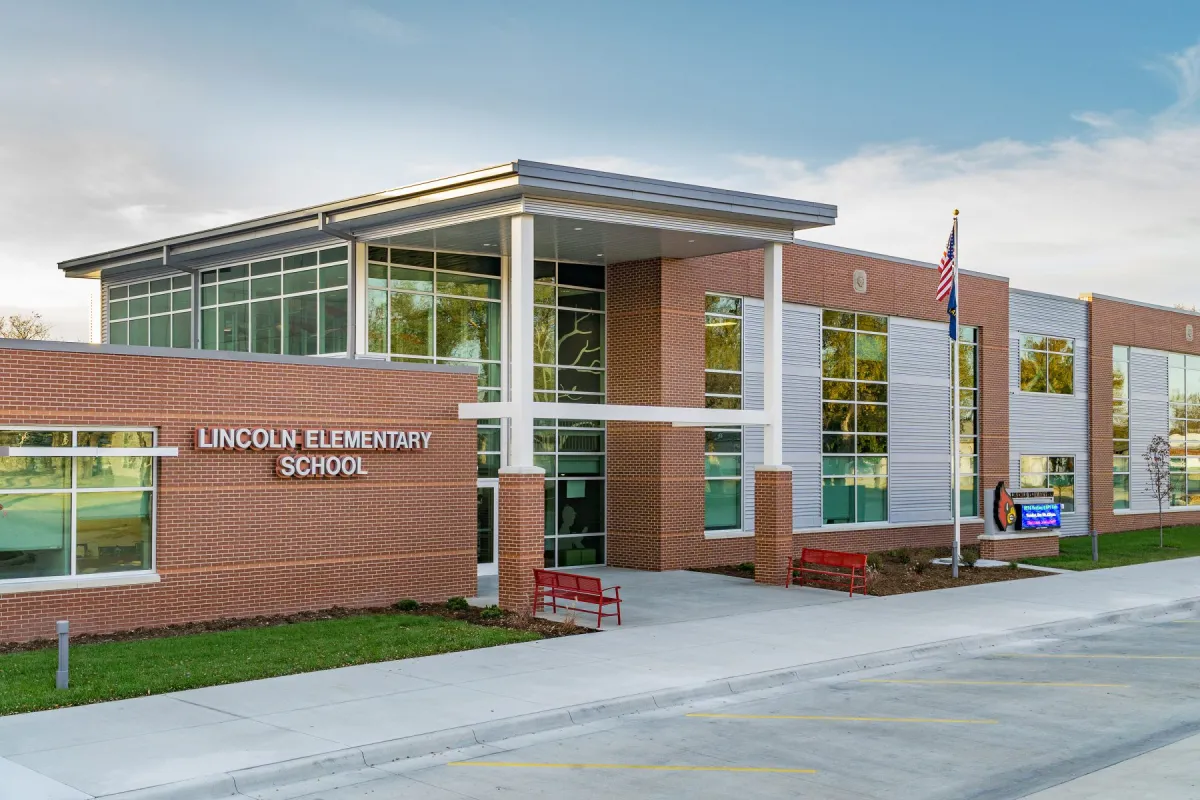 Photo: Lincoln Elementary, via gmcnarchitects.com
Those twenty-minute conversations were America's educational heartbeat. No data dashboards, no automated progress reports, no real-time grade updates pinging your phone at 11 PM. Just two adults who cared about the same child, sitting down to really talk.
When Teachers Knew Your Kid's Story
Mrs. Henderson didn't just know that Tommy was struggling with multiplication tables. She knew he perked up during story time, that he always offered to help classmates who dropped their pencils, and that he'd been quieter than usual since his grandmother moved to the nursing home. This wasn't information she'd gleaned from a student data management system—it came from spending six hours a day, five days a week, actually watching Tommy be himself.
Parent-teacher conferences weren't about grades, because grades told only part of the story. They were about understanding the whole child. "Jenny's reading level is progressing nicely," Mrs. Henderson might say, "but I've noticed she rushes through math assignments to get to the class library. She seems to lose confidence when problems take more than a few minutes to solve."
That kind of insight couldn't be captured in a gradebook. It required human observation, pattern recognition, and the kind of professional intuition that develops only through years of watching children learn.
The Art of the Twenty-Minute Deep Dive
Those conferences had a particular rhythm. The first few minutes covered the obvious stuff—reading progress, math skills, social interactions. But the real value came in the middle fifteen minutes, when conversation moved beyond academics into character, motivation, and growth.
"David's been asking really thoughtful questions about our unit on communities," a teacher might observe. "He seems especially interested in how people solve problems together. Have you noticed anything like that at home?" Suddenly, parents would recognize patterns they'd missed, connections between their child's school personality and home behavior.
Teachers, meanwhile, gained crucial context. Learning that Sarah's family had just moved from another state explained her recent reluctance to participate in group activities. Discovering that Michael's father worked night shifts shed light on his occasional morning drowsiness.
When Progress Had a Human Face
The beauty of those twice-yearly conversations was their irreplaceable humanity. A teacher could watch a parent's face light up when hearing about their child's kindness to a struggling classmate. Parents could see genuine affection in their teacher's voice when describing their child's curiosity or persistence.
These weren't customer service interactions. They were collaborations between adults who shared investment in a specific child's growth. The teacher brought professional expertise and daily observation. Parents brought intimate knowledge of their child's personality, family dynamics, and developmental history.
The Digital Revolution Arrives
Sometime in the late 1990s, everything began changing. First came online gradebooks that let parents check their child's progress without waiting for report cards. Then automated email alerts when assignments went missing. Soon, real-time dashboards displayed everything: test scores, homework completion rates, behavioral incidents, even cafeteria purchases.
The promise was transparency and engagement. Parents could stay informed without waiting months between updates. Teachers could communicate more efficiently with dozens of families. Students couldn't hide poor performance until report card day.
And in many ways, the promise delivered. Parents gained unprecedented visibility into their child's daily school experience. Communication became more frequent and detailed.
What Got Lost in Translation
But something essential disappeared in the digitization: context. A grade of 73% on a math quiz tells you nothing about whether your child understood the concepts but made careless errors, or struggled fundamentally with the material, or had a fight with their best friend that morning and couldn't concentrate.
Modern parent portals overflow with data but starve parents of insight. You can see that your daughter turned in her science project late, but not that she spent extra time helping a classmate understand the assignment first. You know your son's reading level according to standardized assessments, but not that he's become the unofficial class storyteller during free reading time.
The Paradox of More Information, Less Understanding
Today's parents receive more frequent communication from schools than any generation in history. Automated emails announce upcoming field trips, remind about assignment due dates, and alert about grade changes. Parent portals provide real-time access to attendance records, lunch account balances, and behavioral incident reports.
Yet many parents report feeling less connected to their child's school experience than their own parents did with far less information. The data stream is constant, but the human interpretation is largely missing.
When Efficiency Replaced Insight
The shift from conferences to digital communication reflected broader cultural changes. American life accelerated, and sitting down for twenty-minute conversations twice a year began feeling inefficient. Why wait for scheduled meetings when you could get updates instantly?
Schools, facing larger class sizes and administrative burdens, embraced digital tools that let one teacher communicate simultaneously with hundreds of parents. The economics made sense: automated systems could deliver more information to more families with less staff time.
But efficiency and effectiveness aren't the same thing. A automated alert that your child missed a homework assignment provides information. A teacher explaining that your child has been unusually distracted lately, possibly because of changes in friend groups, provides understanding.
The Irreplaceable Value of Sitting Still
Those old-fashioned parent-teacher conferences forced something that digital communication can't replicate: focused, uninterrupted conversation about a specific child. For twenty minutes, two adults who cared about the same kid sat down and really talked.
No phone notifications, no multitasking, no character limits or automated responses. Just human beings sharing observations, concerns, and hopes for a child's growth.
In our rush toward digital efficiency, we've gained unprecedented access to educational data. But we've lost something harder to quantify: the irreplaceable insight that comes when caring adults take time to really see—and discuss—the whole child.