The Kitchen Bible That Fed America — When One Dog-Eared Cookbook United Every Family Table
The Book That Lived in Every Kitchen
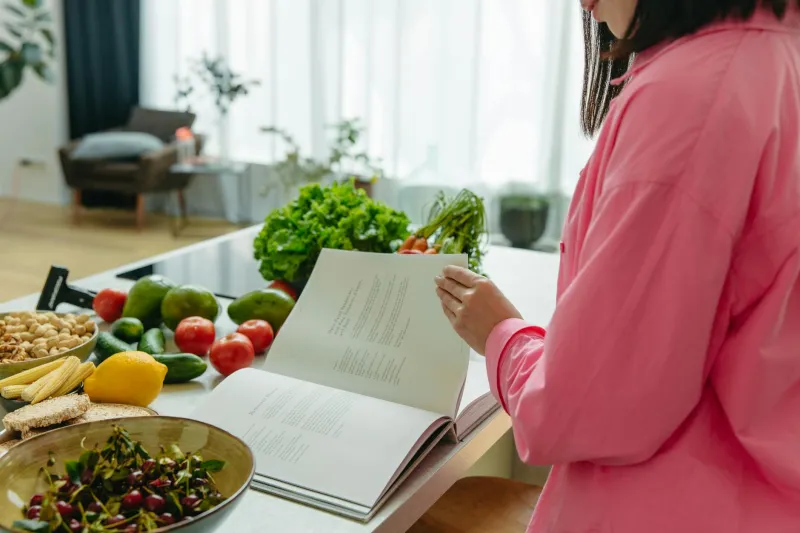
Open any American kitchen cabinet between 1950 and 1990, and you'd find it: a single, thick cookbook with a cracked spine and pages soft from decades of flour-dusted fingers. Maybe it was the red-and-white checkered Betty Crocker Cookbook. Perhaps the authoritative blue cover of Joy of Cooking. Or possibly the practical spiral binding of The Fannie Farmer Cookbook.
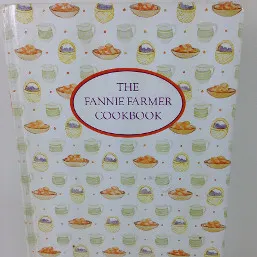 Photo: The Fannie Farmer Cookbook, via ischool.uw.edu
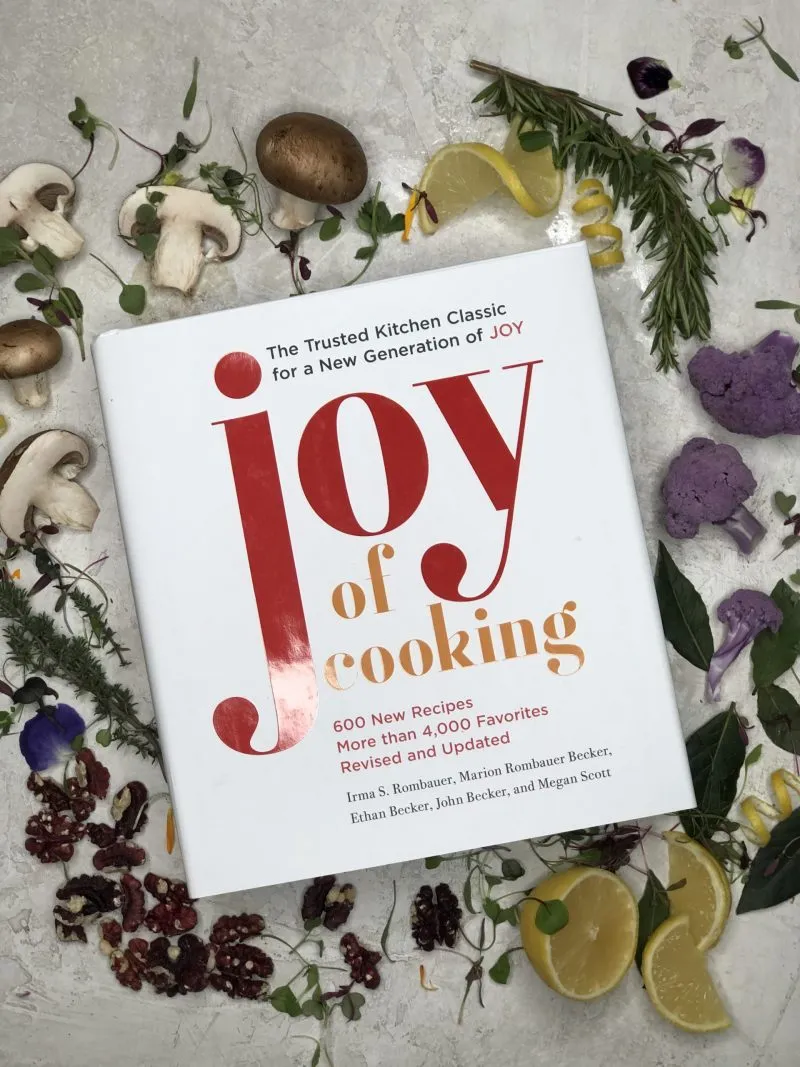 Photo: Joy of Cooking, via myimperfectkitchen.com
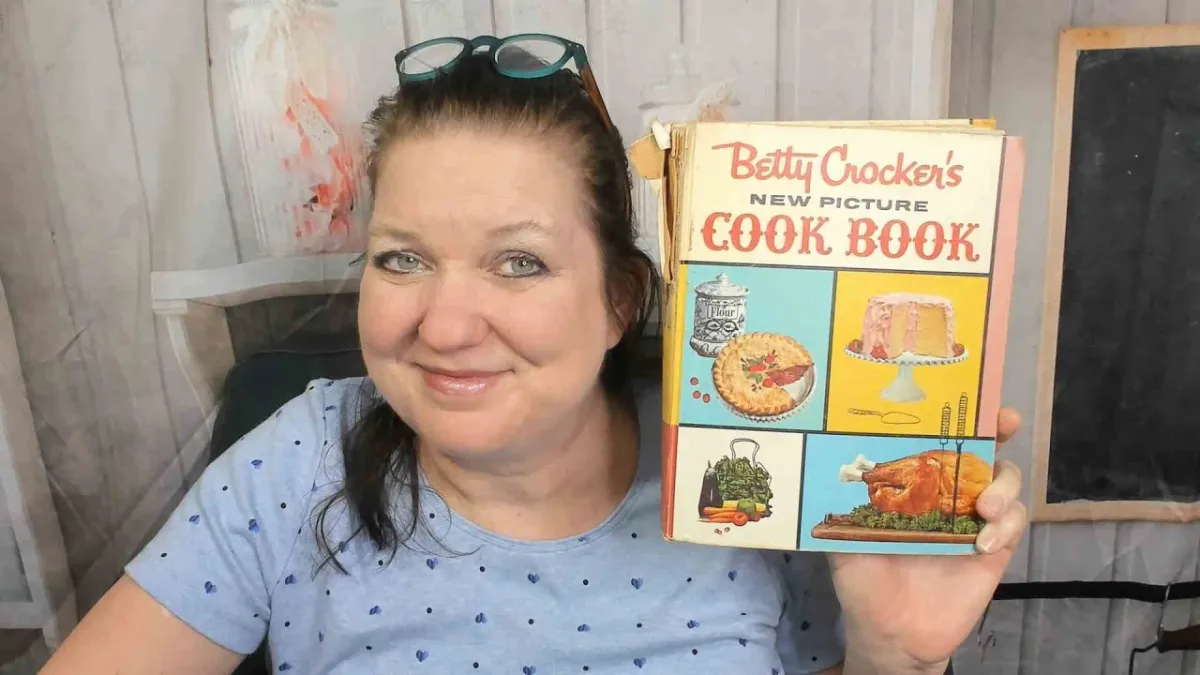 Photo: Betty Crocker Cookbook, via i.ytimg.com
Whatever the title, this wasn't just a cookbook — it was the cookbook. The one book that taught three generations of Americans how to cook, how to feed their families, and what "good food" was supposed to taste like.
These weren't decorative coffee table books or aspirational lifestyle guides. They were working documents, battle-scarred veterans of countless dinners, holiday meals, and midnight baking sessions. Their pages told stories through stains: spaghetti sauce splattered on page 127, chocolate fingerprints marking the brownie recipe, grease spots that mapped out years of Sunday fried chicken.
When Cooking Had Rules
These cookbook matriarchs didn't just provide recipes — they established the fundamental rules of American home cooking. They taught proper techniques with the authority of scripture. Cream butter and sugar for exactly three minutes. Fold, don't stir, when adding flour to cake batter. Always preheat your oven.
The recipes themselves reflected a different relationship with food. Ingredients lists were shorter, simpler, and built around what you could find at any grocery store in America. "Cream of mushroom soup" appeared in dozens of casserole recipes not because it was gourmet, but because every store carried it and every family recognized it.
These books created a shared culinary vocabulary across the entire country. A "tuna casserole" meant essentially the same thing whether you made it in Maine or Montana. "Pot roast" followed similar principles from coast to coast. Regional variations existed, but they were variations on commonly understood themes.
The Democracy of Simple Ingredients
Flip through a 1960s Betty Crocker Cookbook, and you'll notice something remarkable: most recipes call for ingredients that any American household would have on hand. Flour, eggs, butter, milk, sugar, salt. The exotic additions — vanilla extract, baking powder, maybe some herbs — were standard pantry items that lasted for months.
This wasn't limitation; it was liberation. Home cooks didn't need to hunt down specialty ingredients or decode unfamiliar cooking terms. They could open their trusted cookbook, pick a recipe, and know with confidence that they had everything needed to make dinner.
The books also taught resourcefulness in ways that modern cooking rarely addresses. Leftover chapters showed how to transform Sunday's roast chicken into Monday's chicken salad and Tuesday's chicken soup. Substitution charts helped cooks adapt recipes based on what they actually had in their pantries.
The Ritual of Recipe Cards
Inside these cookbooks, tucked between pages like pressed flowers, lived handwritten recipe cards — the most treasured inheritance many families passed down. Grandma's sugar cookie recipe, written in careful cursive on a yellowed index card. Mom's "improved" version of the cookbook's meatloaf, with notes scribbled in the margins.
These personal additions created family traditions within the larger national tradition. The cookbook provided the foundation, but each family's collection of loose papers, torn-out magazine clippings, and handwritten modifications made it uniquely theirs.
Children learned to cook by watching their mothers navigate these familiar pages, following along as experienced hands found well-worn recipes without consulting the index. The physical act of cooking became inseparable from the physical act of using the book — flour-dusted fingers holding pages open, the cookbook propped against canisters or balanced on pot handles.
When Failure Had Consequences
Cooking from these books required real skill and attention in ways that modern cooking often doesn't. Without precise temperature controls, digital timers, or detailed video tutorials, success depended on developing actual cooking intuition.
You learned to recognize when cake batter looked "right" — not too thick, not too thin, but that perfect consistency described in the book as "smooth and creamy." You developed a sense of timing that went beyond following directions, understanding how your particular oven ran hot or cold, how your altitude affected baking times, how humidity changed the way dough behaved.
Mistakes mattered because ingredients cost money and time was precious. A failed dinner meant scrambling to create something else from whatever remained in the pantry. These stakes created careful, thoughtful cooks who understood their ingredients and respected their tools.
The Fragmentation of American Cooking
Today's food landscape offers infinite choices and constant innovation, but it's lost the unifying force of those shared cookbook experiences. Modern home cooks might get tonight's recipe from a food blog, tomorrow's from a cooking app, and the weekend's from a YouTube channel.
This abundance creates exciting possibilities but eliminates the common foundation that those old cookbooks provided. Families no longer cook from the same basic repertoire. Children grow up without learning a core set of techniques that their parents and grandparents all mastered.
The algorithm-driven recipe recommendations that dominate modern cooking create personalized food bubbles rather than shared culinary experiences. Your Pinterest feed serves up different dinner ideas than your neighbor's, based on your previous clicks and demographic data rather than any common cultural foundation.
The Lost Language of Cooking
Those authoritative cookbooks taught Americans a common language for discussing food. Everyone knew what "cream butter and sugar until light and fluffy" meant because they'd all learned from books that used identical phrasing. Cooking terms had consistent definitions across households and regions.
Modern recipe sources use wildly different terminology and assume varying levels of cooking knowledge. One food blogger's "quick sauté" might mean something completely different from another's. Without shared reference points, cooking conversations become harder to navigate.
The old cookbooks also established realistic expectations for home cooking. They assumed that weeknight dinners should be simple, that not every meal needed to be Instagram-worthy, and that "good enough" was often good enough. Modern food culture, with its emphasis on perfection and presentation, has made ordinary home cooking feel inadequate by comparison.
The Wisdom of Limitations
Those single, trusted cookbooks forced families to master a smaller repertoire of recipes rather than constantly chasing culinary novelty. This repetition built real competence. Home cooks became experts at their family's rotation of fifteen or twenty reliable dinners, understanding exactly how each dish should look, smell, and taste.
The limitations also created anticipation and seasonality that's largely disappeared from modern eating. Certain recipes appeared only for holidays or special occasions. Summer meant specific dishes that took advantage of fresh produce. Winter brought different flavors and cooking methods.
Without the endless scroll of new recipe options, families developed deeper relationships with their food. Children grew up anticipating Mom's Thursday night meatloaf or Grandma's Christmas cookies, creating emotional connections to specific dishes that lasted for decades.
What We Cooked Together
Those dog-eared cookbooks created a shared American food culture that transcended regional and economic differences. Rich families and poor families might use different cuts of meat, but they followed similar principles for pot roast. Urban and rural cooks adapted the same basic cake recipes to their available ingredients and equipment.
This common foundation made potluck dinners and community gatherings work in ways they struggle to today. Everyone understood the basic categories of American home cooking and could contribute something that fit within accepted norms.
The cookbooks also preserved and transmitted cooking knowledge in ways that purely digital resources can't quite replicate. The physical books aged alongside their families, accumulating not just stains and torn pages but also the accumulated wisdom of successful meals and learned adaptations.
In our current era of infinite food options and constant culinary innovation, we've gained tremendous variety and creativity. But we've lost something valuable too: the shared experience of learning to cook from the same trusted source, building the same foundational skills, and creating the same comforting flavors that connected us across all the differences that might otherwise divide us.