When Your Hardware Guy Could Fix What You Couldn't Even Describe

The Oracle Behind the Counter
Walk into Kowalski's Hardware on any Tuesday morning in 1975, and you'd find Stan wiping down the counter, ready to solve problems you couldn't even articulate. "My kitchen faucet makes this weird sound," you'd say, and somehow Stan knew exactly which washer you needed from aisle three. No product codes, no online reviews, no scanning barcodes with your phone—just a man who'd spent thirty years learning that a particular squeak meant a specific fix.
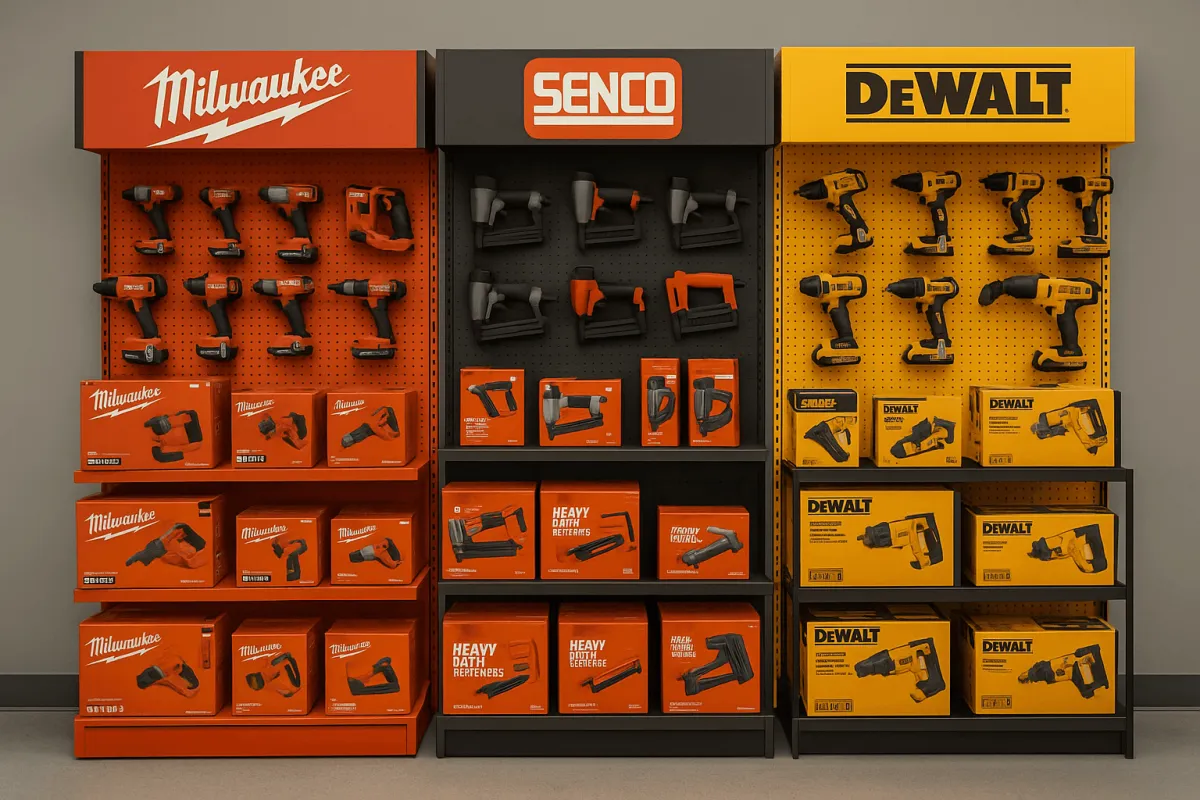 Photo: Kowalski's Hardware, via framerusercontent.com
Stan wasn't unusual. Across America, tens of thousands of hardware store owners served as the neighborhood's unofficial engineering consultants. They knew which brand of paint primer worked best on your town's humid summers. They remembered that Mrs. Peterson's 1950s plumbing needed a particular type of fitting that nobody made anymore—except for one supplier in Ohio that Stan still called every few months.
When Knowledge Had a Face
These weren't just retail transactions. They were consultations. You'd describe your wobbly kitchen table, and the hardware store owner would ask three diagnostic questions that revealed he understood furniture repair better than most carpenters. He'd sell you a $0.50 bracket and spend ten minutes explaining exactly how to install it, because his reputation rode on your success.
The economics made sense in ways that seem almost quaint now. A hardware store owner's livelihood depended on customers returning, which meant every sale had to work. If you bought the wrong bolt and stripped your deck railing, you'd be back—not angry, but needing a solution. And he'd provide it, often for free, because that's how small-town business worked.
The Death of Local Expertise
Today, we've traded Stan for algorithms. Home Depot's website can tell you the technical specifications of 47 different screws, complete with customer reviews and installation videos. But it can't tell you that the screws you're looking at won't work with the weird subflooring they used in your neighborhood's houses during the 1960s construction boom.
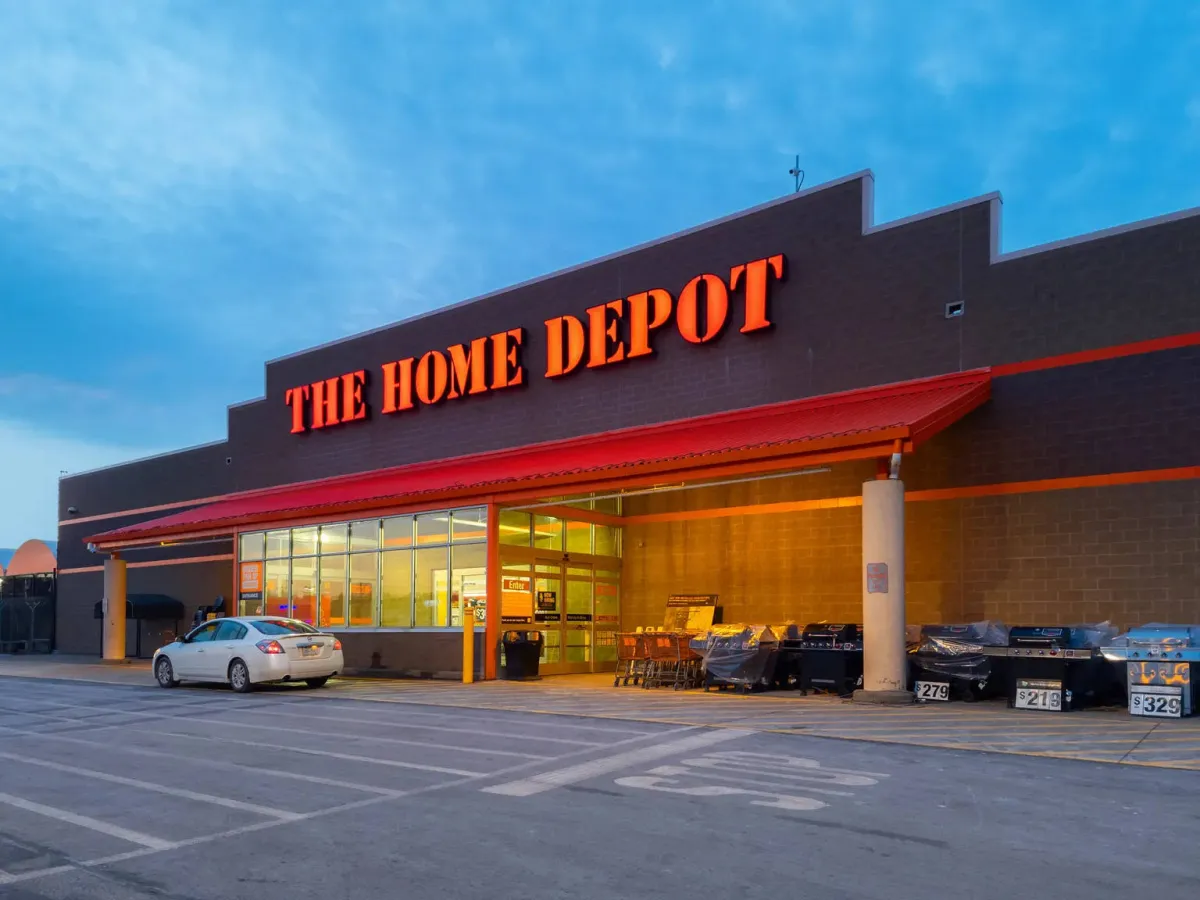 Photo: Home Depot, via wallpapers.com
The big-box revolution promised selection and savings, and it delivered both. You can buy a circular saw at 10 PM on a Sunday, something that would have been impossible in Stan's era. But somewhere in that exchange, we lost something harder to quantify: institutional memory. The new guy at Home Depot knows how to work the register and where to find the toilet paper. Stan knew that your house's electrical system was probably installed by Murphy Electric in 1963, and Murphy always cut corners on the basement wiring.
 Photo: Murphy Electric, via static.wixstatic.com
When Your Word Was Your Warranty
Perhaps the most remarkable thing about the old hardware store culture was how business got done. If Stan sold you a tool that broke after two weeks of normal use, you'd bring it back. No receipt required, no 15-minute customer service phone tree, no restocking fees. Stan would look at the tool, look at you, and grab a replacement from the shelf.
"That shouldn't have happened," he'd say, and mean it. Because in a town of 8,000 people, your reputation was your business model. Word traveled fast when someone sold junk or refused to stand behind their products. The accountability was immediate and personal.
What We Gained and Lost
Modern retail has brought us undeniable conveniences. You can compare prices instantly, read reviews from people who've actually used the products, and order specialized items that no small-town hardware store could afford to stock. YouTube has democratized repair knowledge in ways Stan could never have imagined.
But we've also lost something essential: the confidence that comes from trusted guidance. Stan's recommendations came with an implicit warranty that extended far beyond the manufacturer's terms. He'd sold you products before. He knew what worked in your specific situation, with your particular skills, in your climate.
The Ripple Effects
The disappearance of neighborhood hardware expertise changed more than just shopping—it changed how Americans relate to their homes. When you knew Stan would help you figure out any repair problem, you were more likely to attempt fixes yourself. Today, facing the vast anonymity of big-box retail and contradictory online advice, many homeowners simply call professionals for jobs they might have tackled themselves in 1975.
We've become more cautious, more dependent on specialists, less confident in our ability to maintain the places we live. The hardware store wasn't just selling supplies—it was selling empowerment, one conversation at a time.
The End of an Era
Stan's Hardware closed in 1987, a victim of the same economic forces that shuttered thousands of similar stores across America. The building became a cell phone store, then a tax preparation office, then stood empty. Progress had arrived, bringing lower prices and wider selection.
But on Saturday mornings, when your garage door starts making that weird noise and you're scrolling through contradictory repair videos on your phone, you might find yourself missing something you never experienced: the simple confidence of asking someone who actually knew the answer.