When Your Gas Tank Came with a Side of Friendship — The Lost World of Full-Service America
The Ritual That Built Relationships
Pull into any gas station today, and you'll encounter a familiar routine: swipe your card, pump your gas, maybe grab a energy drink, and drive away without speaking to another human being. The entire transaction can happen in under five minutes, often without any human interaction at all.
But rewind to 1960, and that same simple act of getting gas was an entirely different experience. You'd pull up to the pump and immediately hear the distinctive ding-ding of the service bell announcing your arrival. Within seconds, an attendant in a crisp uniform would appear at your window with a genuine smile and a question that seems almost quaint today: "Fill 'er up?"
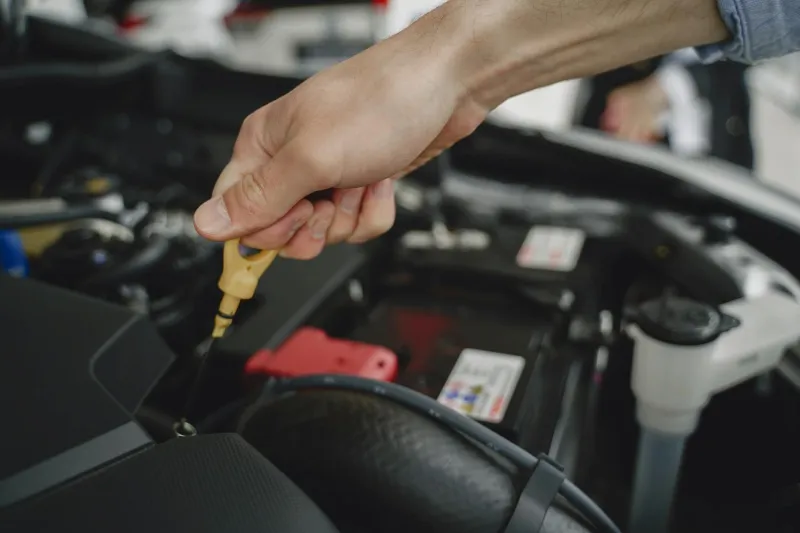
What happened next was nothing short of automotive pampering. While your tank filled, the attendant would lift your hood to check the oil, test your battery, examine your belts and hoses, and clean every inch of your windshield until it sparkled. They'd check your tire pressure, top off your radiator, and even empty your ashtrays. This wasn't an upsell — it was simply what came with a tank of gas.
More Than Service — It Was Community
The magic of full-service stations wasn't just in the service itself, but in the relationships they fostered. Your regular attendant knew your car's quirks better than you did. They remembered that your '57 Chevy burned a quart of oil every thousand miles, that your wife preferred the windshield cleaned with newspaper instead of paper towels, and that your teenage son was saving up for his first car.
These weren't just transaction points — they were information hubs where locals gathered to discuss everything from crop prices to high school football scores. The station owner often served as an unofficial town mayor, settling disputes, organizing community events, and keeping tabs on who needed help during tough times.
In small towns across America, the local Texaco or Shell station was as much a social institution as the post office or barbershop. Farmers would stop by not just for gas, but to catch up on weather reports, share farming tips, and coordinate community barn raisings. The station's bulletin board was often the town's primary communication center, covered with handwritten notices about lost dogs, church suppers, and items for sale.
The Economics of Care
Full-service wasn't just about hospitality — it made economic sense. Gas stations in the 1950s and 60s operated on thin fuel margins, just like today. But unlike today's convenience store model, they made their real money on service. Oil changes, tire rotations, brake jobs, and tune-ups kept the lights on and the attendants employed.
This created a virtuous cycle: better service meant more loyal customers, which meant more opportunities for profitable maintenance work, which funded even better service. Station owners invested in training their employees not just to pump gas, but to diagnose problems, recommend solutions, and build trust with customers who might not know a carburetor from a catalytic converter.
The typical full-service attendant was part salesman, part mechanic, and part neighbor. They wore uniforms with their names embroidered on the pocket, took pride in their work, and often stayed with the same station for decades. Many saved enough money to eventually buy their own stations, creating a pathway to middle-class prosperity that has largely disappeared.
When Everything Changed
The transformation began in the 1970s, accelerated by the oil crises that made every penny per gallon crucial. Self-service stations, which had existed since the 1940s but remained niche, suddenly offered compelling savings — typically 3-5 cents per gallon less than full-service.
What started as a cost-cutting measure during tough economic times gradually became the norm. By the 1980s, most Americans had grown comfortable pumping their own gas, and station owners discovered they could dramatically reduce labor costs by eliminating attendants. The convenience store model emerged, focusing on high-margin snacks and beverages rather than automotive services.
Today, only New Jersey and Oregon still mandate full-service gas stations, preserving a small window into what the rest of America has lost. Visitors from other states often express surprise at having someone else handle their fuel, a reminder of how completely we've accepted self-service as normal.
What We Traded Away
The shift to self-service wasn't just about labor costs — it represented a fundamental change in how Americans relate to their cars and their communities. We gained speed and saved money, but we lost something harder to quantify: the human connections that made routine errands into social experiences.
Modern gas stations are designed for efficiency, not community. They're brightly lit, security-camera monitored spaces where interaction is discouraged and lingering feels awkward. The attendant who once knew your name has been replaced by a cashier behind bulletproof glass who might not speak your language.
We've also lost automotive knowledge. When someone else checked your oil weekly, car maintenance was a shared responsibility. Now, many drivers go months or years without looking under their hood, leading to expensive breakdowns that the old full-service model would have prevented.
The Road Not Taken
Some premium gas stations are experimenting with bringing back full-service elements, but they're marketed as luxury experiences rather than community institutions. A few independent stations in rural areas still offer the old-style service, but they're increasingly rare.
What we've gained in efficiency and cost savings, we've lost in human connection and automotive care. The question isn't whether we should return to full-service stations — that ship has sailed. But perhaps we can remember what made them special: the idea that even the most routine transactions could be opportunities for genuine human interaction and community building.
In our rush toward efficiency, we've transformed one of America's most common errands from a social ritual into a solitary task. The next time you're standing alone at a gas pump, credit card in hand, you might wonder what it would have been like when filling up meant filling your social tank too.