The Craftsman Who Could Fix Anything — When America's Repair Culture Kept Everything Running
The Craftsman Who Could Fix Anything — When America's Repair Culture Kept Everything Running
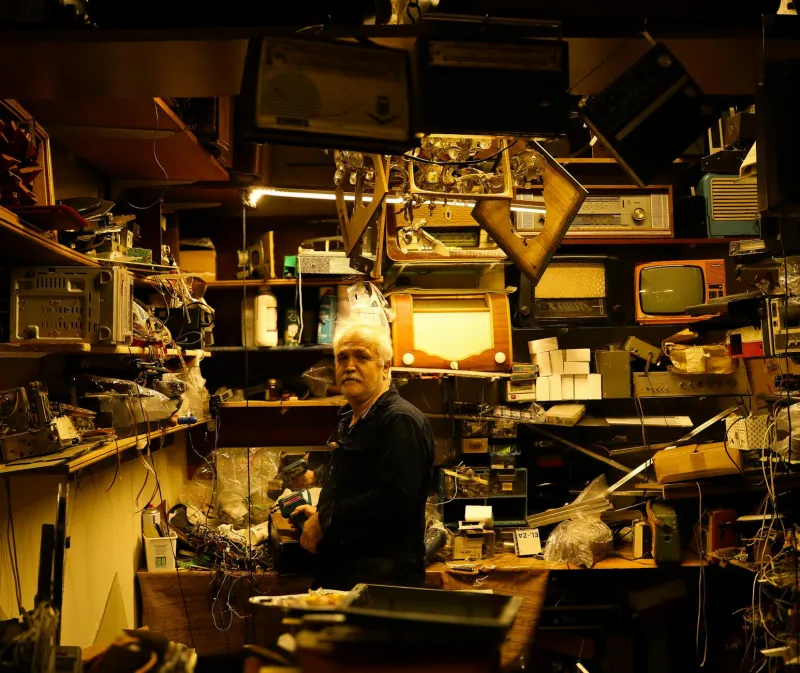
In the basement workshop of every American neighborhood, magic happened daily. Not the sleight-of-hand kind, but the real magic of bringing dead appliances back to life, coaxing another decade from worn-out shoes, and making radios sing again. These neighborhood repair wizards — the TV repairman, the cobbler, the small appliance doctor — formed the backbone of an America that believed in fixing rather than replacing.
The Golden Age of the Fix-It Man
Every block had its repair specialists, and every family had their phone numbers memorized. When your Philco television started displaying snow instead of "The Ed Sullivan Show," you called Mr. Peterson down on Elm Street. When your mother's prized Mixmaster started making grinding noises, it went to Tony's Small Appliance Repair on Main Street. And when your Sunday shoes developed a hole, the Italian cobbler on Fifth Avenue would have them resoled and returned within a week.
 Photo: Fifth Avenue, via wallpapercave.com
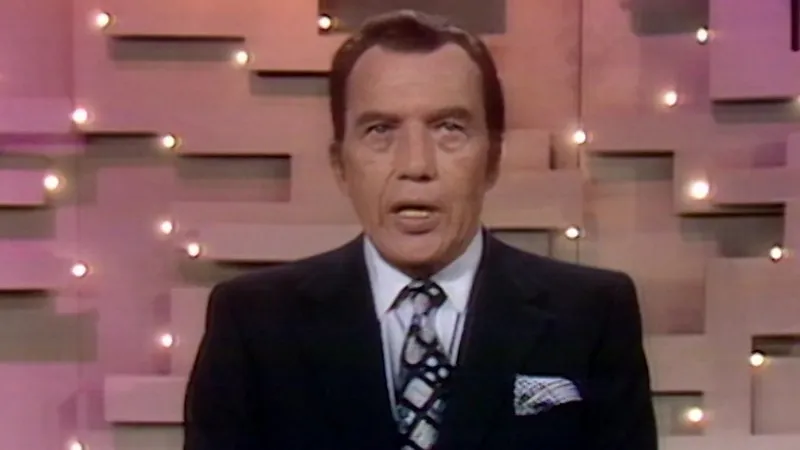 Photo: The Ed Sullivan Show, via images.mubicdn.net
These weren't just service providers — they were neighborhood institutions. The TV repairman arrived with a toolbox that seemed to contain solutions to every electronic ailment. He'd diagnose problems by sound alone, replace tubes with the precision of a surgeon, and often fix issues the manufacturer claimed were irreparable. His van, loaded with mysterious equipment and spare parts, was a mobile hospital for America's growing collection of electrical conveniences.
Repair shops dotted every commercial district. Shoe repair stores occupied corner spaces in downtown areas, their windows displaying freshly resoled boots and handbags brought back from the brink. Radio repair shops hummed with the sound of testing equipment and the satisfaction of another Motorola restored to perfect reception.
The Economics of Making Things Last
In the 1950s and 1960s, repair made perfect economic sense. A new television cost the equivalent of several thousand dollars in today's money — roughly six weeks' wages for an average worker. When that substantial investment started acting up, repair was the obvious choice. Manufacturers designed products with serviceability in mind, providing detailed service manuals and maintaining parts inventories for decades.
Appliances came with real warranties backed by local authorized repair networks. Your Westinghouse refrigerator wasn't just guaranteed to work — it was guaranteed to be fixable when it didn't. Service calls were scheduled events, and repair technicians arrived with diagnostic skills honed through years of apprenticeship.
The repair economy supported thousands of skilled craftsmen who learned their trades through formal apprenticeships or military training. These men (and they were almost exclusively men) could diagnose problems by listening to unusual sounds, identify failing components by smell, and perform repairs that extended product life by decades.
The Culture of Preservation
Beyond economics, repair culture reflected deeper American values about waste and resourcefulness. Throwing away something that could be fixed felt morally wrong to Depression-era parents who raised baby boom children. "Use it up, wear it out, make it do, or do without" wasn't just a wartime slogan — it was a way of life that extended well into the prosperous post-war decades.
Families took pride in keeping possessions alive far beyond their intended lifespans. A refrigerator that lasted thirty years became a testament to smart shopping and proper maintenance. Shoes resoled multiple times were badges of thrift and practicality. The family car that reached 100,000 miles through careful maintenance and strategic repairs earned genuine respect.
This culture created intimate relationships between people and their possessions. You knew your appliances' quirks, understood their personalities, and developed the touch needed to coax optimal performance from aging machinery. The washing machine that required a specific jiggle to start properly wasn't broken — it was just getting older, like everything else.
The Disposable Revolution
Sometime in the 1980s and 1990s, the mathematics of repair shifted dramatically. Manufacturing costs plummeted while labor costs soared. Suddenly, paying someone $75 to fix a $89 microwave made no sense. Global supply chains delivered replacement goods at prices that made repair feel foolish rather than virtuous.
Manufacturers embraced planned obsolescence with increasing boldness. Products were designed to fail after predetermined periods, with replacement parts discontinued and service manuals classified as proprietary information. The friendly neighborhood repair shop couldn't fix your new DVD player because the manufacturer wouldn't sell replacement parts to independent technicians.
Consumer psychology shifted along with economics. Marketing convinced Americans that last year's model was somehow inadequate, that technological advancement made repair backward-looking. Why fix your old television when the new model offered better picture quality, more channels, and enhanced features?
The Environmental and Cultural Cost
The death of repair culture created consequences that extend far beyond individual purchasing decisions. Electronic waste streams exploded as Americans discarded billions of devices that previous generations would have repaired. Landfills filled with appliances that stopped working due to minor component failures that once would have been routine service calls.
We also lost the satisfaction and knowledge that came with maintaining our possessions. Previous generations understood how their appliances worked, could perform basic maintenance, and developed relationships with skilled craftsmen who kept their households running. Today's consumers often can't replace a smartphone battery or diagnose why their washing machine won't drain.
The Repair Renaissance
Interestingly, repair culture is experiencing a modest revival. Maker spaces offer workshops on electronics repair and vintage restoration. YouTube channels teach appliance diagnosis to millions of viewers. "Right to repair" movements challenge manufacturers' control over service information and replacement parts.
Some entrepreneurs are rediscovering the repair business model. Independent smartphone repair shops occupy the economic niche once filled by television repair stores. Vintage appliance restoration serves customers who appreciate the quality and aesthetics of older equipment.
Lessons from the Fix-It Era
The era when America fixed everything offers lessons beyond nostalgia. Those neighborhood repair specialists provided more than service — they offered expertise, craftsmanship, and the satisfaction of making things last. They supported local economies, reduced waste, and maintained the connection between people and their possessions.
While we can't return to an economy where repair always makes financial sense, we might rediscover some of the values that made it feel worthwhile. In a world drowning in discarded electronics and planned obsolescence, perhaps there's wisdom in remembering when America's first instinct was to fix rather than replace, and when every neighborhood had its craftsmen who could make anything work again.