Before Pinterest, There Was Aunt Helen's Shoebox
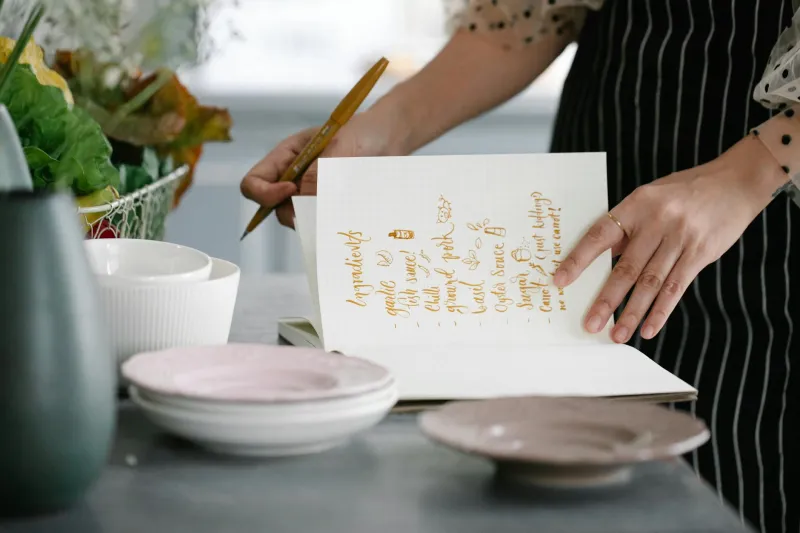
The Recipe Box That Told a Life Story
Open any American kitchen drawer from 1960, and you'd likely find a small wooden box stuffed with index cards, newspaper clippings, and scraps of paper covered in handwriting. These weren't just recipes — they were archaeological records of a family's eating history, complete with coffee stains, marginal notes, and the kind of imprecision that would drive today's food bloggers crazy.
"Add flour until it looks right" wasn't a recipe failure. It was an invitation into a world where cooking was learned through watching, tasting, and developing an intuitive understanding that couldn't be googled.
When Recipes Had Personality
Every handwritten recipe card told a story beyond the ingredients. Aunt Margaret's chocolate cake recipe might include a note: "Don't make this when it's humid — learned the hard way at Tommy's graduation." Grandma's chicken and dumplings came with the warning: "Papa likes extra pepper," written in faded blue ink.
These personal annotations made each recipe unique to its family. The same basic chocolate chip cookie recipe might exist in dozens of variations across a neighborhood, each adapted to local tastes, available ingredients, or family dietary restrictions. No two families made anything exactly the same way.
The Telephone Chain of Culinary Knowledge
Before food networks and cooking shows, recipes spread through America's social networks the old-fashioned way: phone calls between friends, conversations over coffee, and requests scribbled on napkins after particularly good dinner parties.
"Can I get your recipe for that casserole?" was a common request that honored both the cook and the dish. Sharing a recipe meant sharing a piece of yourself — your family traditions, your cooking secrets, your trust that someone else would treat your grandmother's legacy with respect.
The Art of Approximation
Pre-digital recipes embraced a beautiful imprecision that modern cooking culture has largely abandoned. "A pinch of this," "cook until golden," "season to taste" — these weren't vague instructions but acknowledgments that good cooking required judgment, not just measurement.
Experienced cooks developed an intuitive understanding of their ingredients. They knew how their oven ran hot, how their local flour behaved, how altitude affected their baking. These variables couldn't be standardized across millions of users the way today's recipes attempt to do.
When Cooking Was Seasonal and Local
Recipe collections reflected the rhythm of American seasons in ways that seem almost foreign now. Summer meant tomato recipes, fall brought apple variations, winter featured hearty stews made from preserved ingredients. Families developed entirely different cooking patterns based on what was available when.
Local ingredients shaped regional recipe variations in ways that mass-produced food culture has largely erased. A Southern cook's cornbread recipe differed fundamentally from a Northern version, not just in ingredients but in technique, serving style, and cultural meaning.
The Social Media of the Kitchen Table
Recipe exchanges created their own social networks, long before Facebook made the concept digital. Church cookbooks, community fundraiser recipe collections, and neighborhood potluck traditions all served as platforms for sharing culinary knowledge.
These physical collections became treasured family documents. A well-worn community cookbook from the local PTA or church auxiliary represented not just recipes but social history — who contributed what, which dishes became legendary, which families were known for which specialties.
What We Gained and Lost in Translation
Today's food culture offers unprecedented access to global cuisines, professional techniques, and perfectly photographed results. Every recipe comes with detailed instructions, precise measurements, and step-by-step photos designed to eliminate guesswork.
But something essential was lost in translation. Modern recipes assume no prior knowledge, no family context, no understanding of why certain combinations work. They're designed for efficiency and replication rather than learning and adaptation.
The Death of Kitchen Intuition
When recipes became content optimized for search engines and social media sharing, they lost their human scale. Today's food bloggers write for millions of potential readers, not for their neighbor who specifically asked about the secret to their pie crust.
The result is recipes that work for everyone and belong to no one. They're tested, standardized, and photographed to perfection, but they lack the quirky personal touches that made Grandma's version special.
The Memory We Used to Cook From
Perhaps most significantly, we've lost the expectation that people should develop their own cooking intuition. Earlier generations learned to cook by doing, failing, adjusting, and eventually developing their own style. Recipes were starting points, not rigid formulas.
Today's home cooks often feel paralyzed without exact instructions. The idea of "cooking by feel" seems risky when perfect results are just a Google search away.
What Those Handwritten Cards Really Preserved
Those recipe boxes weren't just cooking instructions — they were family archives. They preserved not just how to make Aunt Helen's famous potato salad, but the memory of Aunt Helen herself, the family gatherings where that potato salad appeared, and the understanding that food carries love across generations.
In our digital age, recipes live in the cloud rather than in kitchen drawers. They're searchable, shareable, and always accessible. But they're also temporary, impersonal, and easily forgotten. When was the last time you saved a recipe that felt worth passing down to your grandchildren?