Before Your Doorbell Knew Your Name — When America's Neighborhoods Ran on Daily Deliveries
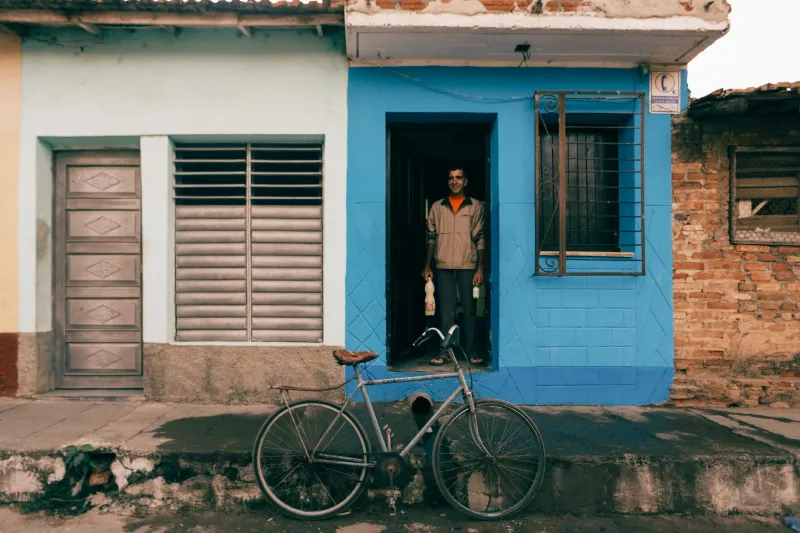
Before Your Doorbell Knew Your Name — When America's Neighborhoods Ran on Daily Deliveries
Every morning at 6 AM, Mrs. Henderson would hear the familiar clink of glass bottles on her Chicago front porch. By the time she made it to the kitchen, fresh milk would be waiting in her insulated box, still cold from the predawn delivery route. The milkman knew she preferred whole milk on Tuesdays and Thursdays, skim milk for the rest of the week, and an extra pint of cream every Saturday for her famous pound cake.
This wasn't luxury service — it was Tuesday in 1952.
Before we celebrated the "revolution" of same-day delivery and subscription boxes, American neighborhoods operated on an intricate web of daily deliveries that would make today's logistics companies envious. The milkman was just one player in a rotating cast of tradespeople who knew your family's habits, preferences, and schedules better than most relatives.
The Original Gig Economy
While we debate the merits of gig work today, America's neighborhoods once thrived on independent contractors who built entire businesses around door-to-door service. The iceman arrived three times a week with 25-pound blocks of ice, using metal tongs to haul them into kitchen iceboxes. He knew exactly how much ice each family needed based on their household size and the season.
The bread man showed up every other day with warm loaves from the local bakery, often taking special orders for dinner rolls or birthday cakes. In coal-heated homes, the coal man made regular deliveries, backing his truck up to basement chutes and knowing precisely how many tons each family burned through a typical winter.
Even waste had its specialists. The ragpicker collected old clothes, newspapers, and metal scraps, paying families small amounts for materials that would be recycled or repurposed. Nothing went to waste in this circular economy that predated environmental consciousness by decades.
More Than Convenience — It Was Community
These delivery routes created something Amazon's algorithms can't replicate: genuine relationships. The milkman knew when families were struggling financially and might quietly extend credit. The iceman would check on elderly customers during heat waves. Delivery people became informal neighborhood watchmen, noticing when newspapers piled up or when something seemed off.
Children grew up knowing these faces as extended family. Many delivery people had worked the same routes for decades, watching kids grow up and eventually starting their own households. They carried news between neighbors, helped during emergencies, and created a social fabric that held communities together.
Payment happened on trust. Most families kept running tabs, settling accounts weekly or monthly. The milkman might leave a bill tucked under the empty bottles, and payment would appear the next day. No credit checks, no digital transactions — just handshake agreements that somehow worked for generations.
Why It All Disappeared
The death of America's delivery culture wasn't sudden — it was a slow strangulation by convenience and technology. Home refrigeration became affordable in the 1950s, eliminating the daily need for fresh milk and ice. Suburban sprawl made dense delivery routes less profitable as families spread out into car-dependent neighborhoods.
Supermarkets promised one-stop shopping and lower prices through volume purchasing. Why wait for the bread man when you could buy a week's worth of groceries in one trip? The automobile gave families mobility and independence, breaking their reliance on neighborhood services.
By the 1970s, most of these delivery routes had vanished. The milkman became a nostalgic symbol of simpler times, the iceman a relic of the pre-refrigeration era. America had traded personal service for efficiency and convenience.
The Circle Back to Doorstep Service
Today's delivery boom feels revolutionary because we've forgotten what came before. When Amazon promises same-day delivery or DoorDash brings dinner to our door, we celebrate technological innovation. But we're essentially recreating a service model that worked perfectly well when our grandparents were young.
The difference is scale and anonymity. Modern delivery operates through apps and algorithms rather than personal relationships. Your DoorDash driver changes every order, your Amazon packages arrive from anonymous warehouses, and your grocery shopper is a stranger following a digital list.
We've gained speed and selection but lost the human connections that made the old system more than just commerce. The milkman knew your family's story. Your Amazon delivery driver knows your address.
What We Lost in Translation
The original delivery economy created jobs that supported middle-class families. These weren't temporary gigs — they were careers with established routes, steady customers, and predictable income. Many delivery people eventually bought their routes from retiring predecessors, creating small business opportunities that lasted generations.
Modern delivery work offers flexibility but rarely provides the stability or community connections of the old system. We've optimized for efficiency while sacrificing the relationships that made commerce feel human.
Looking Forward, Remembering Back
As we marvel at our on-demand economy, it's worth remembering that doorstep delivery isn't new — it's a return to form. The milkman, the iceman, and the ragpicker understood something we're still trying to figure out: convenience works best when it's built on trust, consistency, and genuine human connection.
The next time a package appears on your doorstep or dinner arrives at your door, remember that you're not experiencing the future of commerce — you're participating in one of America's oldest traditions, updated for the digital age but fundamentally unchanged in its promise to bring the world to your door.